

HVAC Mold Remediation in North Carolina
If mold is growing in or around the system that moves air through your home, it needs more than a quick wipe-down or duct-cleaning coupon.
Mold Patrol provides HVAC mold remediation for homeowners, property managers, and commercial clients across Burlington, Greensboro, and nearby North Carolina communities. We help identify whether mold, moisture, air movement, or contamination around the HVAC system may be affecting the indoor environment.
5-Star Rated • Certified Mold Specialists • Burlington & Greensboro

Maybe you see growth near a vent.
Maybe the air smells musty when the system kicks on.
Maybe you’re worried about what’s being pushed through the house.
Call 0123456789 to schedule an HVAC mold assessment.

When Mold May Be Moving With the Air
HVAC mold concerns feel different from mold in one corner of a room. When the system that heats, cools, and circulates air may be involved, it’s natural to wonder what’s being carried from one space to another.
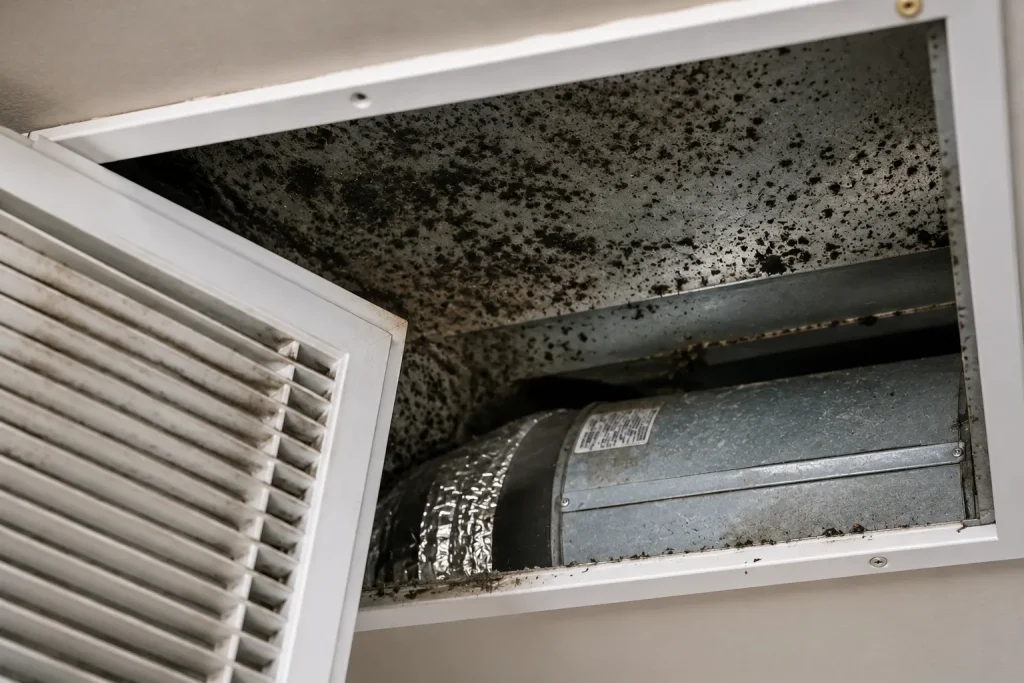
You might notice a musty smell when the AC or heat turns on. You might see dark spots around supply vents, returns, air handlers, or ductwork. You might clean the same area repeatedly, only for the growth to return.
Sometimes the HVAC system is the source. Sometimes it’s simply moving air from another problem area, such as a crawl space, basement, attic, or moisture-damaged room.
Either way, guessing isn’t the answer. Mold Patrol looks at the system, the surrounding materials, and the moisture conditions so you can understand what’s actually happening.
Signs of Mold in an HVAC System
Mold in an HVAC system isn’t always obvious. Some signs are visible. Others show up as odors, recurring growth, or indoor air quality concerns.
You may need an HVAC mold inspection if you notice:
- A musty odor when the AC or heat runs
- Dark spots around vents, registers, or returns
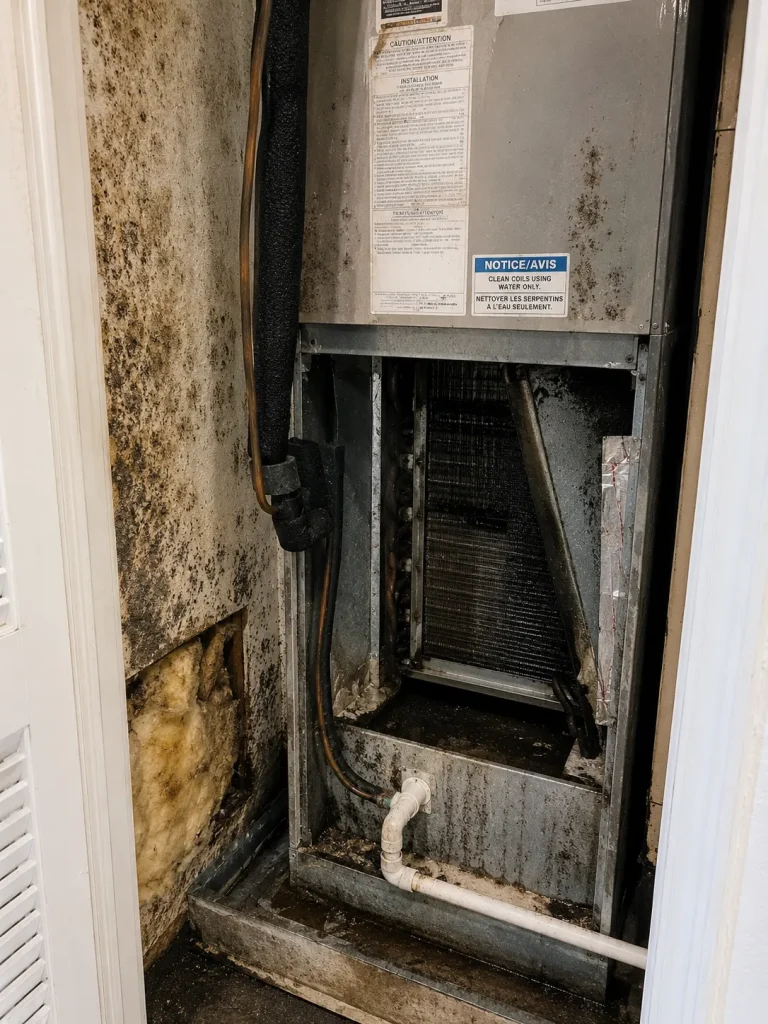
- Visible growth near an air handler, coils, or HVAC closet
- Condensation around ducts, vents, or equipment
- Mold returning after cleaning around vents
- Water damage near the HVAC system
- Dusty, stale, or irritating air when the system runs
- Odors that seem to travel room to room
- Crawl space or basement smells entering the home
- Mold concerns after leaks, humidity issues, or previous water damage
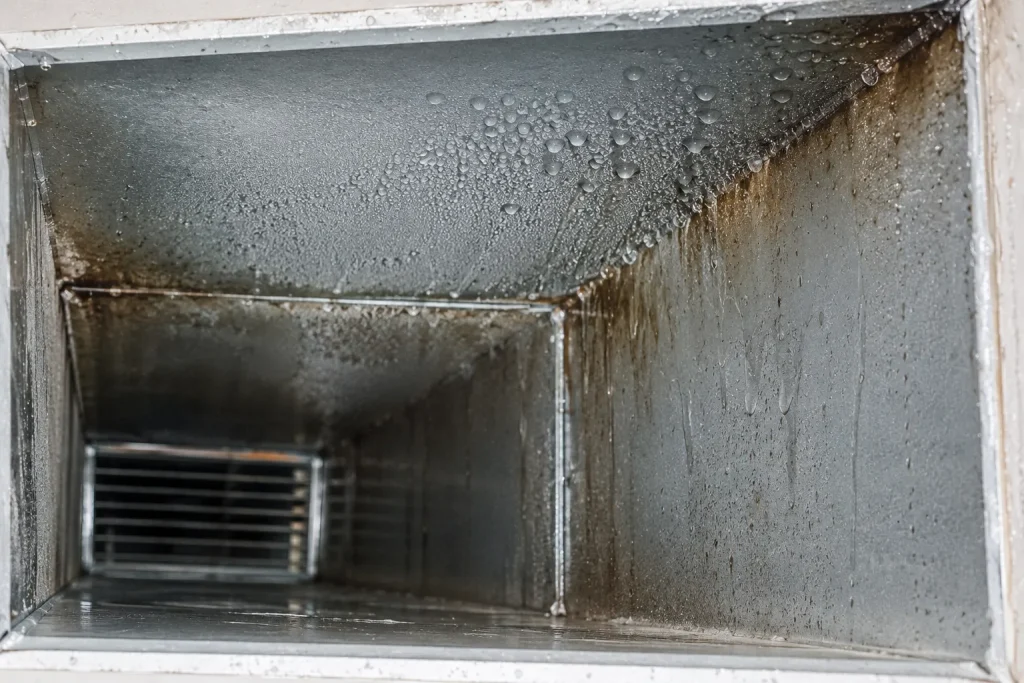

These signs don’t always mean the ductwork itself is contaminated. Mold may be on nearby drywall, insulation, framing, vents, coils, or other affected materials. The important thing is finding out where the problem is and what’s feeding it.
That starts with a careful inspection.
Why HVAC Mold Is Different
HVAC-related mold needs to be handled carefully because the system moves air through the property.
If contaminated areas are disturbed without proper controls, spores and fine particles can spread farther than they needed to. Moisture is usually part of the story. Condensation, clogged drain lines, poorly insulated ducts, humidity, crawl space moisture, or leaks near the system can all create conditions where mold can grow.
Dust and organic buildup can also matter. Mold needs moisture, but it also needs a surface or material to grow on. Inside and around HVAC components, that can include dust, insulation, drywall, wood, and other materials near the system.
This is why duct cleaning alone may not solve the problem. If the source is moisture, damaged materials, or mold around the air handler, cleaning the ducts may only address one piece of the puzzle.

HVAC mold remediation isn’t just about making the vents look better. It’s about understanding the connection between air movement, moisture, contamination, and the rest of the building.
We stand behind our work 100%
Most remediation companies will give you vague promises or wishful thinking when you ask about whether the mold will return.
That’s not how we work.
We back our work with a 100% guarantee. That means that if the mold comes back and you’ve followed our post-remediation recommendations, we’ll come back and fix the issue completely free of charge.
We believe you should only need to hire a remediator once.
With us, that’s exactly what happens.
Our HVAC Mold Assessment Process
Every HVAC mold concern starts with one question: where’s the problem actually coming from?
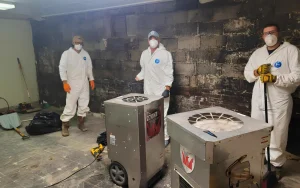
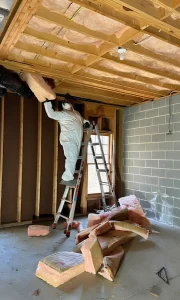
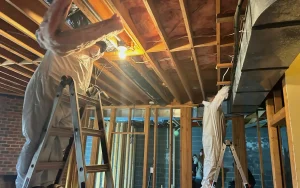
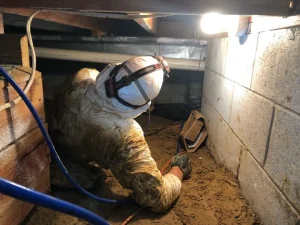
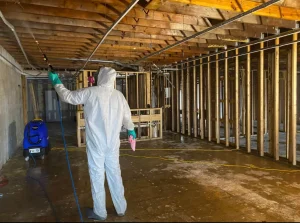
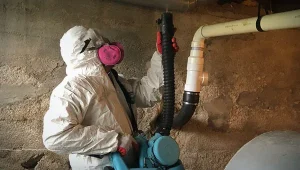
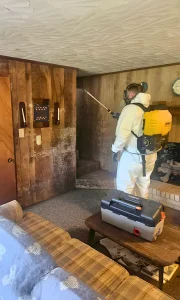
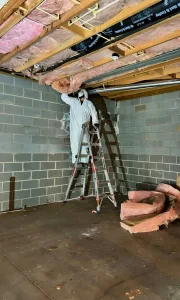
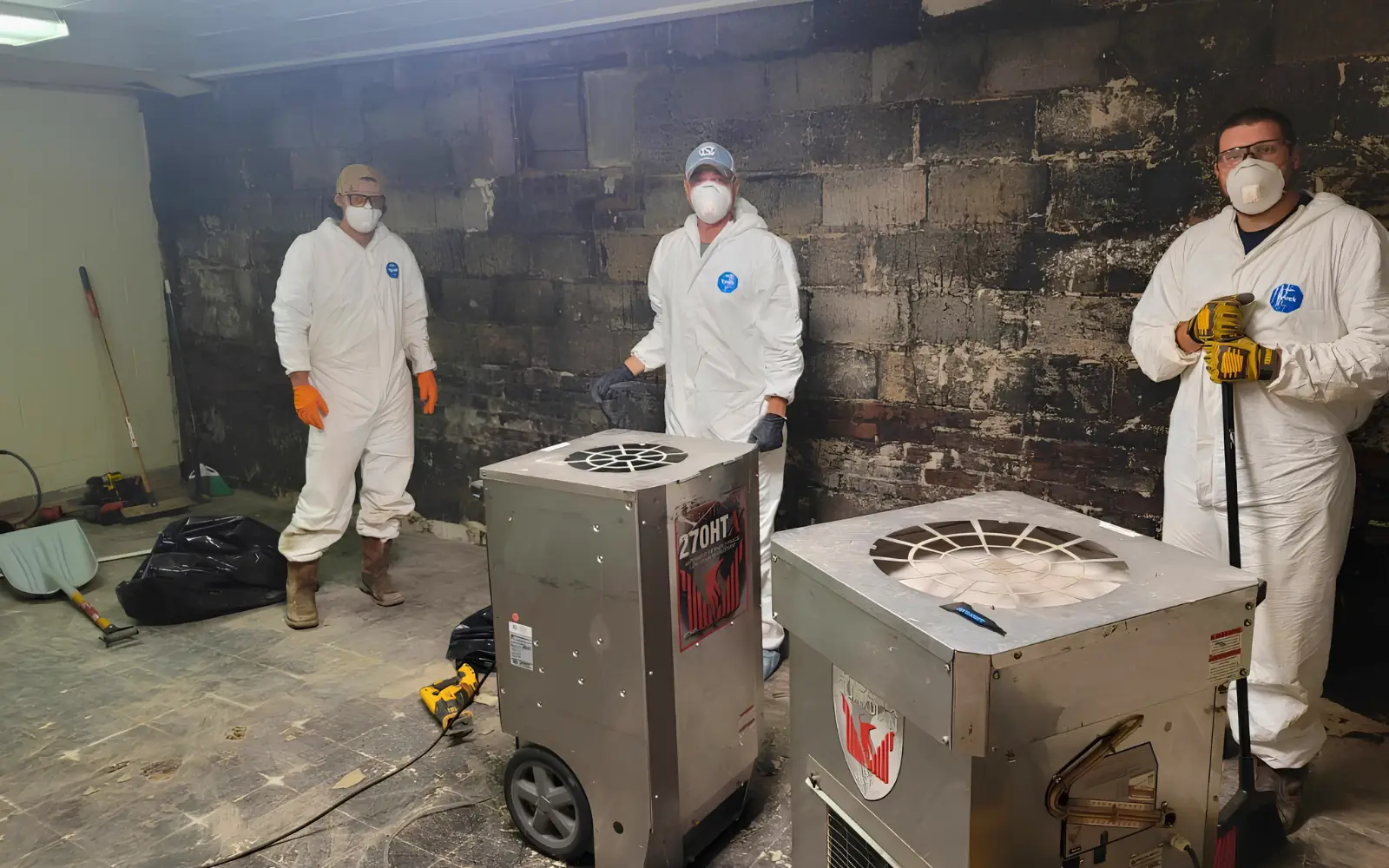
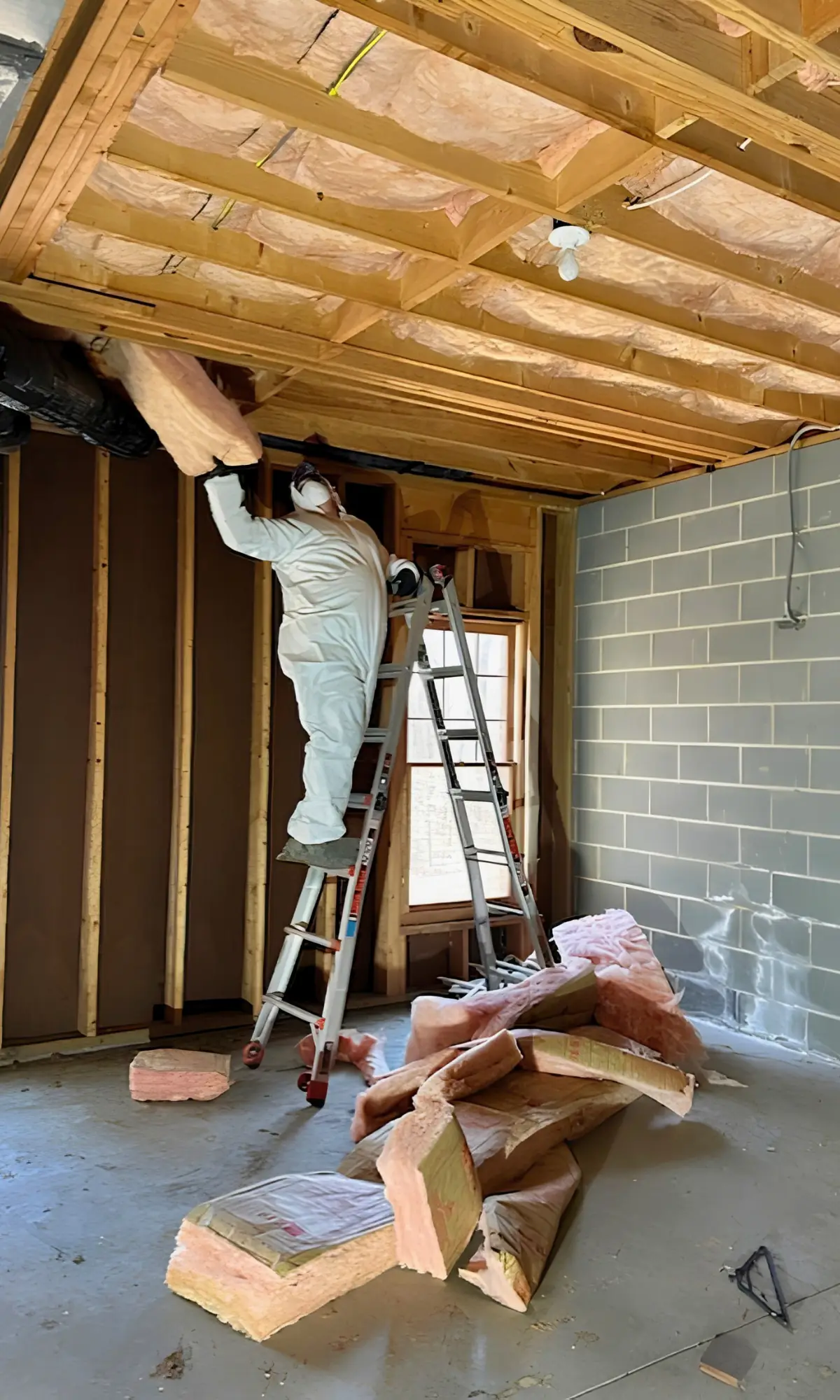
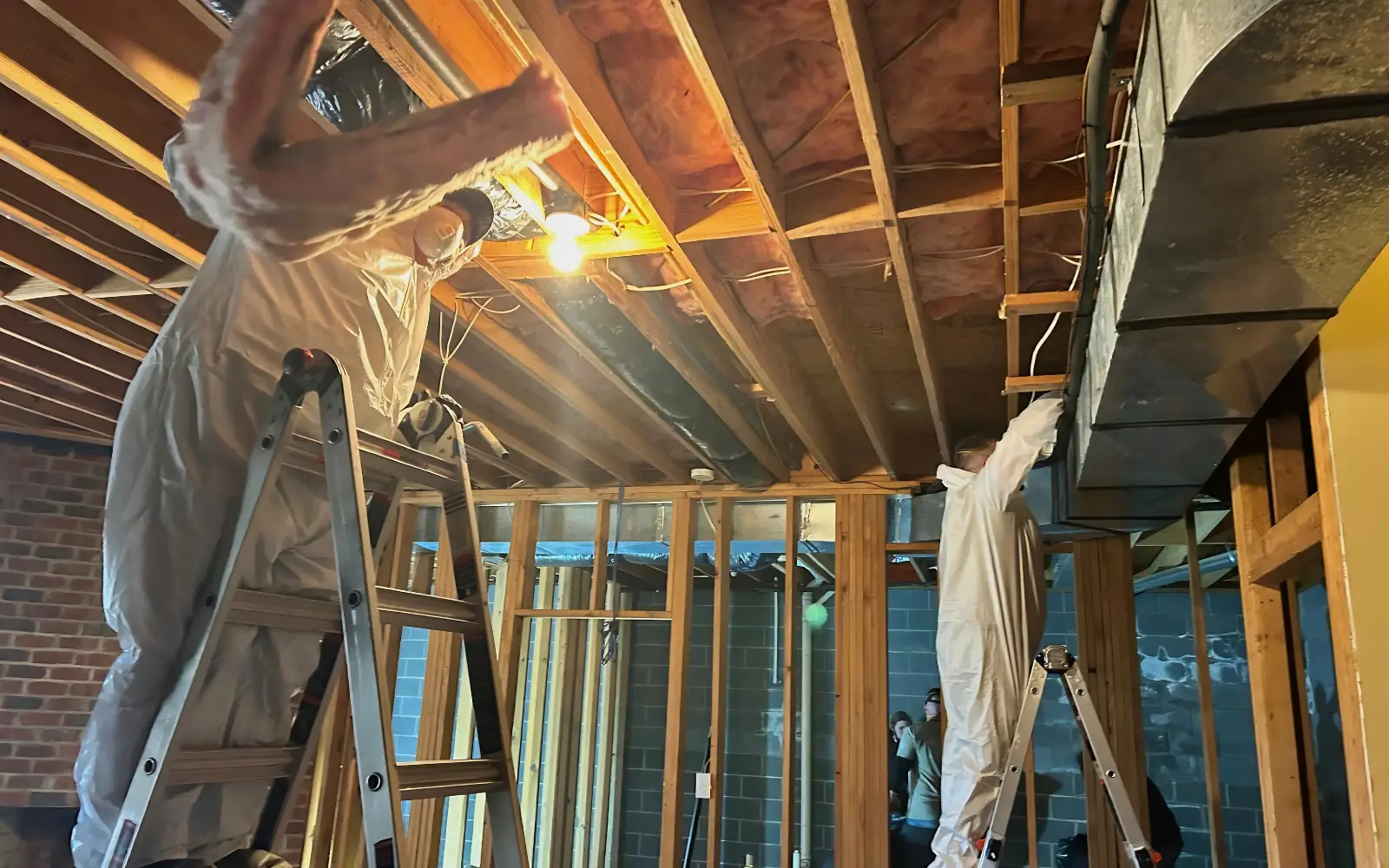


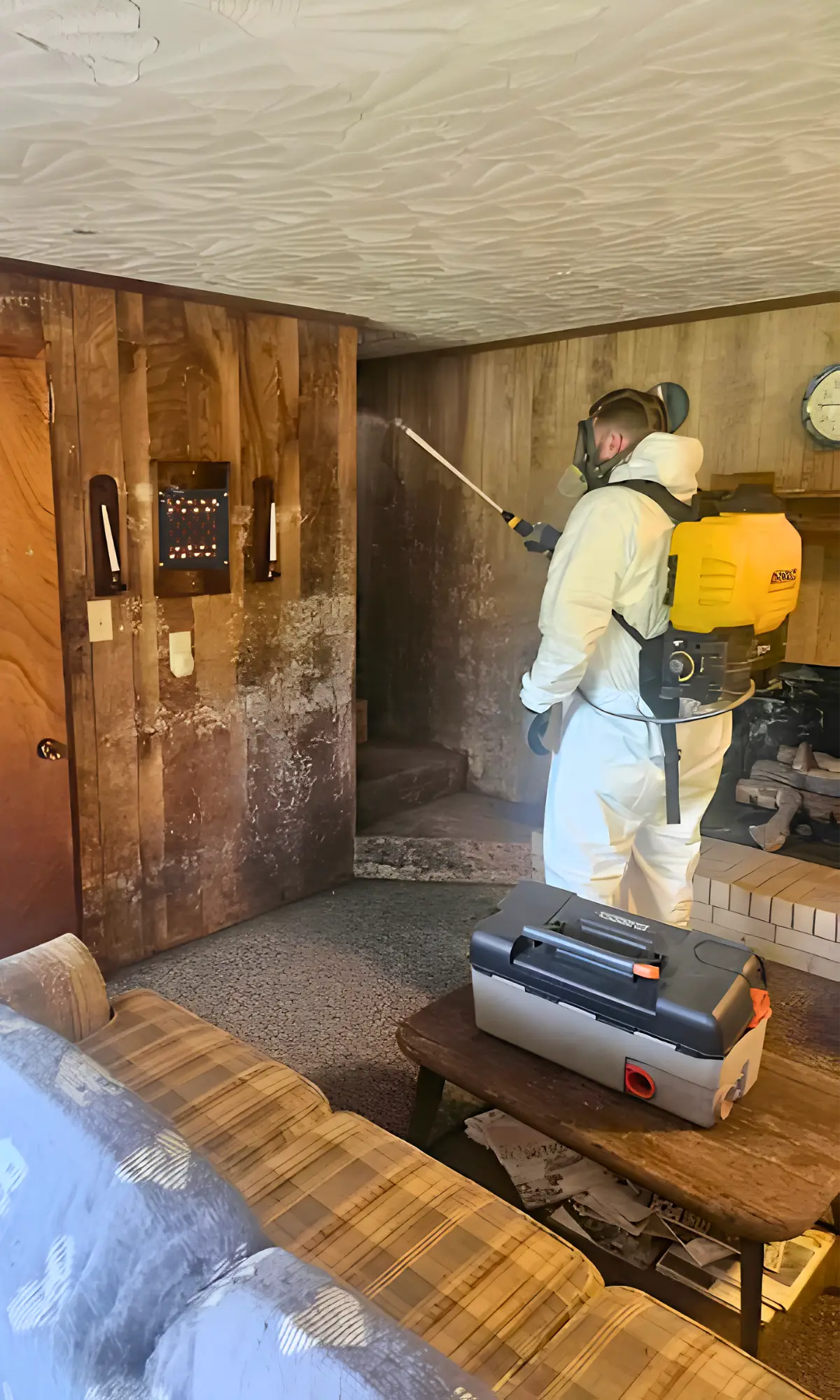
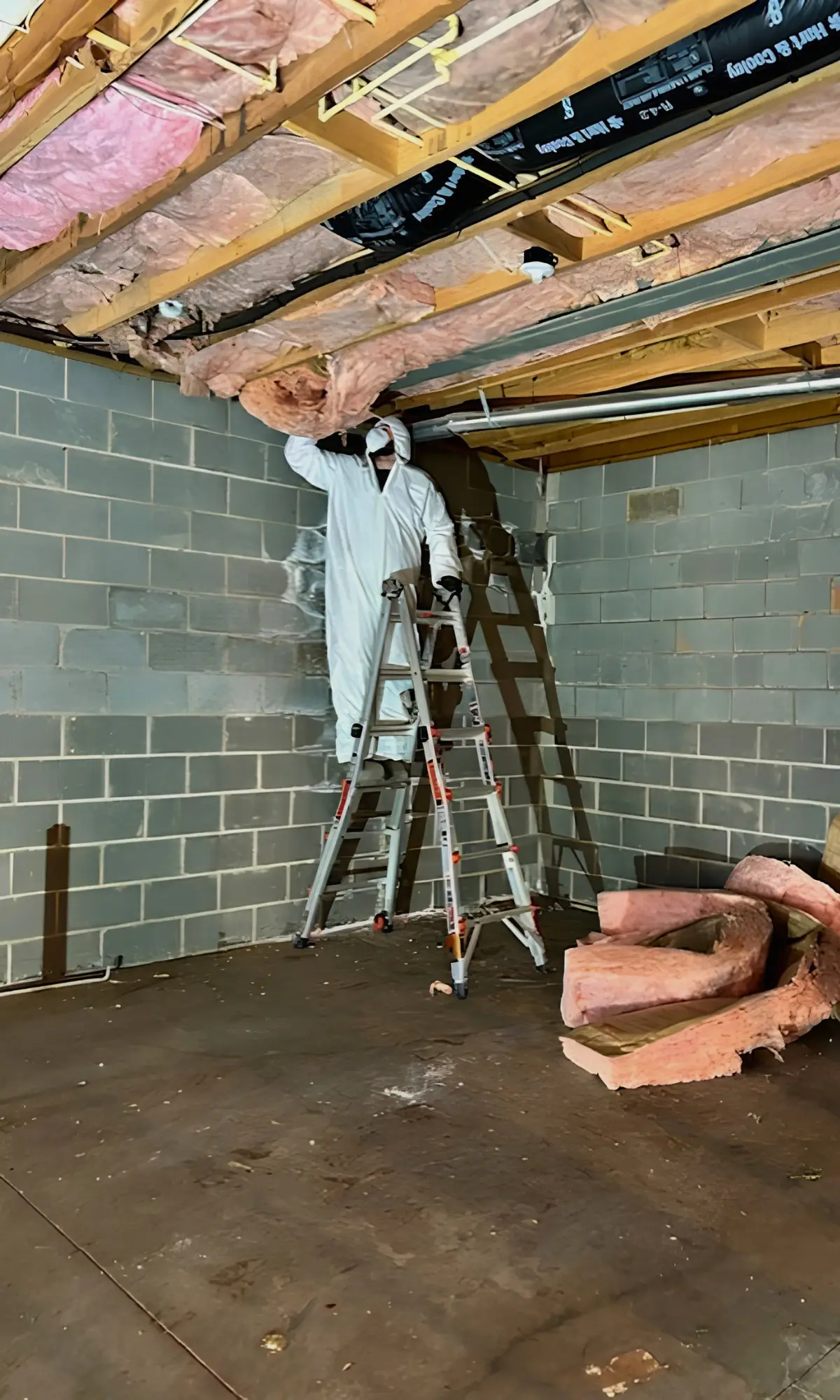
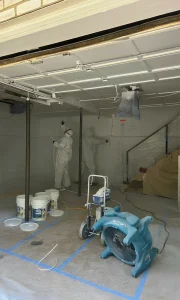
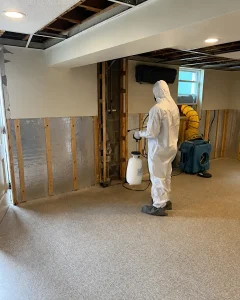
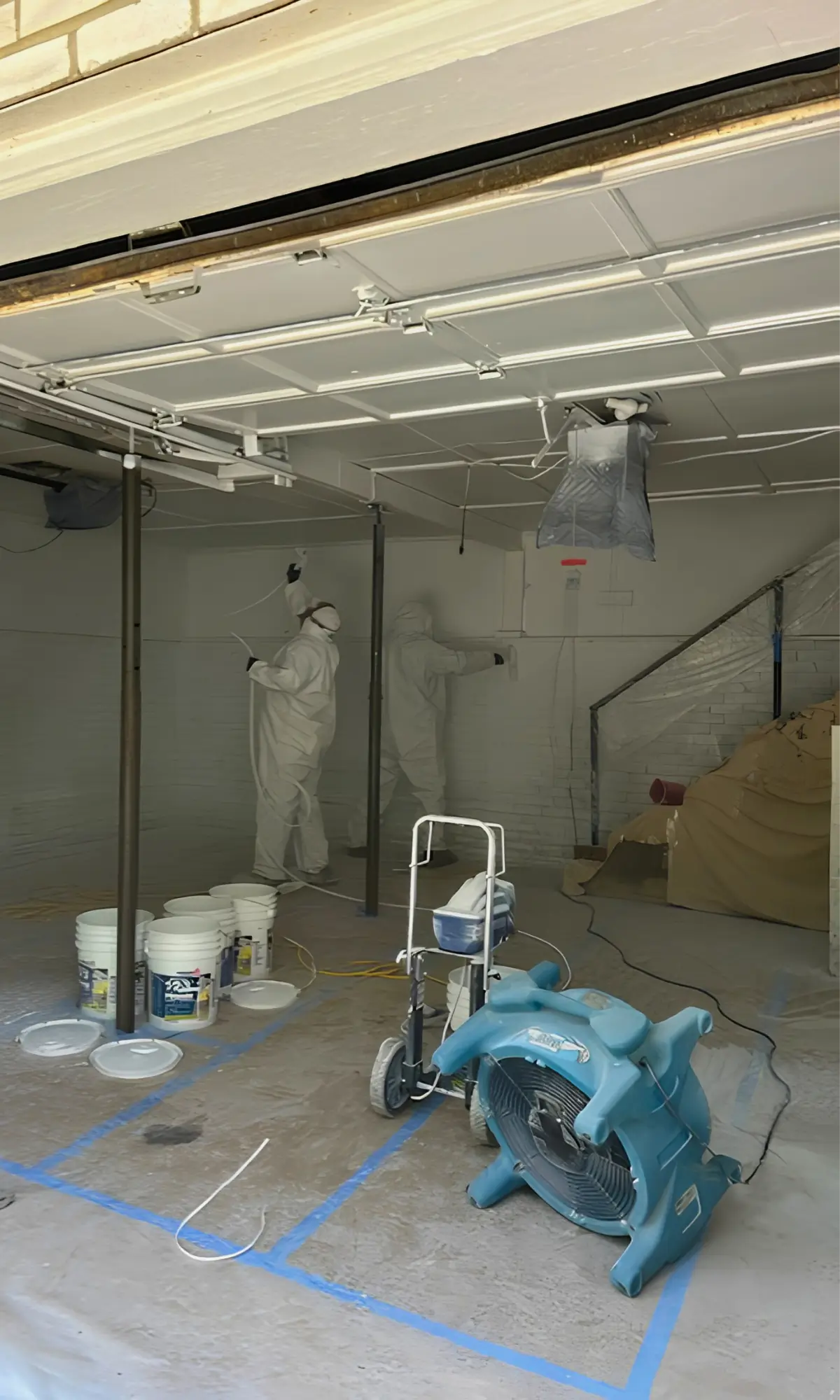

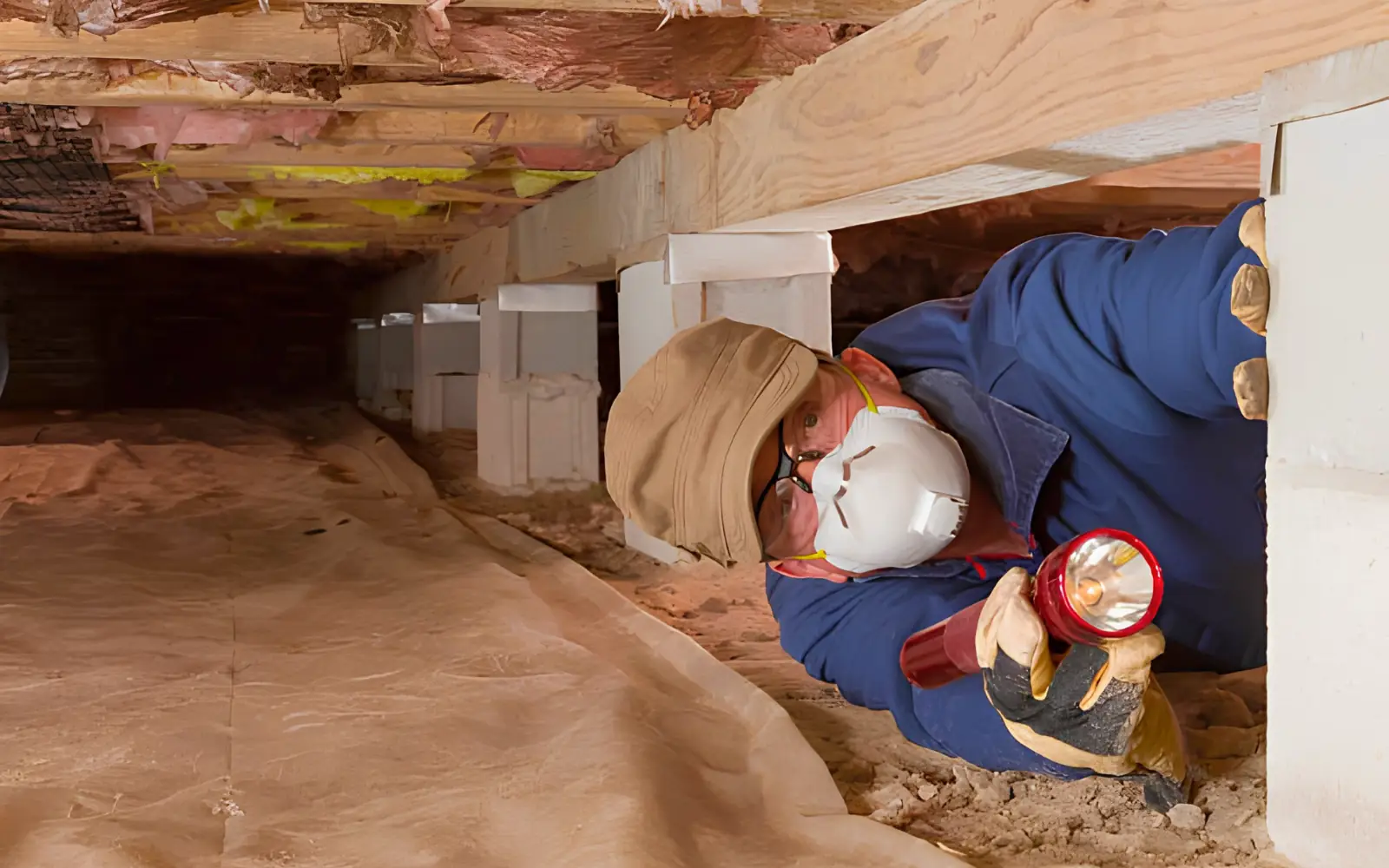
☝️ Real Mold Patrol remediation work across North Carolina homes and businesses.
HVAC Mold Remediation & Decontamination
When remediation is needed, the process depends on where the mold is, what materials are affected, and how the HVAC system is connected to the concern.
The first priority is control. Mold remediation around HVAC systems shouldn’t be handled like ordinary cleaning. Disturbing contaminated materials without containment, filtration, or a plan can make the problem worse.
Depending on the project, Mold Patrol may use containment, air filtration, HEPA vacuuming, air scrubbers, and controlled cleaning methods to reduce the spread of airborne particles during the work.
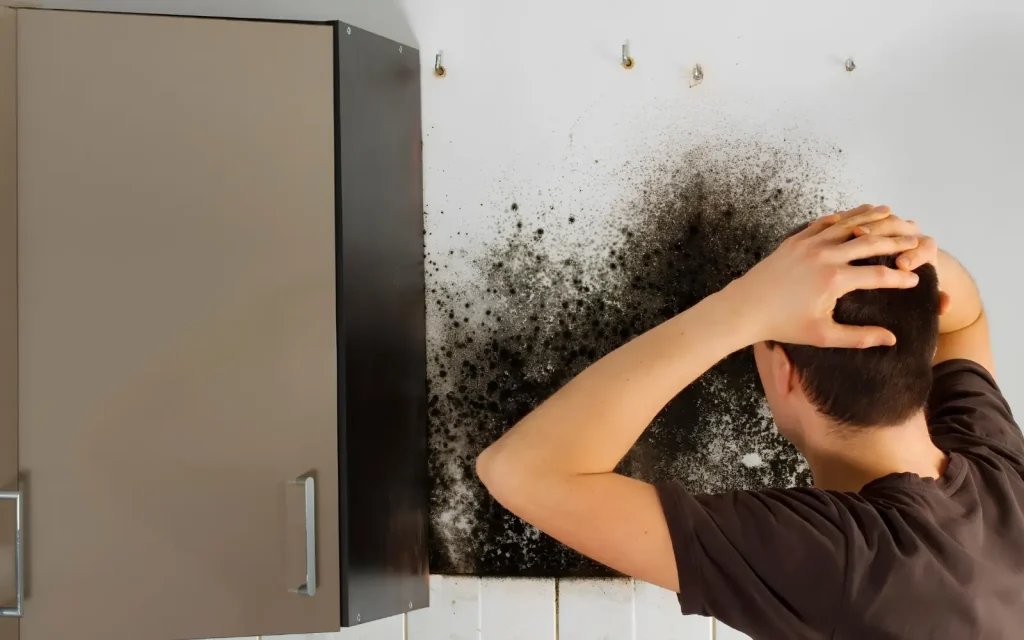

Affected nearby materials may need to be cleaned, treated, sealed, or removed.
That could include drywall, insulation, wood, HVAC-adjacent surfaces, or other materials around the system. When appropriate, antimicrobial treatment or a mold inhibitor may be used as part of the protocol.
If mechanical HVAC work is needed, such as repairing equipment, correcting drainage, addressing condensation, or servicing internal system components, we may recommend coordination with a qualified HVAC professional. We do mold remediation. We don’t pretend every mechanical issue is ours to fix.
That honesty matters.
Our role is to help determine what’s contaminated, what’s contributing to the issue, and what needs to happen so the problem isn’t just wiped down and left to return.
When Duct Cleaning Is Not Enough
Air duct cleaning can be useful in the right situation. If dust, debris, or contamination is present in ductwork, cleaning may be part of the solution.
But duct cleaning isn’t the same as HVAC mold remediation.
If mold is growing around an air handler, inside an HVAC closet, on nearby drywall, on insulation, near vents, or because of condensation and humidity, duct cleaning alone may miss the real problem.
It can also give a false sense of security. The ducts may be cleaner, but the mold source may still be active.
Mold Patrol looks at the whole situation before recommending a next step. Sometimes duct cleaning is appropriate. Sometimes remediation, moisture control, HVAC service, or indoor air quality testing matters more.
Our goal isn’t to sell you the easiest or most expensive service. The goal is to fix the right problem.
Indoor Air Quality & Sensitive Occupants

If mold is connected to the HVAC system, indoor air quality concerns are understandable. HVAC systems move air, and people naturally worry about whether mold spores or particles may be spreading through the property.
Some clients are also dealing with allergies, respiratory concerns, mold sensitivity, CIRS concerns, or mycotoxin worries. Mold Patrol doesn’t diagnose medical conditions, and mold testing isn’t a medical test. But we do understand why the process matters when someone’s already concerned about their indoor environment.
For sensitive occupants, details matter: containment, communication, cleanliness, documentation, and source control.
We take those concerns seriously without turning the conversation into fear. Our job is to help you understand what’s happening and what practical steps may improve the condition of the property.
Related Mold Remediation Services
Mold problems can show up in different parts of a home or building. Depending on your needs, you may find one of the below services a good fit.
Mold Inspection & Testing
If you’re not sure whether mold is present in the HVAC system, inspection and testing can help clarify the issue. Testing may be useful for hidden concerns, documentation, or indoor air quality questions.

Indoor Air Quality
HVAC mold concerns often overlap with indoor air quality. Musty air, stale rooms, odors near vents, and recurring irritation may point to mold, moisture, ventilation, or building conditions.

Commercial mold remediation
Mold issues in a business’ HVAC system can become a headache fast. Complaints from tenants, customers and lost revenue are all possible. Our commercial mold remediation service can be a good fit.
Mold Remediation
When mold contamination is confirmed, remediation may be needed to remove affected materials, clean contaminated areas, and address the conditions that allowed growth.

Moisture control
Crawl space mold usually starts with moisture. We help identify humidity, drainage, vapor barrier, ventilation, and dehumidification needs so the same problem is less likely to return.
Crawl Space Mold Removal
Crawl spaces can influence HVAC and indoor air concerns, especially when ductwork, returns, humidity, or air movement connect the crawl space to the living area.
Why Choose Mold Patrol?
Mold Patrol isn’t a generic duct-cleaning company trying to treat every air concern the same way. We specialize in mold, moisture, and indoor air quality.
That means we look at HVAC mold concerns through the lens of contamination control, moisture source, building conditions, and practical remediation — not just whether a vent looks dirty.
We provide assessments, inspections, testing support, and full remediation protocols for clients who want more than a quick cleaning. We explain what we’re seeing in plain English, without talking down to you or burying you in jargon.
We’re also not a volume-based franchise trying to rush through as many jobs as possible. We’re built around quality over quantity, careful work, and clear communication.
If the issue is minor, we’ll say so. If it needs deeper investigation, we’ll explain why. If HVAC service is needed alongside remediation, we’ll tell you that too.
Mold around an HVAC system can feel unsettling. Our job is to help you get clear, calm answers and a plan that makes sense.
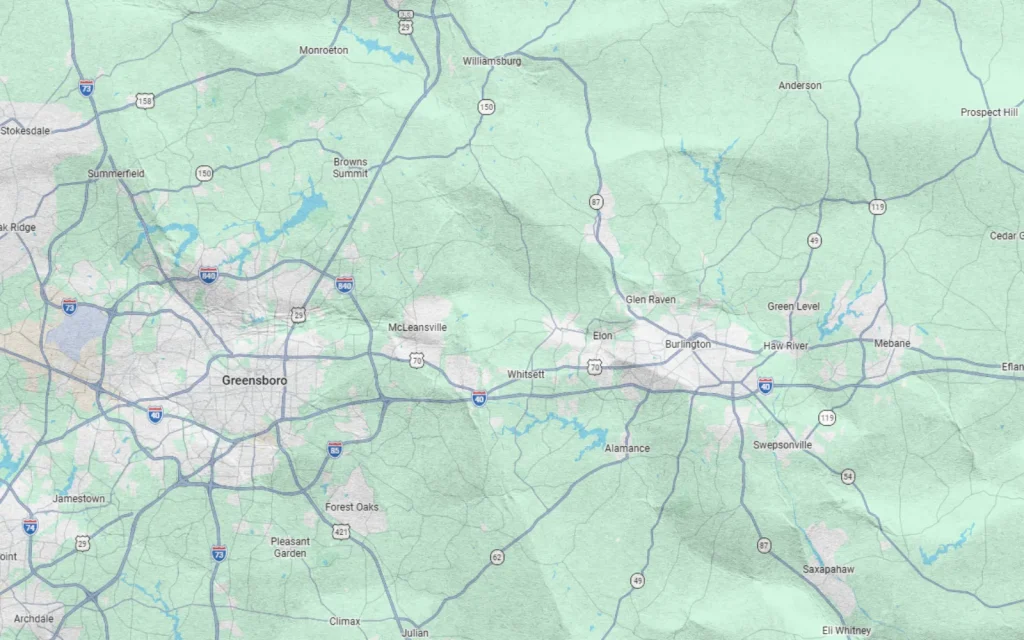
HVAC Mold Remediation Service Areas
Mold Patrol provides HVAC mold remediation in Burlington, Greensboro, Alamance County, Guilford County, and nearby North Carolina communities.
If you’re looking for HVAC mold remediation in Greensboro NC or HVAC mold removal in Burlington NC, we can help evaluate mold concerns around vents, ductwork, air handlers, returns, HVAC closets, and related indoor air quality issues.
Call 0123456789 to ask about service in your area.
Mold Remediation FAQs
Schedule an HVAC Mold Assessment
If you see mold near vents, smell musty air when the system runs, or suspect mold in your AC unit or ductwork, Mold Patrol can help you figure out what’s going on.
Call 0123456789 to schedule an HVAC mold assessment.
Prefer to start online? Fill out the contact form and upload photos of vents, air handlers, staining, moisture, or visible growth. We’ll help you find the next right step.
