

Crawl Space Vapor Barrier Services in North Carolina
A crawl space vapor barrier can help reduce ground moisture beneath your home, but it needs to be part of the right crawl space moisture-control plan.
Mold Patrol provides crawl space vapor barrier assessment, repair, replacement, and moisture-control guidance for homeowners, property managers, and commercial clients across Burlington, Greensboro, and nearby North Carolina communities.
5-Star Rated • Certified Mold Specialists • Burlington & Greensboro

We are not here to scare you, rush you, or slap a surface-level fix on a deeper issue.
If your crawl space smells musty, has exposed soil, damaged plastic, wet insulation, high humidity, or mold growth, the vapor barrier may be part of the problem.
Call 0123456789 to schedule a crawl space vapor barrier assessment.

Ground Moisture Can Feed Crawl Space Mold
Exposed soil releases moisture into the crawl space. Over time, that moisture can raise humidity, dampen materials, and create conditions where mold is more likely to grow.
That moisture does not always stay neatly under the house either. Crawl space odors, humidity, and air movement can affect the home above, especially when there are gaps, duct leaks, poor insulation, or pressure differences pulling air upward.
A crawl space moisture barrier helps reduce moisture coming up from the ground. That can support mold prevention, protect building materials, and make the crawl space easier to manage.

But a vapor barrier is not a cure-all.
If mold is already present, insulation is wet, water is standing under the home, or humidity is coming from another source, plastic alone will not fix it. Mold Patrol looks at the full crawl space before recommending the next step.
Because covering the ground only helps if the real problem is understood.
What a Crawl Space Vapor Barrier Does
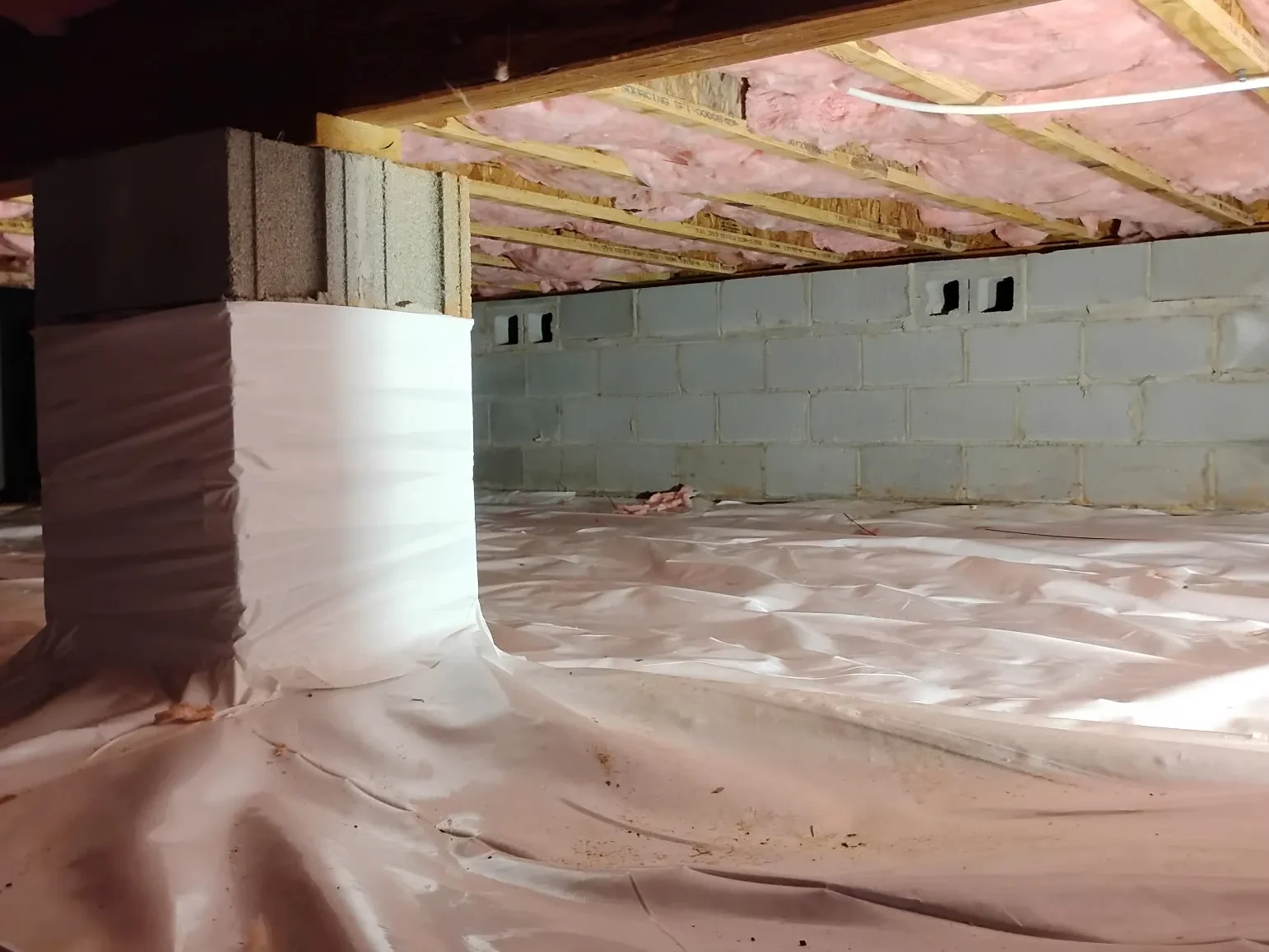
A crawl space vapor barrier is a material installed over exposed soil to reduce moisture evaporation from the ground into the crawl space.
That matters because ground moisture can contribute to high humidity, musty odors, damp insulation, wood moisture, and mold growth. By covering the soil, a vapor barrier can help lower one of the major moisture sources beneath the home.
A proper vapor barrier may also support crawl space humidity control, dehumidification, insulation performance, and indoor air quality by helping keep the crawl space drier and more stable.
The details matter, though.
A vapor barrier is not just a sheet of plastic thrown under the house. Seams, overlaps, edges, piers, support columns, access areas, and penetrations all affect how well it performs. If the barrier is torn, loose, too thin, poorly placed, or covered in mud and debris, it may not be doing much good.
A vapor barrier can also be part of crawl space encapsulation, but it’s not the same thing as full encapsulation. Some homes need a simple repair or replacement. Others need more moisture-control work before a vapor barrier can perform properly.

Signs Your Vapor Barrier May Need Repair or Replacement
A damaged or failing vapor barrier can allow ground moisture to keep entering the crawl space. Sometimes the problem is obvious. Other times, the clue is what the crawl space smells or feels like.
You may need crawl space vapor barrier repair or replacement if you notice:
- Exposed soil under the home
- A missing vapor barrier
- Torn, loose, thin, brittle, or bunched-up plastic
- Pooling water on top of the barrier
- Mud, dirt, or debris covering the barrier
- A musty crawl space odor
- Wet, sagging, or fallen insulation
- Visible crawl space mold
- High humidity under the home
- Condensation on pipes, ducts, or framing
- Pest activity or debris disturbing the barrier
- Poor coverage around piers, walls, or access points
- A previous DIY installation that is failing
- Musty odors entering the living space
Not every damaged vapor barrier means you need full crawl space encapsulation. But if the barrier is not covering the ground properly, it may not be controlling ground moisture the way it should.
Mold Patrol can help determine whether repair, replacement, or a broader crawl space moisture-control plan makes sense.
When a Vapor Barrier Is Not Enough
A vapor barrier helps control ground moisture, but it cannot fix every crawl space moisture problem.
If there is standing water under the home, the water source has to be addressed. If plumbing is leaking, the leak needs repair. If insulation is wet or mold-contaminated, it may need to be removed. If ducts are sweating, HVAC-related moisture may need attention.
And if mold is already growing, a new vapor barrier will not remove it.
This is where homeowners sometimes get frustrated. They invest in a barrier, but the crawl space still smells musty or the mold returns because the barrier was only one part of the problem.


A vapor barrier may also struggle if the crawl space is open to constant humid outside air, has drainage problems, or needs dehumidification to keep humidity under control.
That does not make vapor barriers unimportant. It just means they need to be used correctly.
Mold Patrol inspects the crawl space before recommending repair or replacement. We look for mold, moisture, insulation problems, drainage issues, HVAC condensation, wood moisture, and air movement so the plan fits the actual conditions.
No one needs another expensive band-aid under the house.
We stand behind our work 100%
Most remediation companies will give you vague promises or wishful thinking when you ask about whether the mold will return.
That’s not how we work.
We back our work with a 100% guarantee. That means that if the mold comes back and you’ve followed our post-remediation recommendations, we’ll come back and fix the issue completely free of charge.
We believe you should only need to hire a remediator once.
With us, that’s exactly what happens.
Our Vapor Barrier Assessment Process
A good vapor barrier plan starts with understanding what is happening in the crawl space.
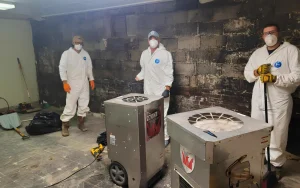
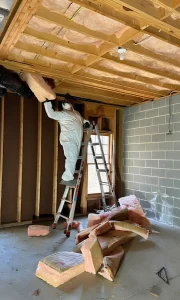
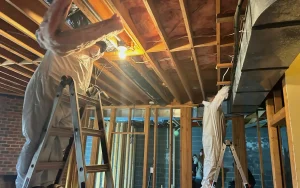
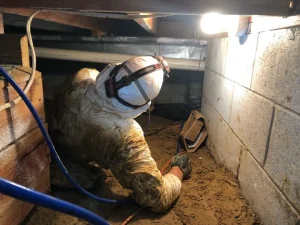
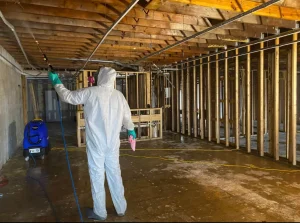
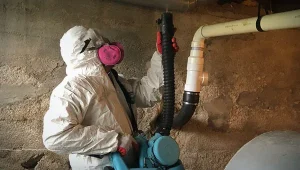
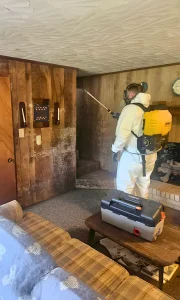
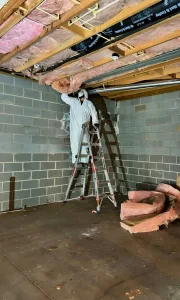
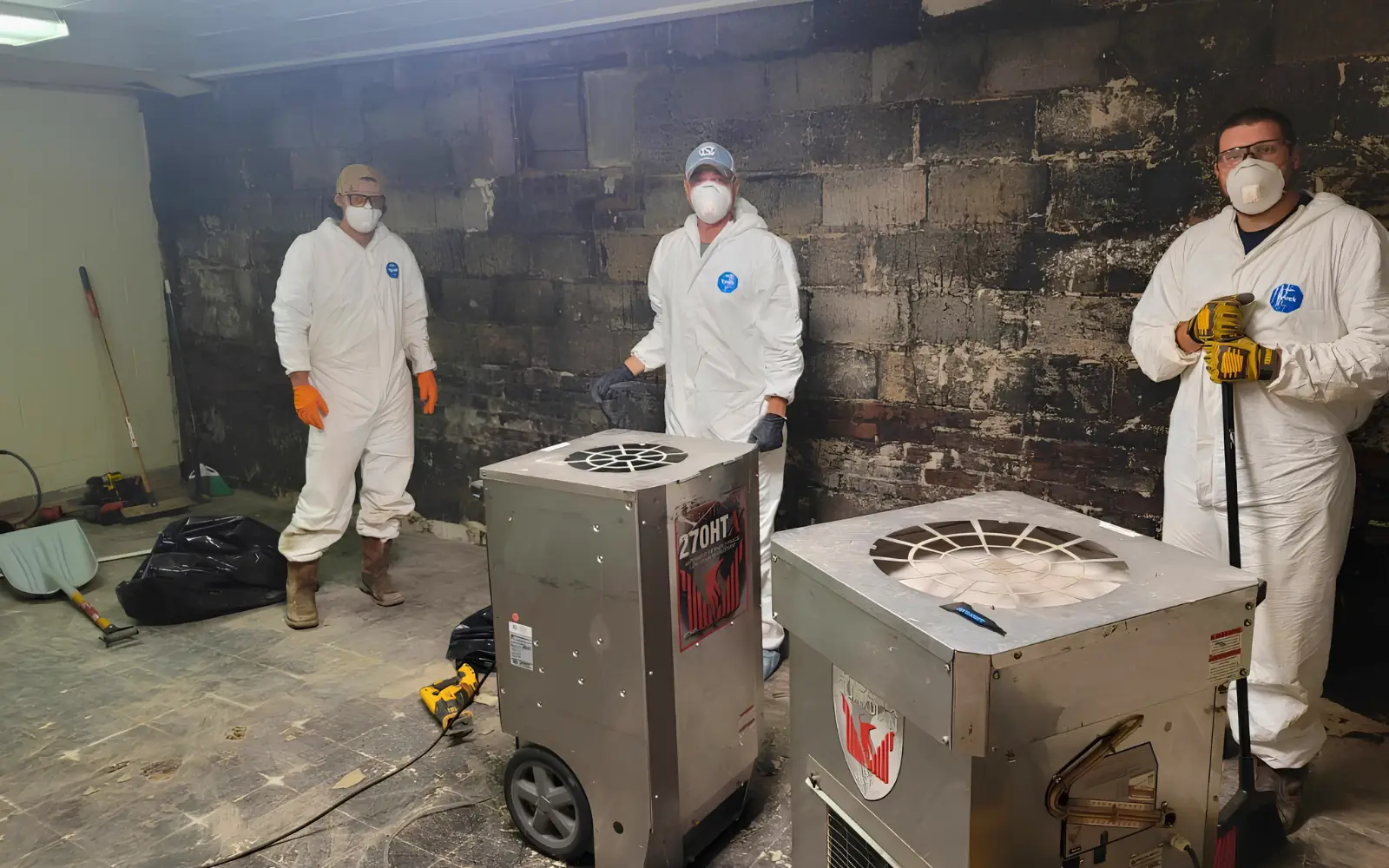
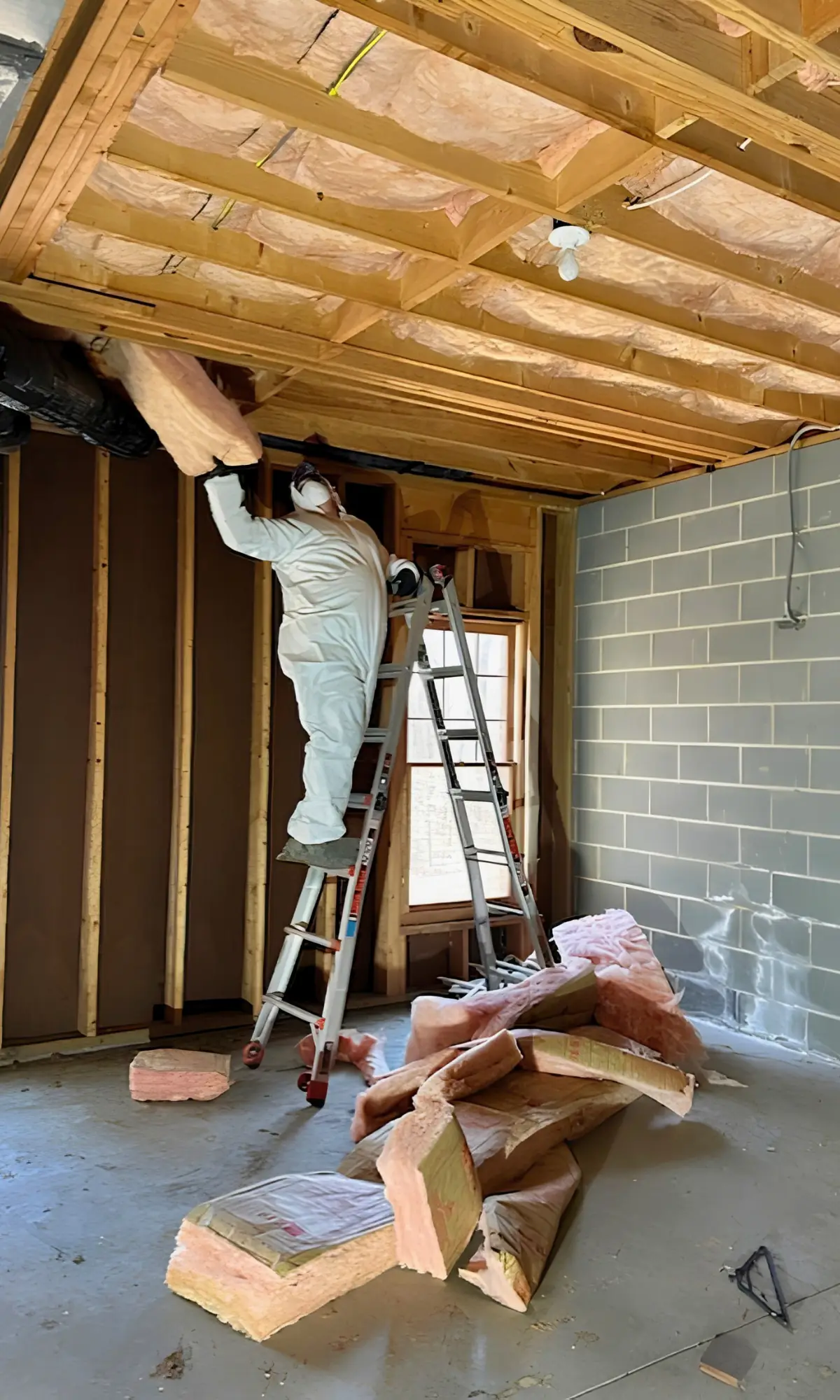
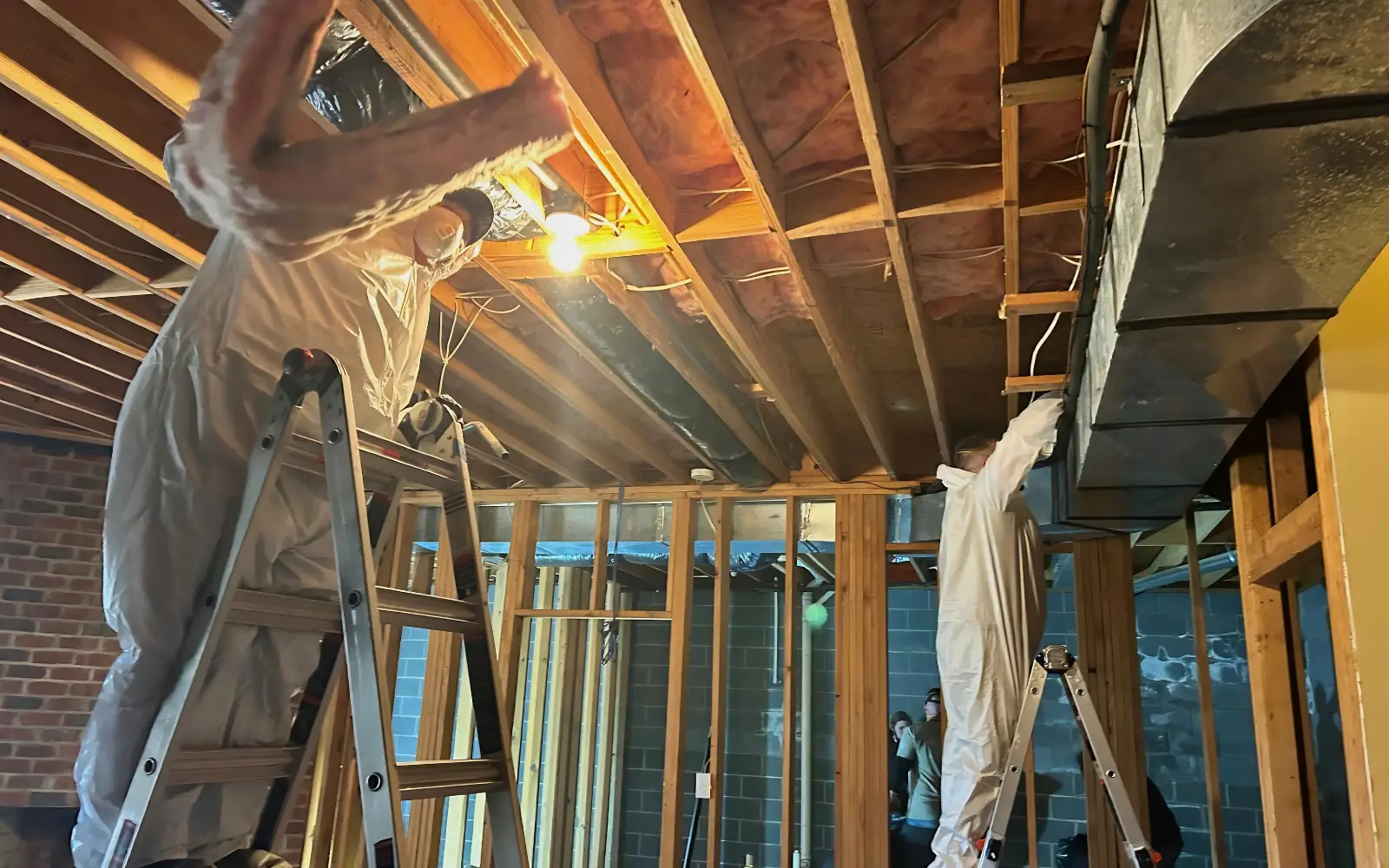
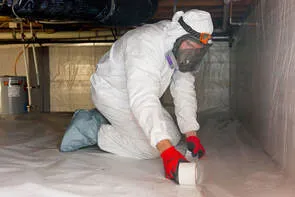


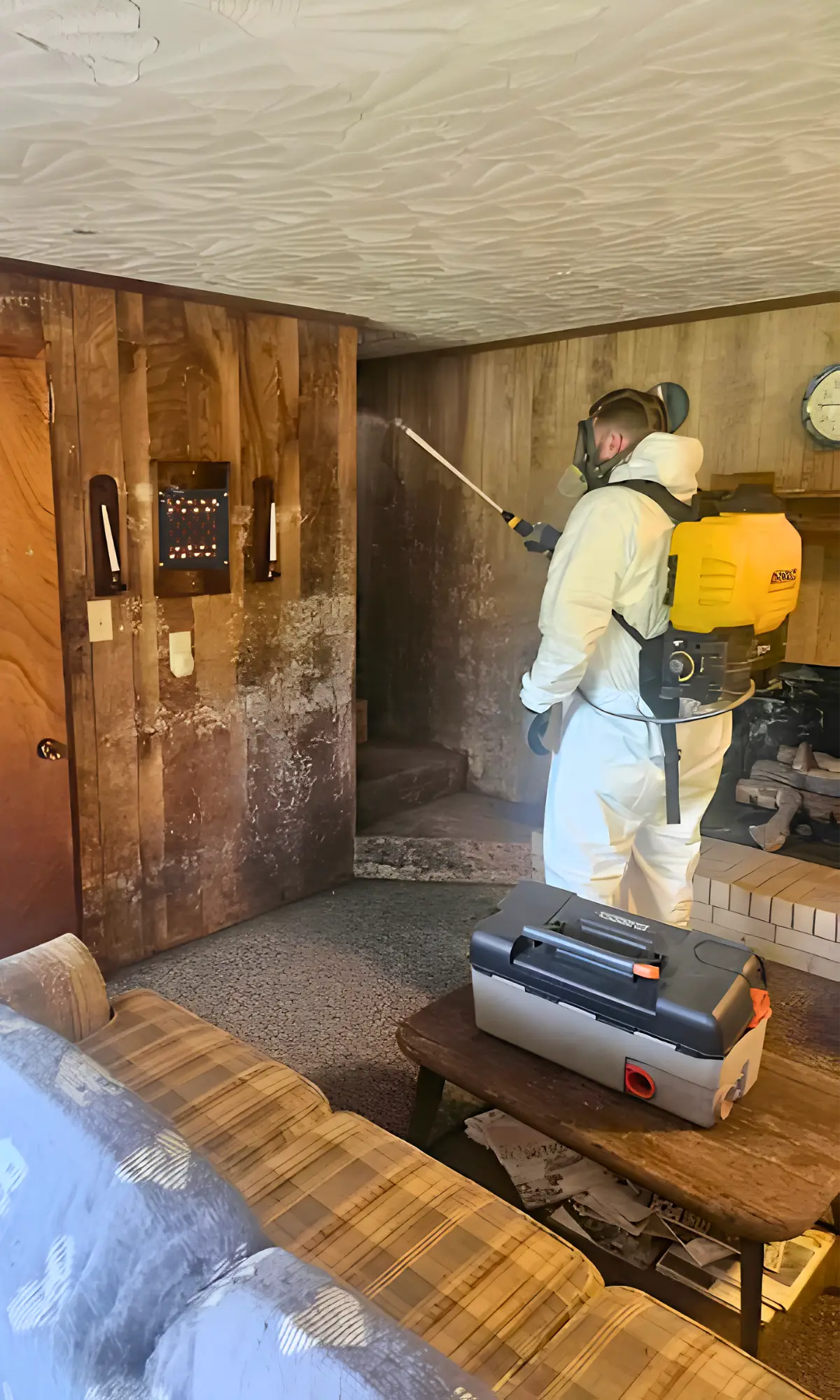
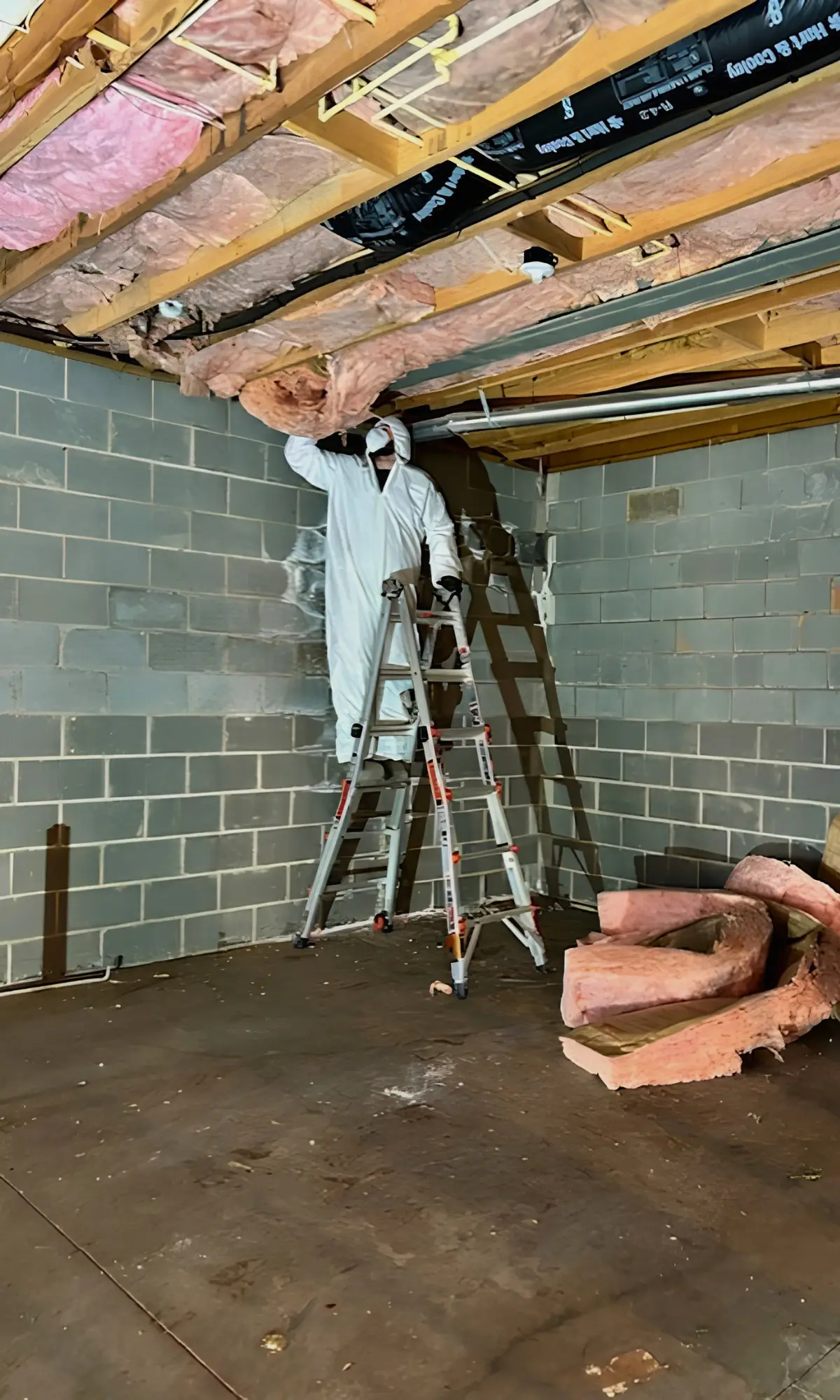
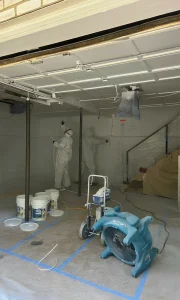
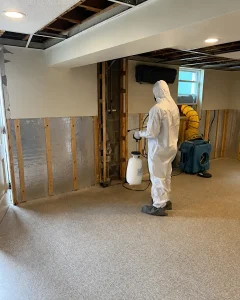
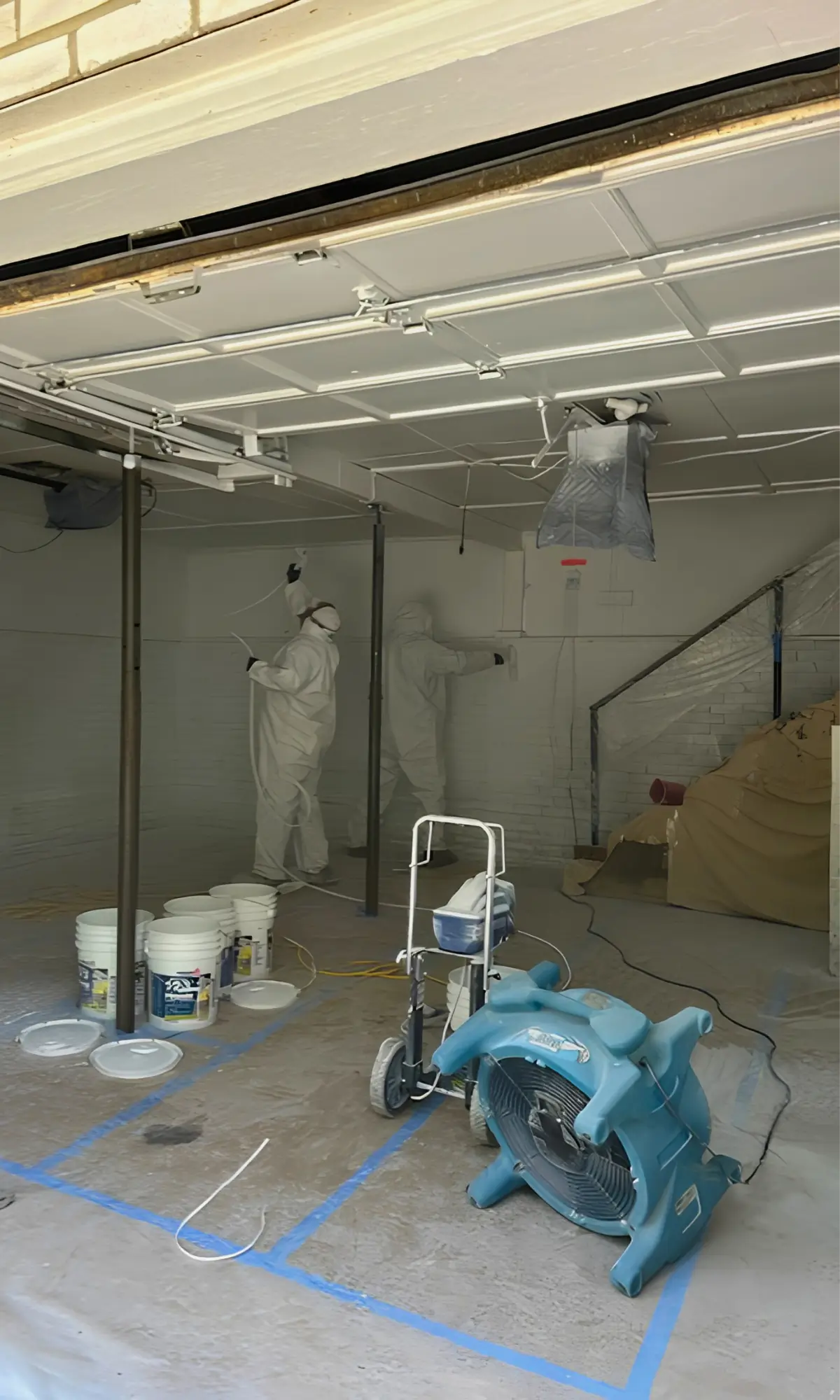

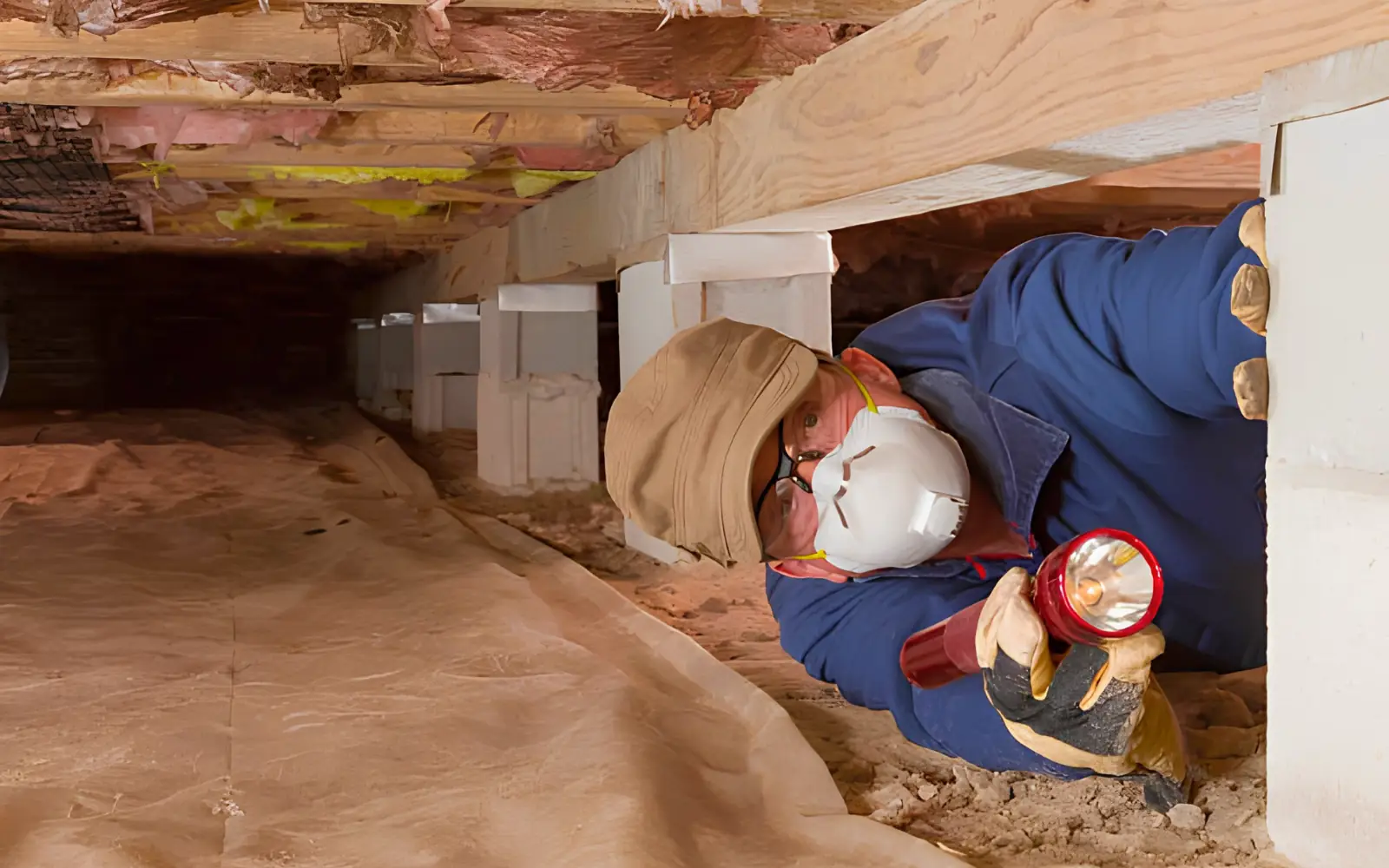
☝️ Real Mold Patrol remediation work across North Carolina homes and businesses.
Vapor Barrier Installation, Repair & Replacement
Depending on the condition of the crawl space, Mold Patrol may recommend vapor barrier installation, repair, or replacement.
If the existing barrier is mostly intact but has small damaged areas, repair may be enough. If it’s torn, contaminated, missing, too thin, poorly fitted, or no longer covering the soil properly, replacement may make more sense.
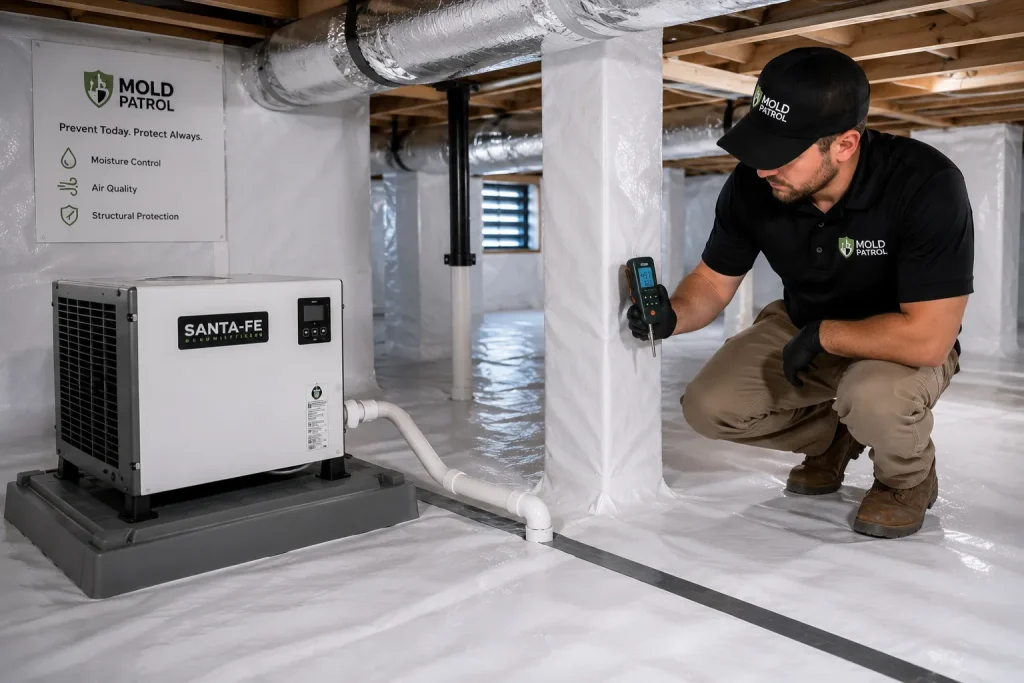
A proper crawl space moisture barrier should reduce exposed soil, fit the space well, and be installed with attention to seams, overlaps, walls, piers, access points, and penetrations. The right approach depends on the crawl space layout and moisture conditions.
Before installation, debris, damaged insulation, standing water, or mold-contaminated materials may need attention. If those issues are skipped, the new barrier may look better without solving the actual problem.
Mold Patrol also considers whether dehumidification, drainage improvements, or other moisture-control recommendations are needed for the barrier to perform well over time.

We don’t treat vapor barriers like a quick roll-out-and-leave job. When installed in the right context, a vapor barrier can help support a cleaner, drier crawl space. When installed over unresolved problems, it can become a neat-looking cover for a mess that still needs to be fixed.
That’s why we look first, explain clearly, and recommend the practical next step.
Vapor Barriers, Mold Prevention & Indoor Air Quality
A vapor barrier for mold prevention works by reducing one important moisture source: ground moisture. Less moisture rising from the soil can help lower humidity and reduce conditions that support crawl space mold growth.
That can also matter for the home above.
Air can move from the crawl space into living areas through gaps, duct leaks, floor penetrations, and pressure differences. If the crawl space is damp, musty, or moldy, those conditions may affect how the home smells and feels.
A crawl space vapor barrier and mold prevention plan may be especially important for homeowners dealing with recurring musty odors, crawl space mold, indoor air quality concerns, or sensitive occupants.
A vapor barrier does not replace mold remediation, dehumidification, or drainage correction when those are needed. But as part of a complete moisture-control plan, it can help keep the crawl space from constantly feeding humidity into the building.
Related Services

Moisture Control
A vapor barrier is one part of moisture control. We help identify leaks, humidity, drainage, vapor barrier issues, condensation, and other conditions that may be feeding mold growth.

Crawl Space Mold Removal
If mold is already growing beneath the home, remediation may be needed before the crawl space can be properly controlled and maintained.

Whole property dehumidification
Dehumidification may help control crawl space humidity after ground moisture, standing water, and other moisture sources are addressed.

Indoor Air Quality
Crawl space moisture and mold can affect odors, humidity, and air movement into the home. We evaluate building conditions that may be influencing indoor air quality.
Mold Remediation
When mold contamination is present, remediation may include removal, cleaning, treatment, containment, and prevention recommendations.
Mold Inspections
Mold inspections help identify visible mold, moisture concerns, and conditions that may be contributing to mold growth. They provide a clearer understanding of the problem and potential next steps.
Why Choose Mold Patrol?
Mold Patrol specializes in mold, moisture, and indoor air quality. That means we do not treat a vapor barrier like a magic sheet of plastic.
We look at why the crawl space is damp, whether mold is already present, whether insulation is affected, whether drainage or dehumidification matters, and whether the barrier will actually help solve the problem.
Then we explain what we are seeing in plain English.
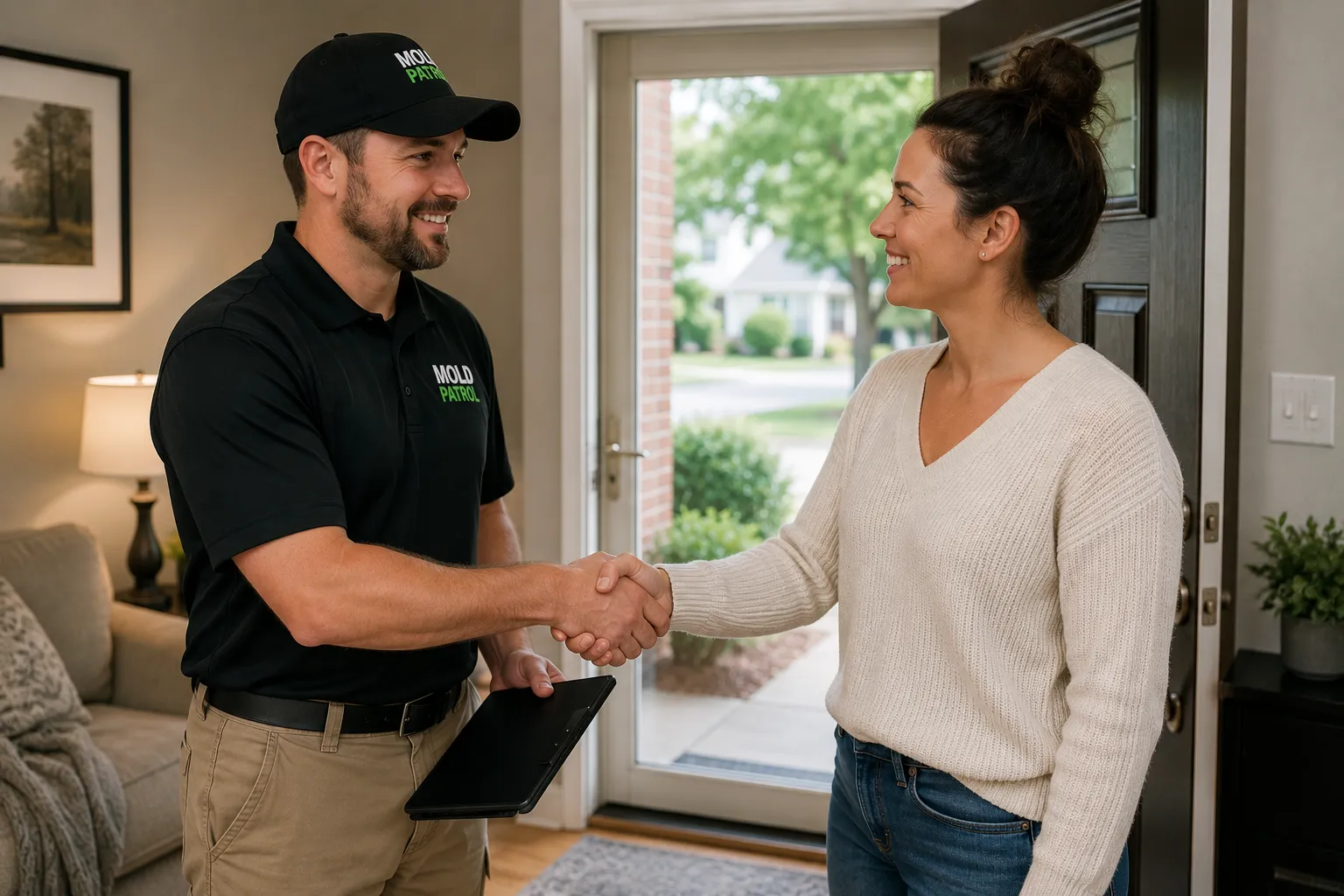
You will not be pushed into a one-size-fits-all crawl space package just because it is easy to sell. You’ll get practical guidance based on the actual conditions under your home.
Mold Patrol is built around quality over quantity, careful assessment, and relationship-based service. We want the work to make sense, hold up, and support the larger goal: reducing moisture conditions that help mold grow.
If your vapor barrier is missing, damaged, or not doing its job, call 0123456789 and tell us what is going on.
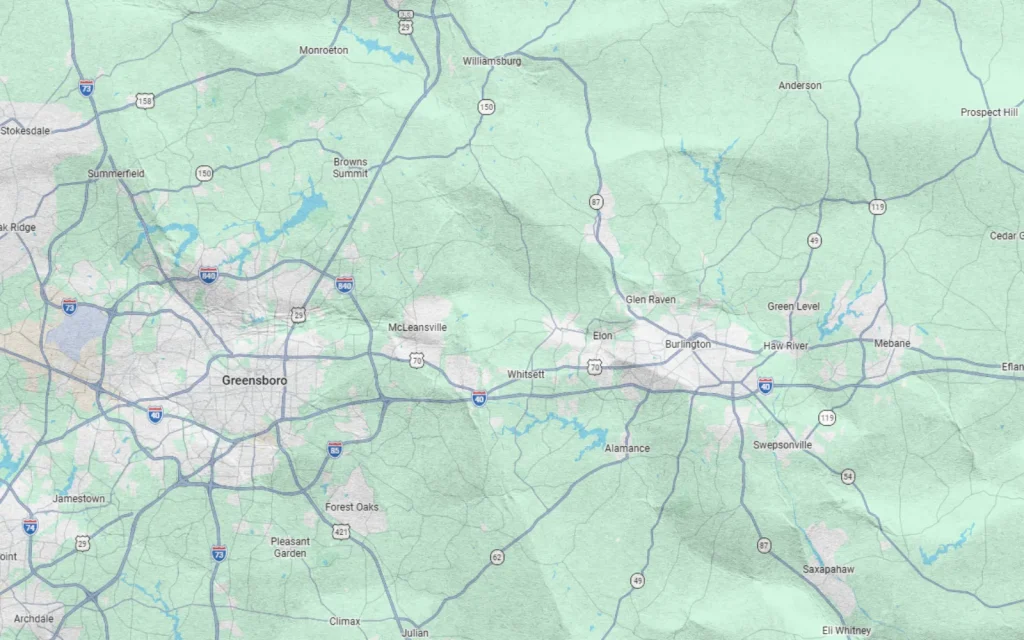
Crawl Space Vapor Barrier Service Areas
Mold Patrol provides crawl space vapor barrier services in Burlington, Greensboro, Alamance County, Guilford County, and nearby North Carolina communities.
If you are looking for a crawl space vapor barrier in Greensboro NC or vapor barrier installation in Burlington NC, we can help evaluate ground moisture, crawl space mold, damaged insulation, humidity, and moisture-control needs.
Call 0123456789 to ask about service in your area.
Mold Remediation FAQs
Schedule a Vapor Barrier Assessment
If your crawl space has exposed soil, damaged plastic, musty odors, standing moisture, wet insulation, or visible mold, Mold Patrol can help you determine what needs to happen next.
Call 0123456789 to schedule a crawl space vapor barrier assessment.
Prefer to start online? Fill out the contact form and upload crawl space photos if the area is safe to access. We will help you find the next right step.
