

Mold & Indoor Air Quality Services in North Carolina
If the air in your home feels musty, heavy, irritating, or just plain “off,” there may be more going on than stale air.
Mold Patrol helps homeowners, property managers, and commercial clients across Burlington, Greensboro, and nearby North Carolina communities investigate mold and indoor air quality concerns.
5-Star Rated • Certified Mold Specialists • Burlington & Greensboro

We look for moisture, mold growth, HVAC-related issues, crawl space conditions, and other building factors that may be affecting the air inside.
We’re not here to sell you a magic machine or scare you into unnecessary work. We’re here to help you understand what’s happening, what may be contributing to it, and what the next right step should be.
Call 0123456789 to schedule an indoor air quality assessment.

When the Air in Your Home Does Not Feel Right
Indoor air quality concerns are often hard to explain at first.
Maybe certain rooms smell musty or damp. Maybe the air feels stale no matter how often you clean. Maybe you notice condensation, recurring mold, crawl space odors, or irritation that seems worse when you’re inside the home.
You may also be worried because of past water damage, a plumbing leak, HVAC issues, or moisture you can’t fully track down.
Whatever the concern, you don’t need to diagnose it yourself.
Poor indoor air quality can have many causes, and mold is only one possibility. But when mold, moisture, humidity, or contaminated materials are involved, the issue usually needs more than a candle, a filter change, or another round of surface cleaning.

Mold Patrol helps you sort through the clues, inspect the right areas, and determine whether mold, moisture, or building conditions may be part of the problem.
Can Mold Affect Indoor Air Quality?
Yes, mold can affect indoor air quality. But it’s important to understand how.
Mold grows when moisture and a suitable surface are present. Once mold is active, spores, fragments, and related particles may become part of the indoor environment, especially when contaminated materials are disturbed, airflow spreads particles, or moisture conditions continue supporting growth.
Sometimes mold is visible. Other times, the issue is hidden behind walls, under flooring, inside cabinets, in crawl spaces, around HVAC components, or in areas with long-term humidity problems.
That doesn’t mean every indoor air quality problem is mold. Dust, poor ventilation, humidity, pets, cleaning products, building materials, and HVAC issues can all affect the air inside a property.
That’s why Mold Patrol doesn’t look at the air alone. We look at the building.
If you’re wondering, “Can mold affect indoor air quality in my home?” the better question may be: where could moisture, mold growth, or air movement be influencing the indoor environment?

That’s the kind of question an experienced mold and moisture specialist can help answer.
Common Signs of Mold-Related Indoor Air Quality Issues
Mold-related indoor air quality concerns don’t always look dramatic. Sometimes the signs are subtle, recurring, or easy to dismiss.
You may want an indoor air quality assessment if you notice:
- A recurring musty smell that cleaning doesn’t fix
- Visible mold growth or staining
- Mold returning after you clean it
- High humidity or condensation
- Damp-feeling rooms, closets, or cabinets
- Crawl space or basement odors entering the home
- Odors near vents, returns, or air handlers
- Water damage from leaks, flooding, or roof issues
- Allergy-like irritation that seems worse indoors
- Stale, dusty, or heavy-feeling air

These signs don’t automatically mean you’ve a major mold problem. Some issues are minor. Some are moisture-related but not mold-related. Some require testing; others require a better look at ventilation, humidity, or hidden building conditions.
The point isn’t to panic. The point is to stop guessing.
We stand behind our work 100%
Most remediation companies will give you vague promises or wishful thinking when you ask about whether the mold will return.
That’s not how we work.
We back our work with a 100% guarantee. That means that if the mold comes back and you’ve followed our post-remediation recommendations, we’ll come back and fix the issue completely free of charge.
We believe you should only need to hire a remediator once.
With us, that’s exactly what happens.
Our Indoor Air Quality Assessment Process
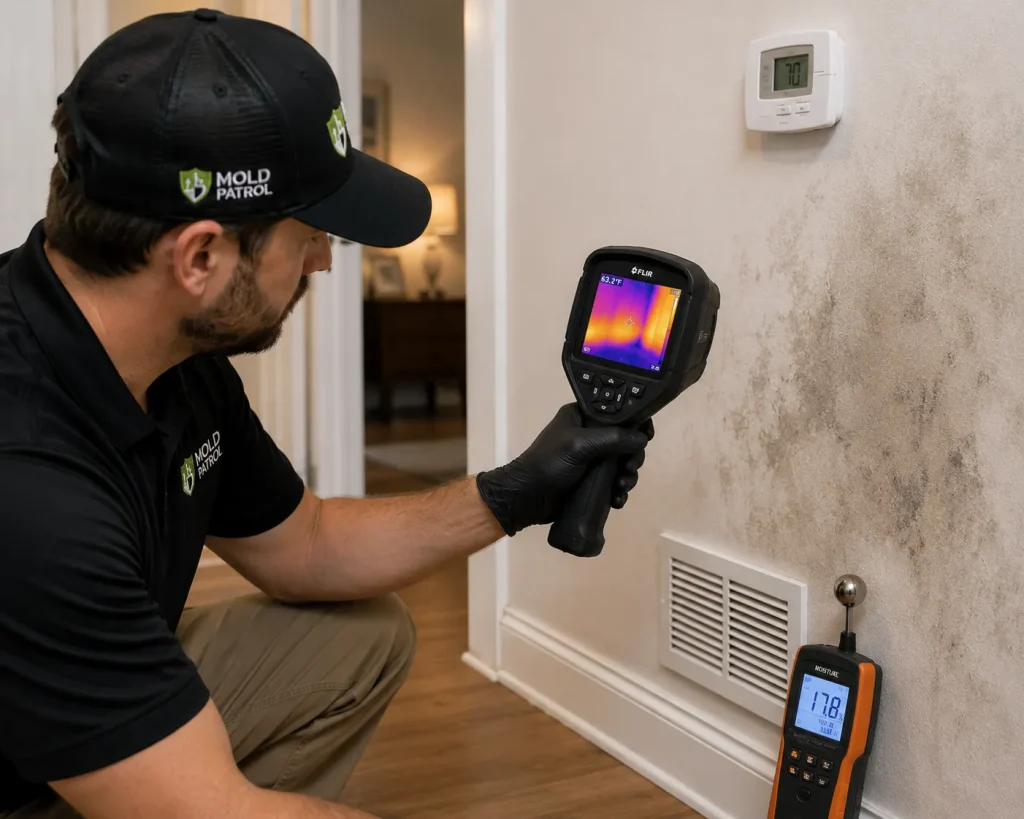
Every property is different, so our assessment starts with the situation in front of us — not a one-size-fits-all checklist.
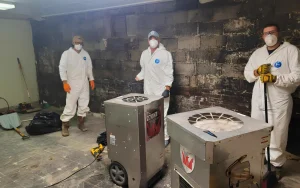
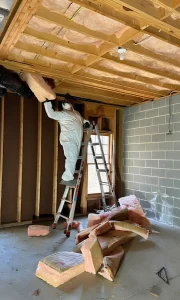
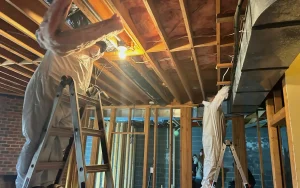
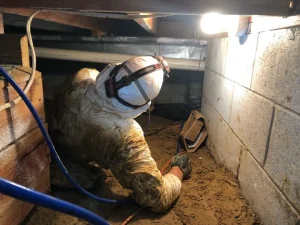
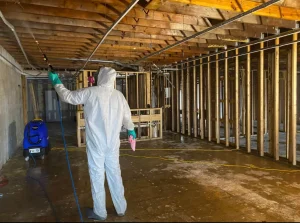
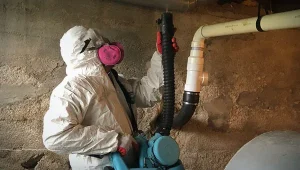
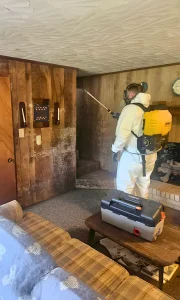
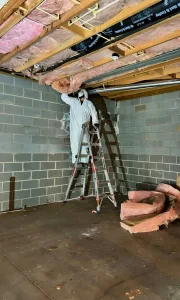
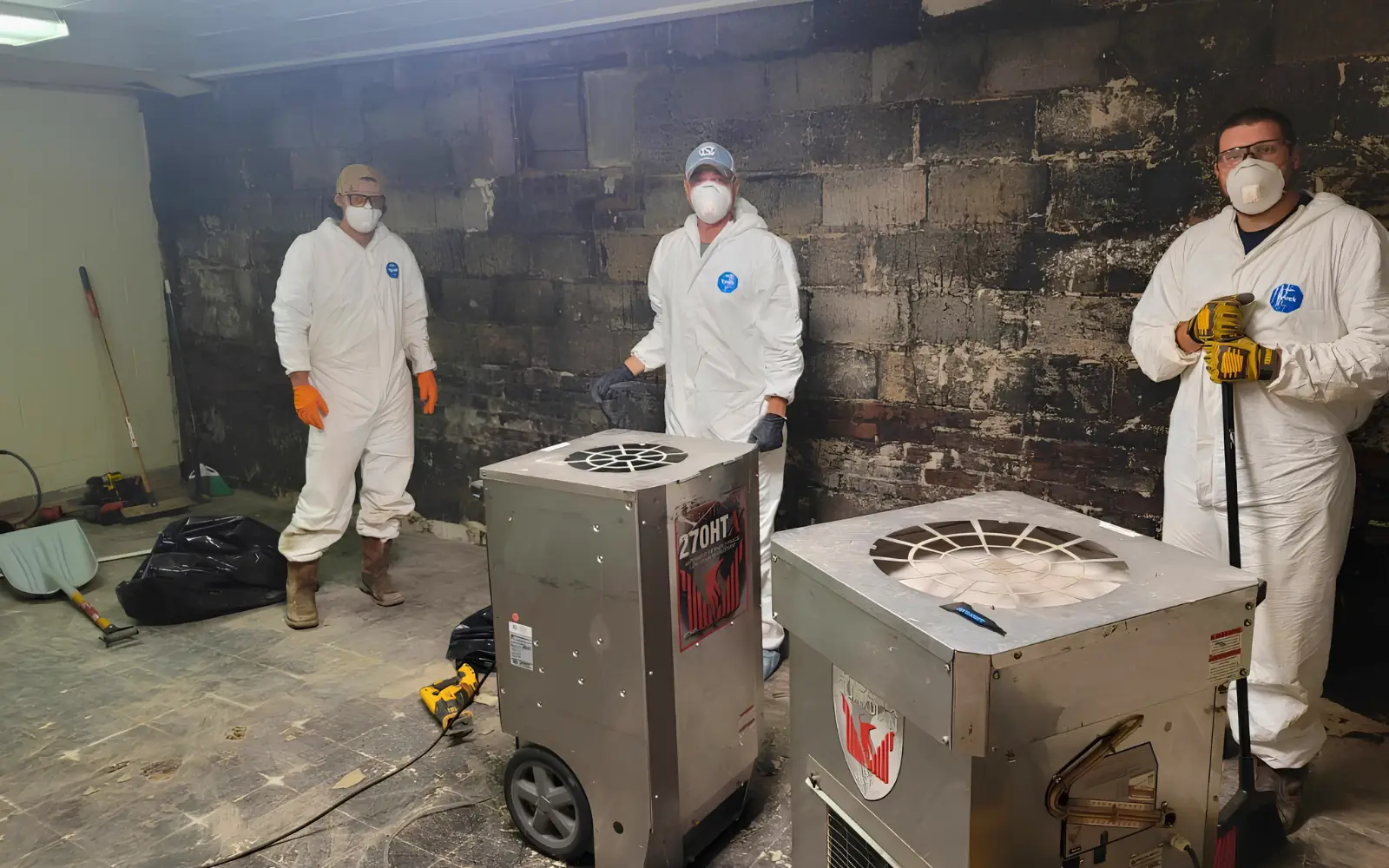
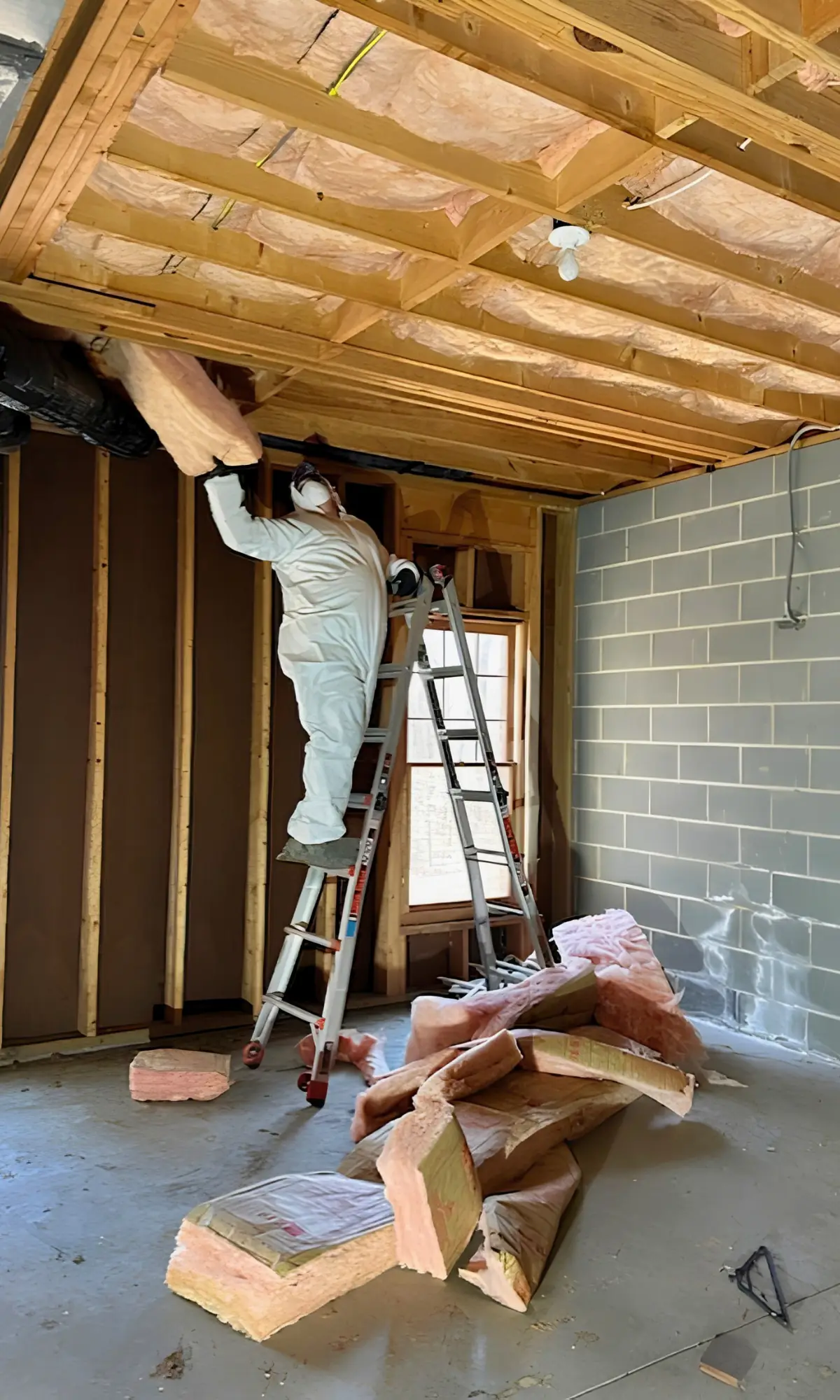
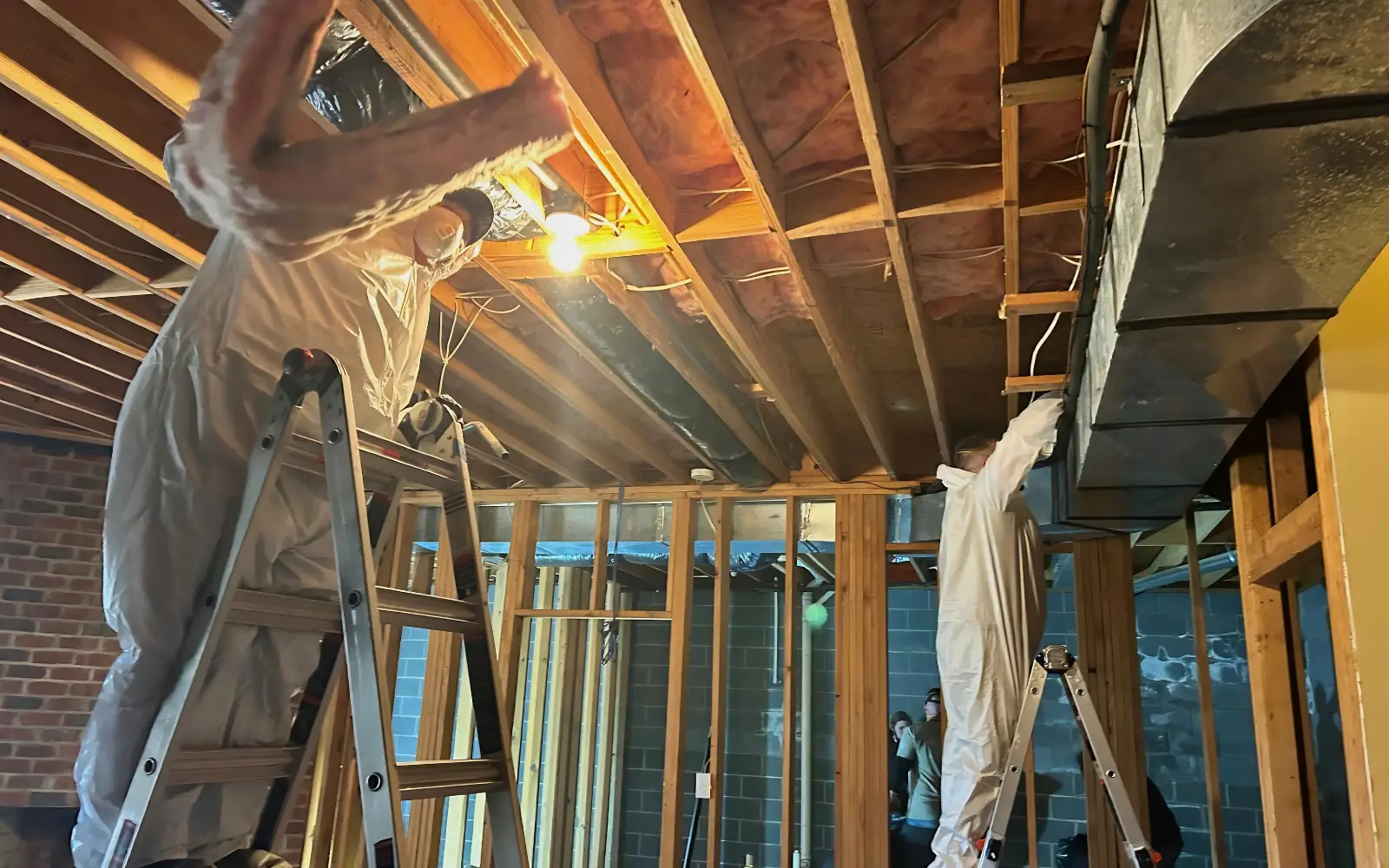
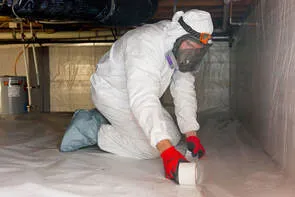


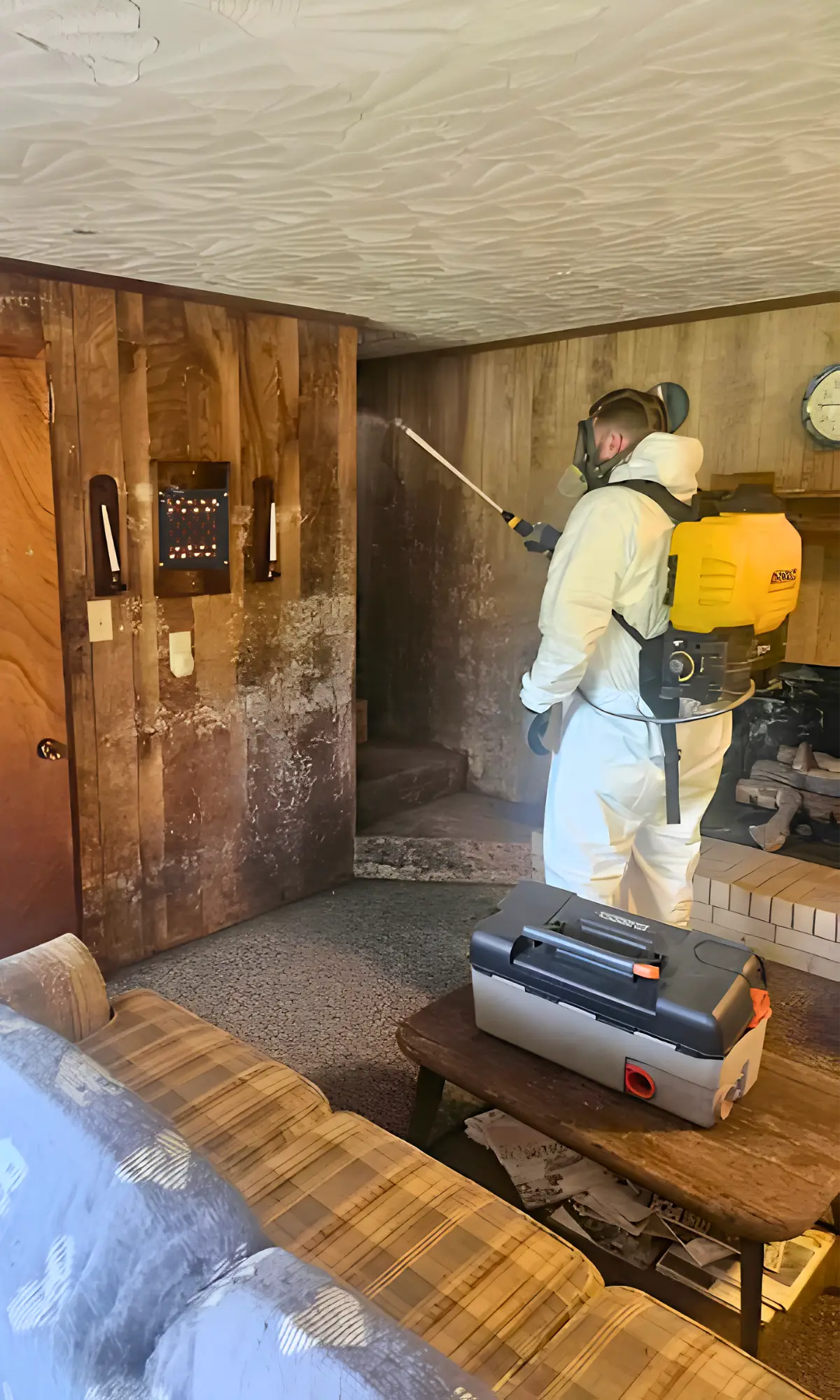
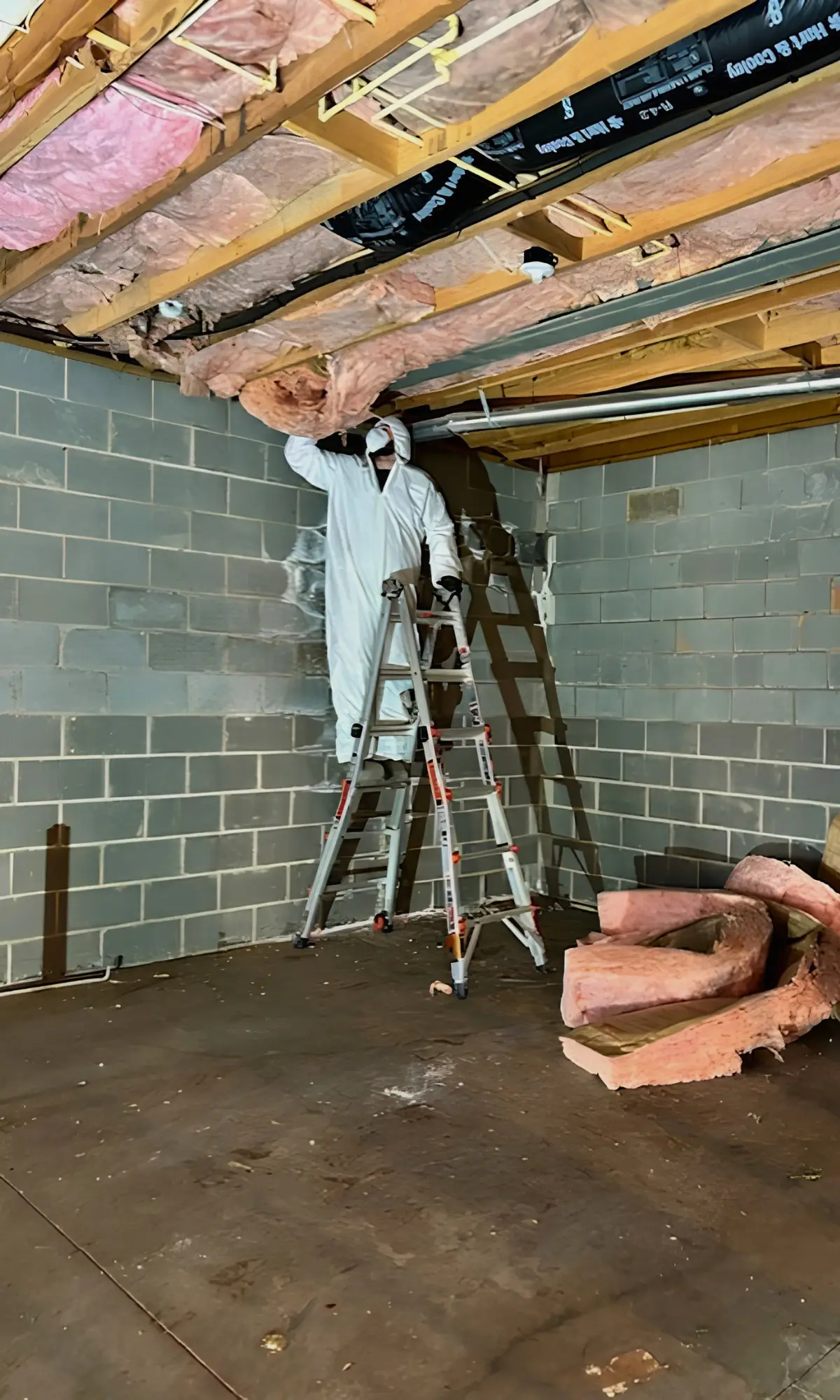
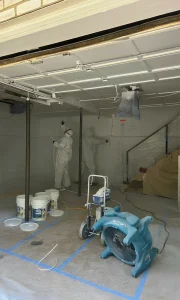
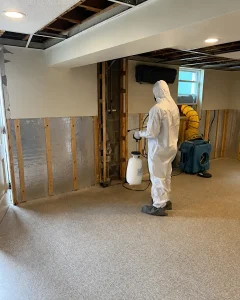
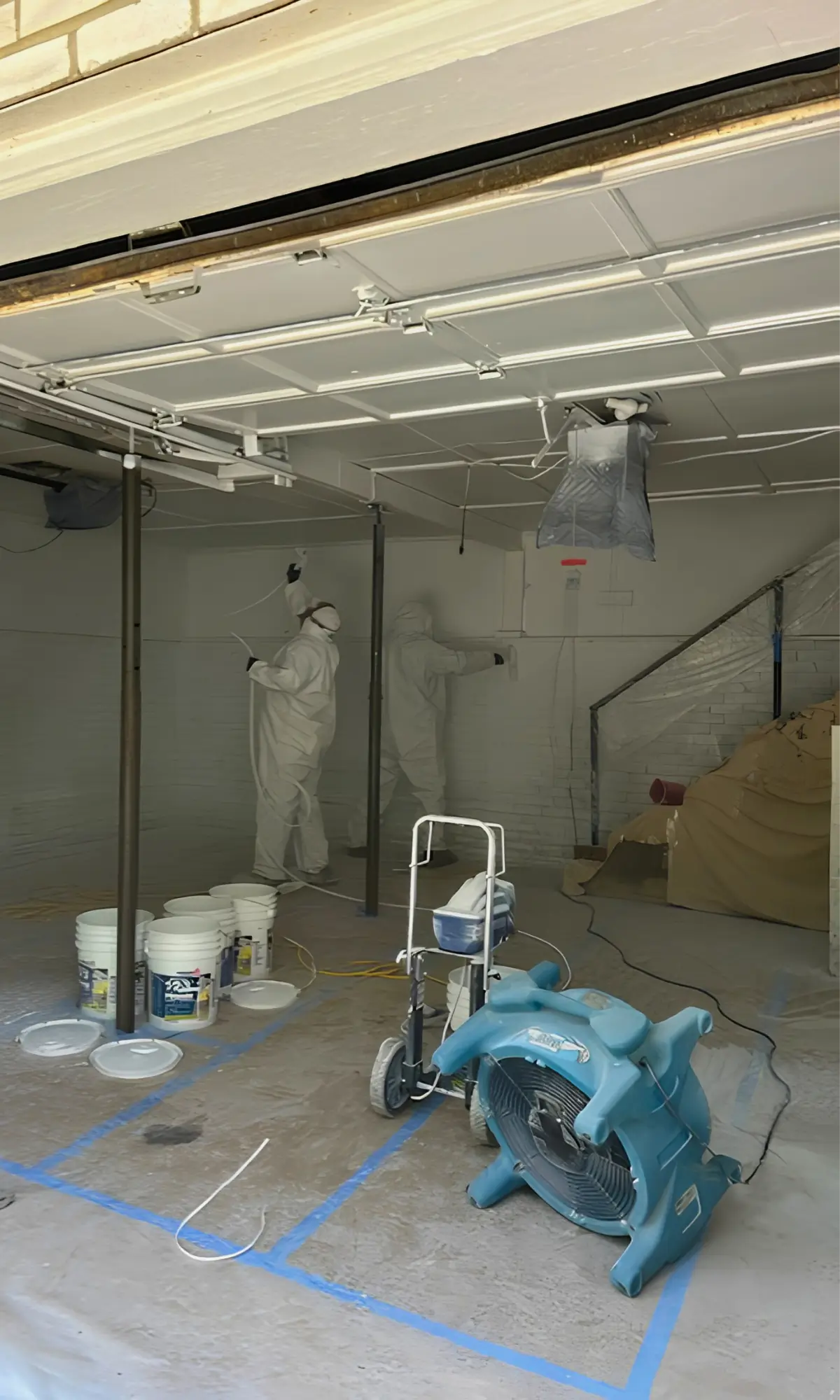

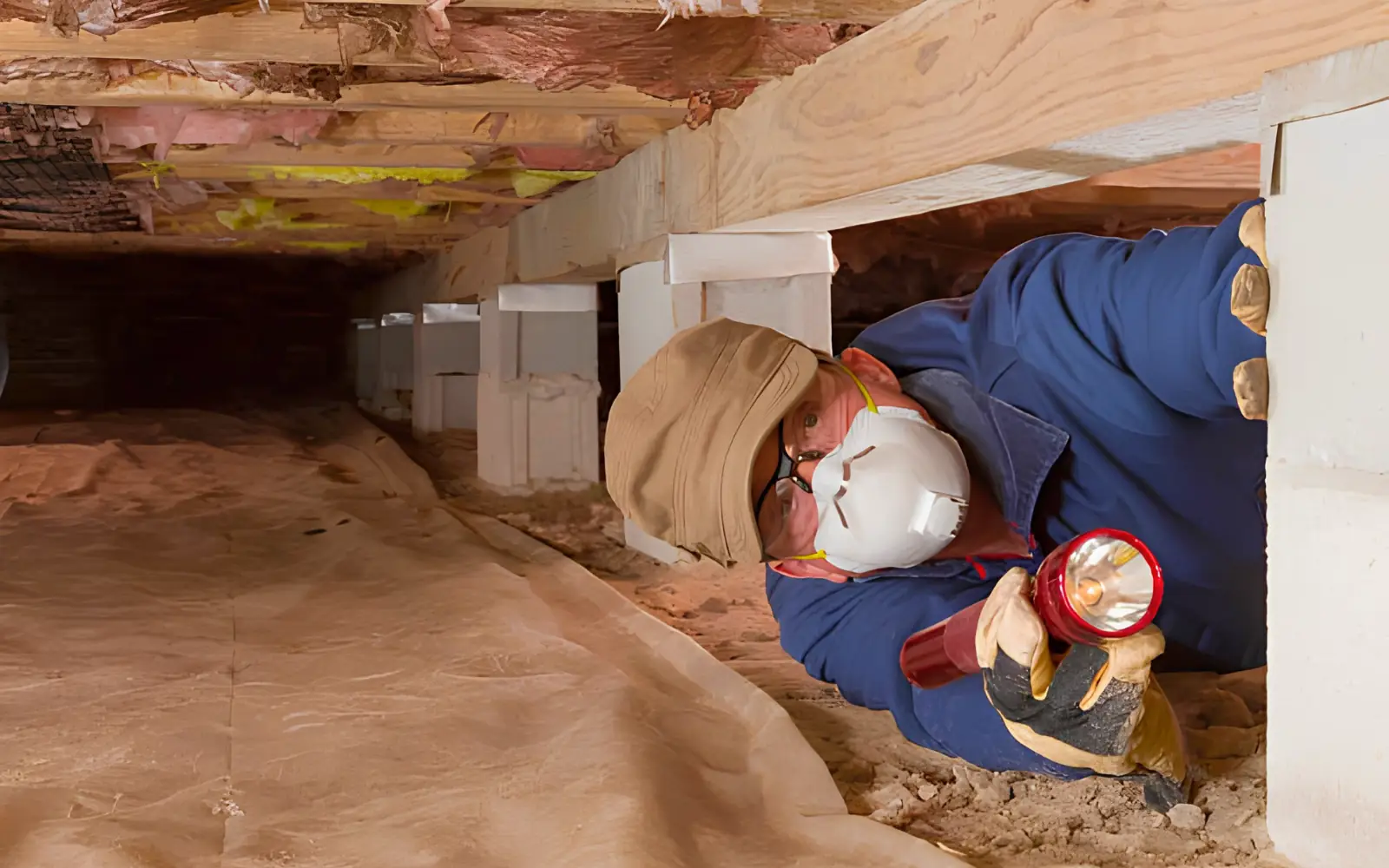
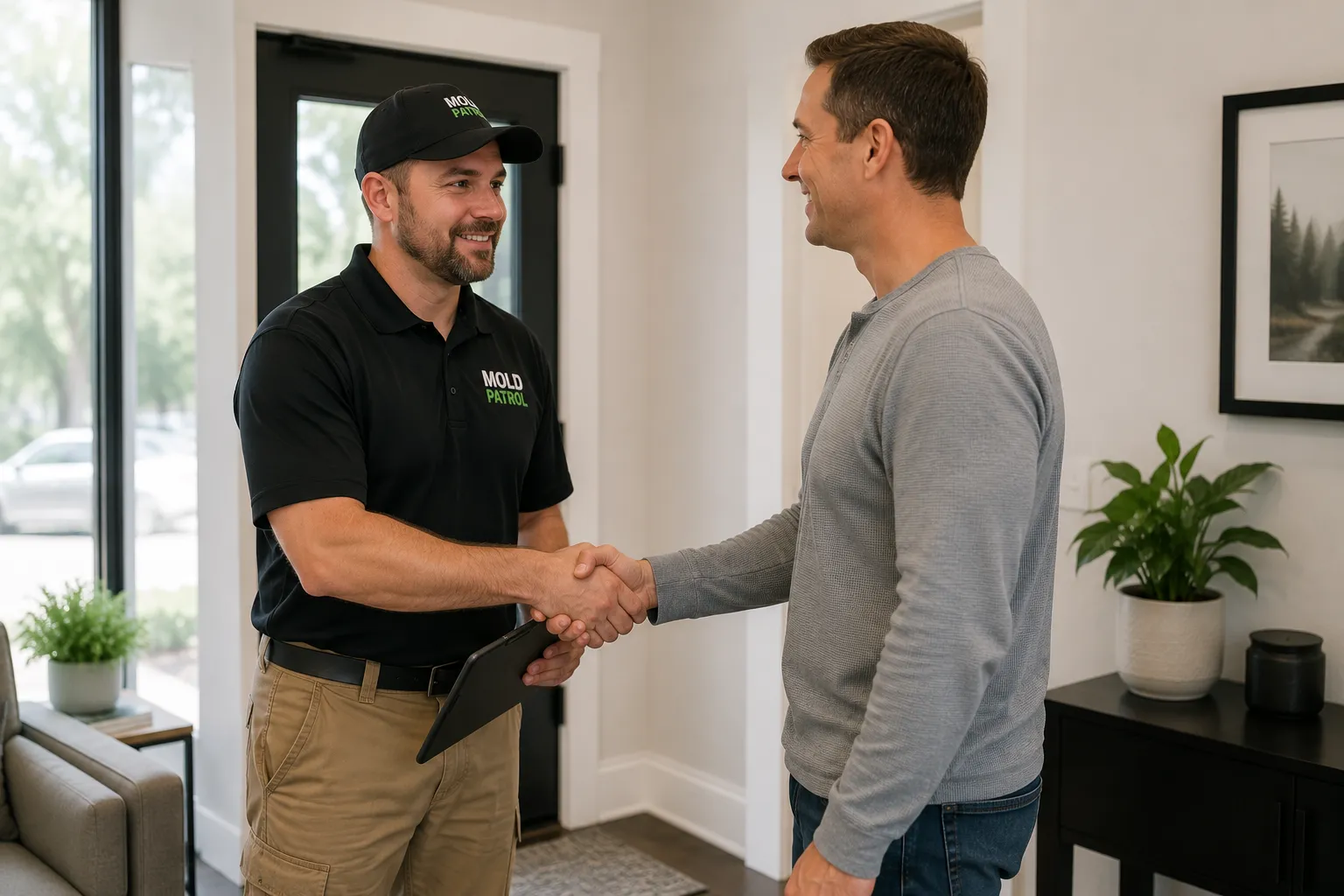
☝️ Real Mold Patrol remediation work across North Carolina homes and businesses.
Indoor Air Quality Mold Testing
Indoor air quality mold testing can be helpful when the concern isn’t fully visible or when documentation is needed.
Air sampling may help evaluate airborne mold spores or particles in the indoor environment. Surface sampling may help identify growth or suspected contamination on a specific material. In some cases, testing may be useful before remediation, after remediation, or when a property manager, buyer, seller, or sensitive occupant needs clearer documentation.
But testing has to be used correctly.


A lab result can provide information, but it doesn’t automatically explain the moisture source, the history of the building, the extent of hidden growth, or the best next step. That’s why Mold Patrol interprets testing alongside inspection findings, moisture conditions, and the overall building context.
We also don’t use mold testing as a medical diagnosis. If you’ve health concerns, testing results may be useful information to discuss with a qualified healthcare provider, but they can’t tell you whether mold is causing a specific condition.
The goal of air quality mold testing is simple: gather useful information that helps you make a better decision.
Why Air Purifiers Alone May Not Solve the Problem
Air purifiers, filters, dehumidifiers, and HVAC upgrades can be helpful tools in the right situation. But they’re not magic wands.
An air purifier may help reduce some particles in the air, but it won’t fix an active leak. A filter change won’t remove mold-damaged drywall. A dehumidifier may help with humidity, but it won’t solve a drainage issue, contaminated crawl space, or hidden growth behind cabinets.
That’s why Mold Patrol looks for the source first.
If mold or moisture is affecting indoor air quality, the answer is usually not just “clean the air.” The real question is: what’s feeding the problem?
Once that’s understood, the right solution may include remediation, moisture control, HVAC cleaning or evaluation, crawl space corrections, ventilation improvements, or a combination of steps.
Clean air starts with a cleaner, drier, better-understood building.
Related Services
Mold problems can show up in different parts of a home or building. Depending on your needs, you may find one of the below services a good fit.
Mold Inspection & Testing
If you’re not sure whether mold is present, an inspection can help identify visible growth, hidden moisture, and testing needs. Testing may be useful when documentation, air sampling, or confirmation is needed.

Mold Remediation
When mold contamination is confirmed, remediation may be the next step. Mold Patrol provides controlled mold remediation designed to remove affected materials, clean contaminated areas, and address the conditions that allowed growth.

HVAC Mold Remediation
Mold near vents, air handlers, returns, or ductwork can affect how air moves through the property. We evaluate HVAC-adjacent mold concerns and recommend practical next steps.
Crawl Space Mold Removal
Crawl spaces can influence the air above them, especially when humidity, vapor barrier problems, insulation issues, or drainage concerns are present.

Moisture control
Moisture is usually the reason mold grows in the first place. We help identify moisture sources and recommend steps to reduce the chance of recurring problems.

Commercial mold Remediation
Business owners often need clear answers, reliable communication, and a remediation plan that addresses both visible mold and the underlying moisture conditions causing it.
Why Choose Mold Patrol for Indoor Air Quality Concerns?
Choosing someone to evaluate indoor air quality isn’t just about collecting samples or selling equipment. It’s about understanding how the building is behaving.
Mold Patrol specializes in mold, moisture, and indoor air quality. We provide assessments, inspections, testing support, and remediation protocols for clients who want clear answers and practical next steps.
We don’t treat indoor air quality as a product problem first. We treat it as a building problem first.
That means we look for moisture, hidden mold, crawl space conditions, HVAC-adjacent concerns, ventilation issues, and the patterns that may explain why the air feels musty, stale, or irritating.
We also explain what we’re seeing in plain English. You won’t be talked down to, buried in jargon, or pushed toward testing or services that don’t make sense for your situation.
Mold and indoor air quality concerns can feel overwhelming. Our job is to make the next step feel manageable.
Indoor Air Quality Service Areas
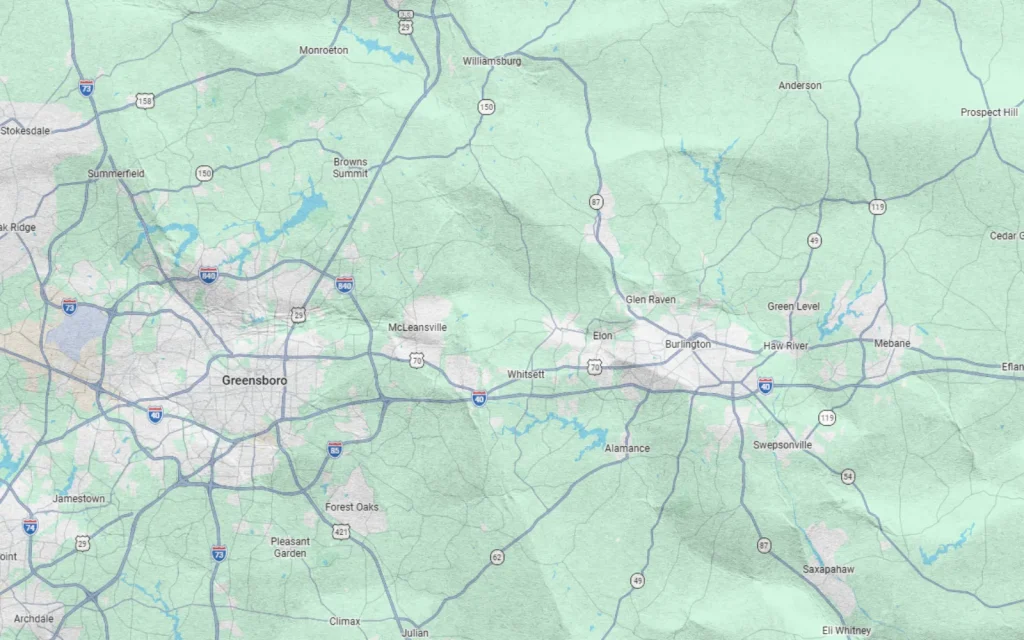
Mold Patrol provides indoor air quality services in Burlington, Greensboro, Alamance County, Guilford County, and nearby North Carolina communities.
If you’re concerned about mold and indoor air quality in your home, rental property, or commercial building, we can help you evaluate likely mold, moisture, and building-related factors.
Call 0123456789 to ask about service in your area.
Indoor Air Quality FAQs
Schedule an Indoor Air Quality Assessment
If your home smells musty, feels damp, has recurring mold, or simply doesn’t feel right, Mold Patrol can help you figure out what may be affecting the indoor environment.
Call 0123456789 to schedule an indoor air quality assessment.
Prefer to start online? Fill out the contact form and upload photos of any visible mold, staining, moisture damage, or areas of concern. We’ll help you find the next right step.
