
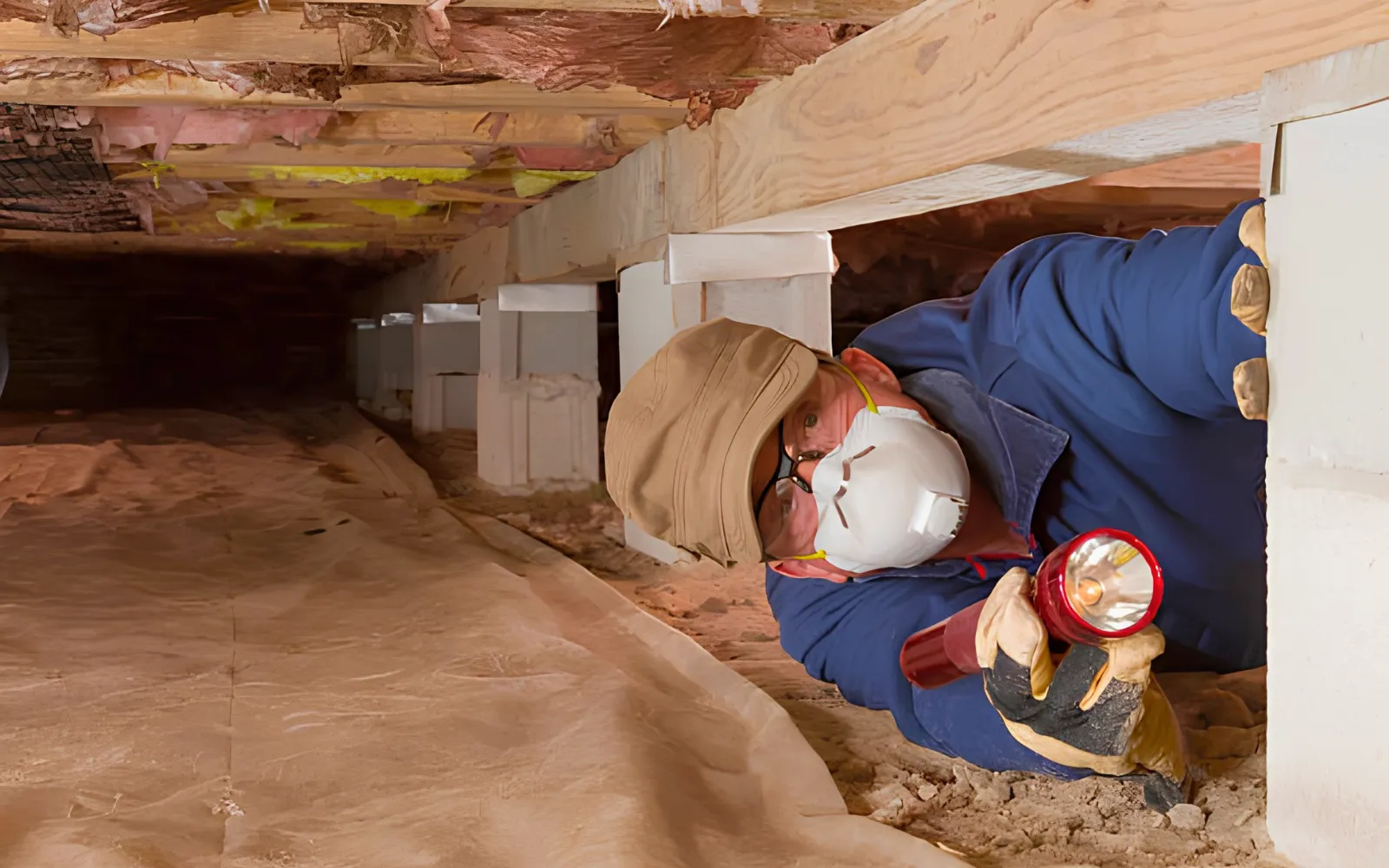
Crawl Space Mold Removal in North Carolina
If mold is growing beneath your home, cleaning the visible growth is only part of the job. The moisture conditions underneath need to be addressed too.
Mold Patrol provides crawl space mold removal and crawl space mold remediation for homeowners, property managers, and commercial clients across Burlington, Greensboro, and nearby North Carolina communities.
5-Star Rated • Certified Mold Specialists • Burlington & Greensboro

We are not here to scare you, rush you, or slap a surface-level fix on a deeper issue.
Crawl spaces are common trouble spots in our climate. Humidity, poor vapor barriers, wet insulation, drainage issues, and hidden leaks can all create conditions where mold grows on wood, insulation, subflooring, and other materials beneath the home.
Call 0123456789 to schedule a crawl space mold assessment.
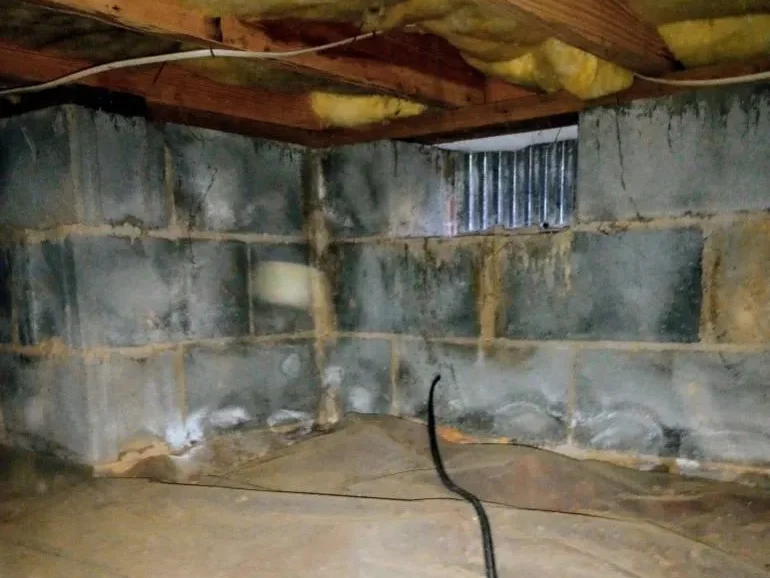
The Mold Problem You May Not See Every Day
Most homeowners do not spend much time in their crawl space. Fair enough – it’s not exactly the room you show guests after dinner.
But because crawl spaces are out of sight, mold and moisture problems can develop for a while before anyone notices. Sometimes the first clue isn’t what you see underneath the house. It’s what you smell upstairs.
A musty odor, damp-feeling rooms, cupping hardwood floors, sagging insulation, or higher indoor humidity may all point back to the crawl space.
That doesn’t mean every crawl space issue is a disaster. But it does mean the space deserves a closer look.

Mold Patrol helps you understand whether there is mold in the crawl space, what moisture conditions may be feeding it, and what needs to happen next. The goal isn’t to cause panic. The goal is clear answers and a practical plan.
Signs of Mold in a Crawl Space
Crawl space mold can be easy to miss if you do not know what to look for. Sometimes it’s obvious growth on joists or subflooring. Other times, the signs show up inside the home before giving any indication below the floor.
You may need a crawl space mold inspection if you notice:
- A recurring musty smell inside the home
- Visible mold growth on joists, beams, or subflooring
- White, black, green, or gray growth on wood surfaces
- Sagging, wet, or fallen insulation
- High humidity under the home
- Condensation on pipes, ducts, or framing
- Standing water or damp soil
- A torn, missing, or poorly installed vapor barrier
- Cupping or warping hardwood floors
- Pest activity or wood damage
- Mold returning after previous cleanup
- Crawl space odors near vents, closets, or floor openings

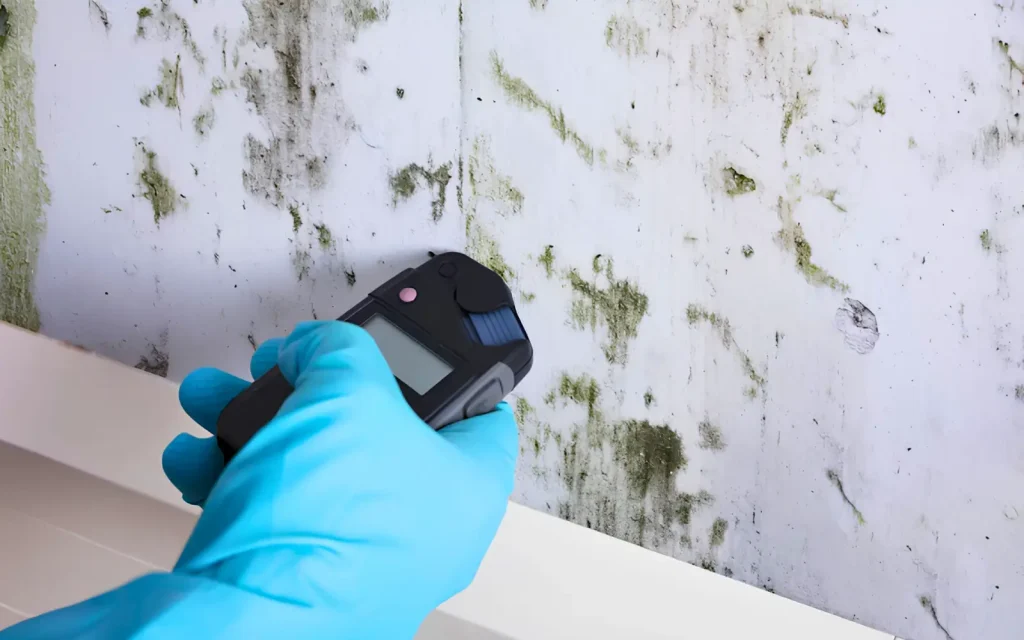
These signs don’t always mean the entire crawl space needs major work. But they do mean something is allowing moisture to collect where it should not.
And where moisture sticks around, mold tends to invite itself in.
Why Crawl Space Mold Happens
North Carolina crawl spaces experience a lot of humidity.
In many homes, warm damp air enters through vents, gaps, loose access doors, exposed soil, or poorly sealed areas. When that air meets cooler surfaces under the home, condensation can form. Over time, that moisture can support mold growth on wood framing, subflooring, insulation, and other organic materials.
Poor vapor barriers are another common issue. A thin, torn, missing, or badly installed vapor barrier may allow ground moisture to rise into the crawl space. Standing water, drainage problems, plumbing leaks, HVAC condensation, and wet insulation can add even more moisture to the space.
Once humidity stays elevated, cleaning visible mold without correcting the conditions is usually temporary. The mold may be removed, but the crawl space is still set up for the same problem to return.

Crawl spaces can also influence the home above. Air can move from the crawl space into the living area through gaps, penetrations, duct leaks, and natural pressure differences. That’s one reason musty crawl space odors can show up inside the house.
Mold Patrol looks for the moisture source before recommending a fix.
If the cause is ignored, the cleanup is just buying time, and usually not as much as you’d think.
We stand behind our work 100%
Most remediation companies will give you vague promises or wishful thinking when you ask about whether the mold will return.
That’s not how we work.
We back our work with a 100% guarantee. That means that if the mold comes back and you’ve followed our post-remediation recommendations, we’ll come back and fix the issue completely free of charge.
We believe you should only need to hire a remediator once.
With us, that’s exactly what happens.
Our Crawl Space Mold Inspection Process
Every crawl space mold job starts with understanding what is happening under the home and why.
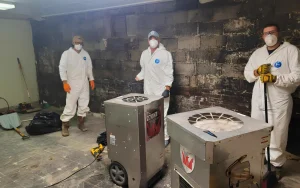
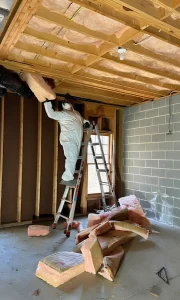
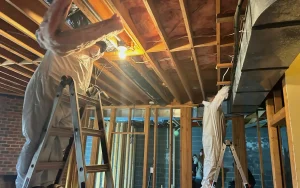
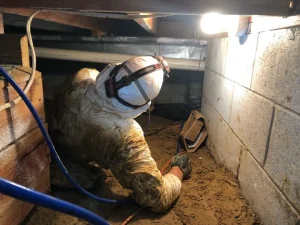
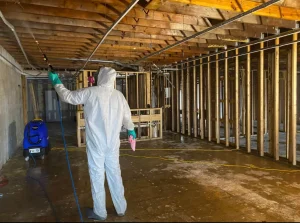
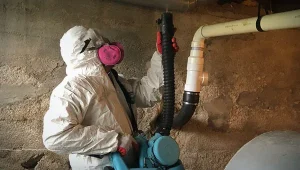
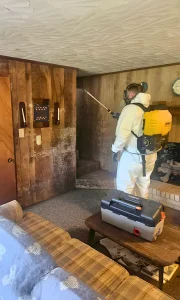
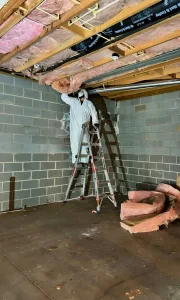
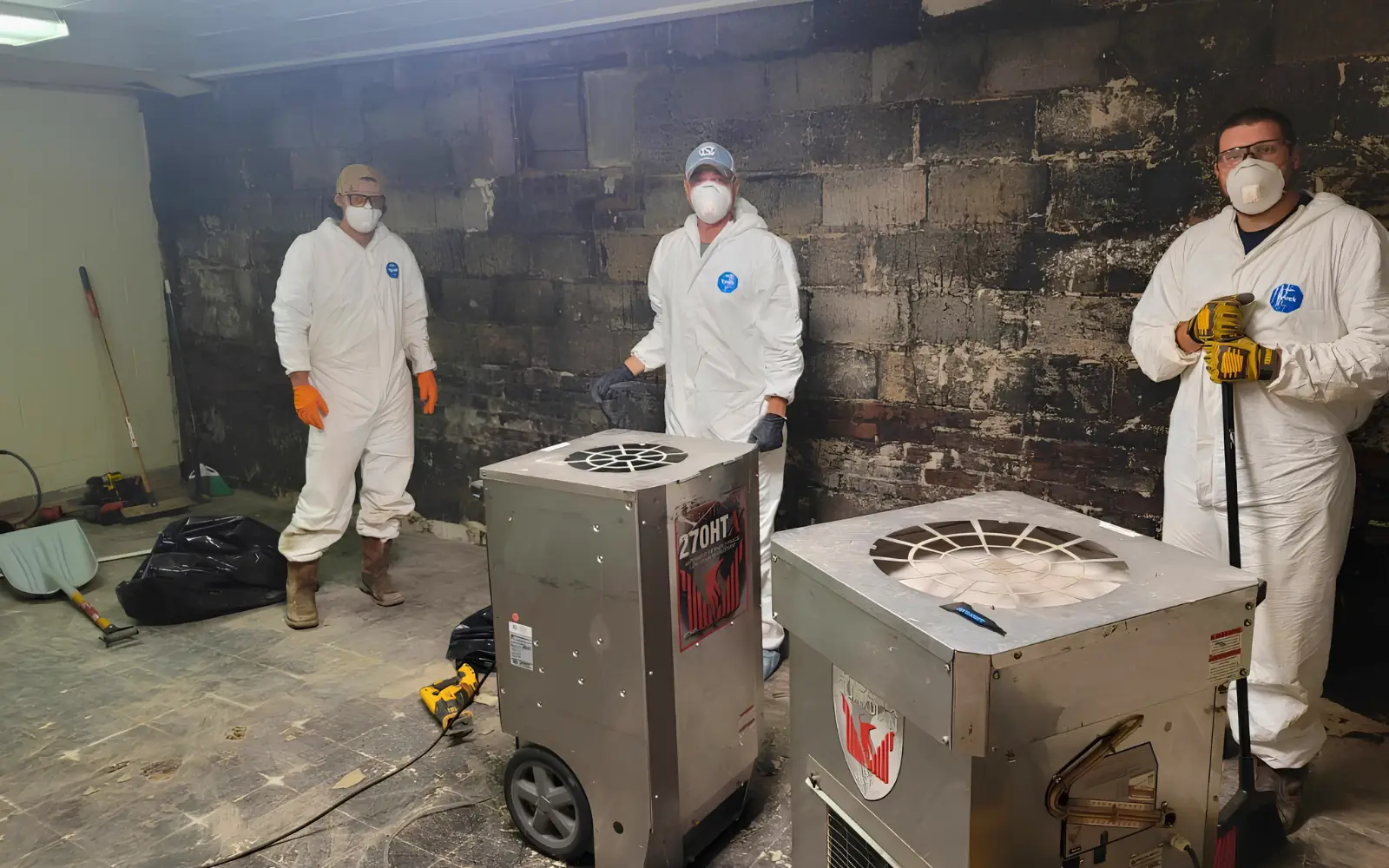
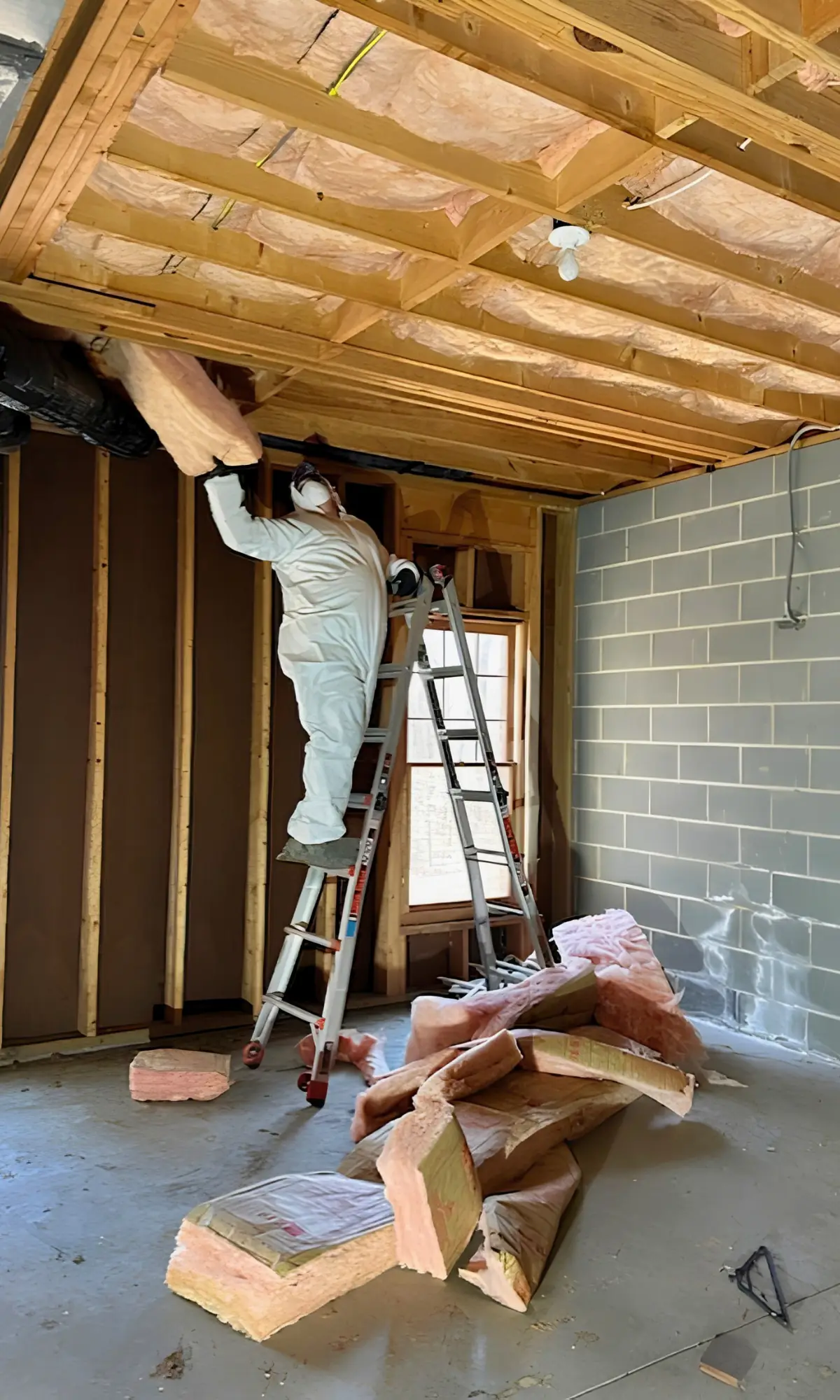
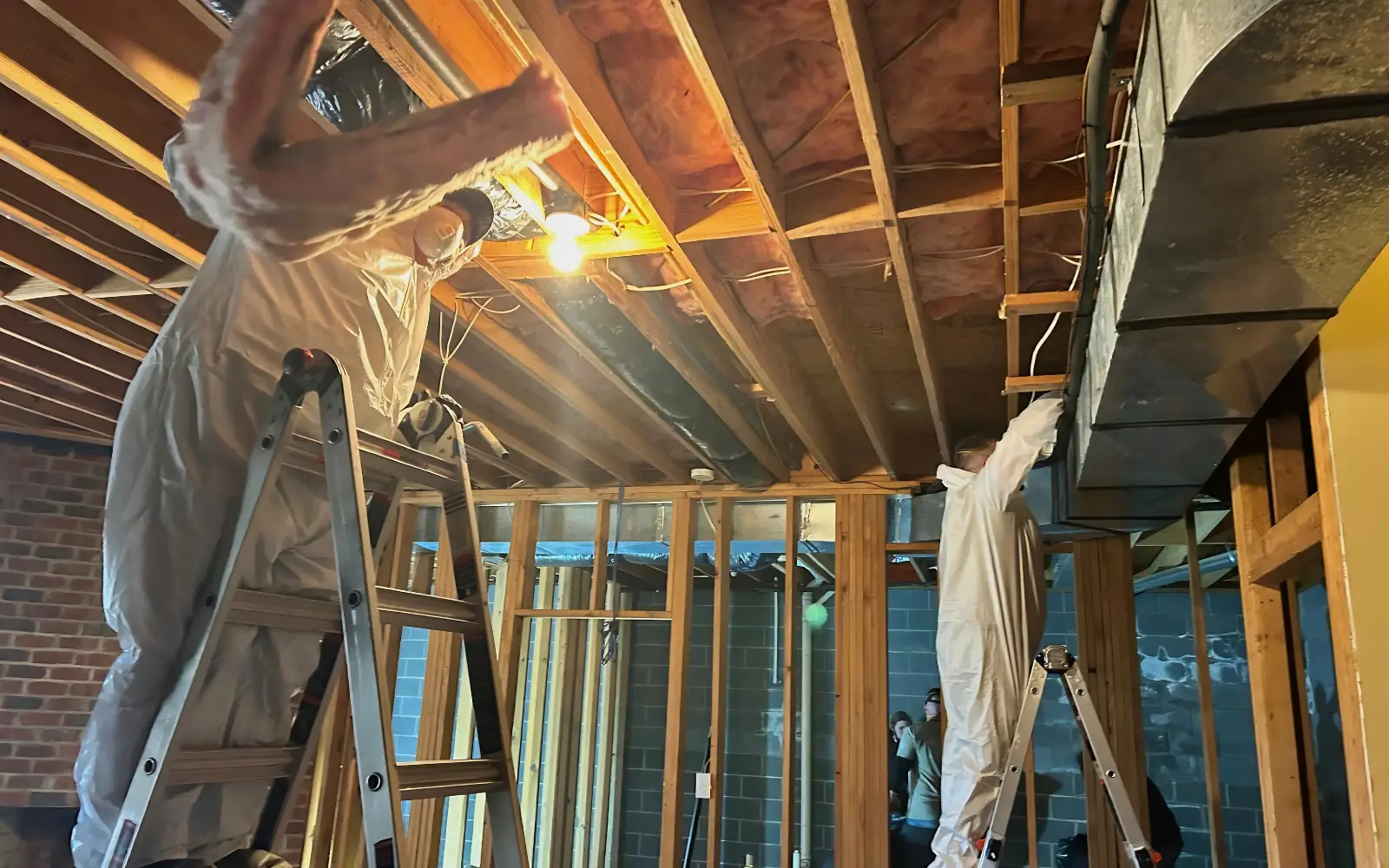


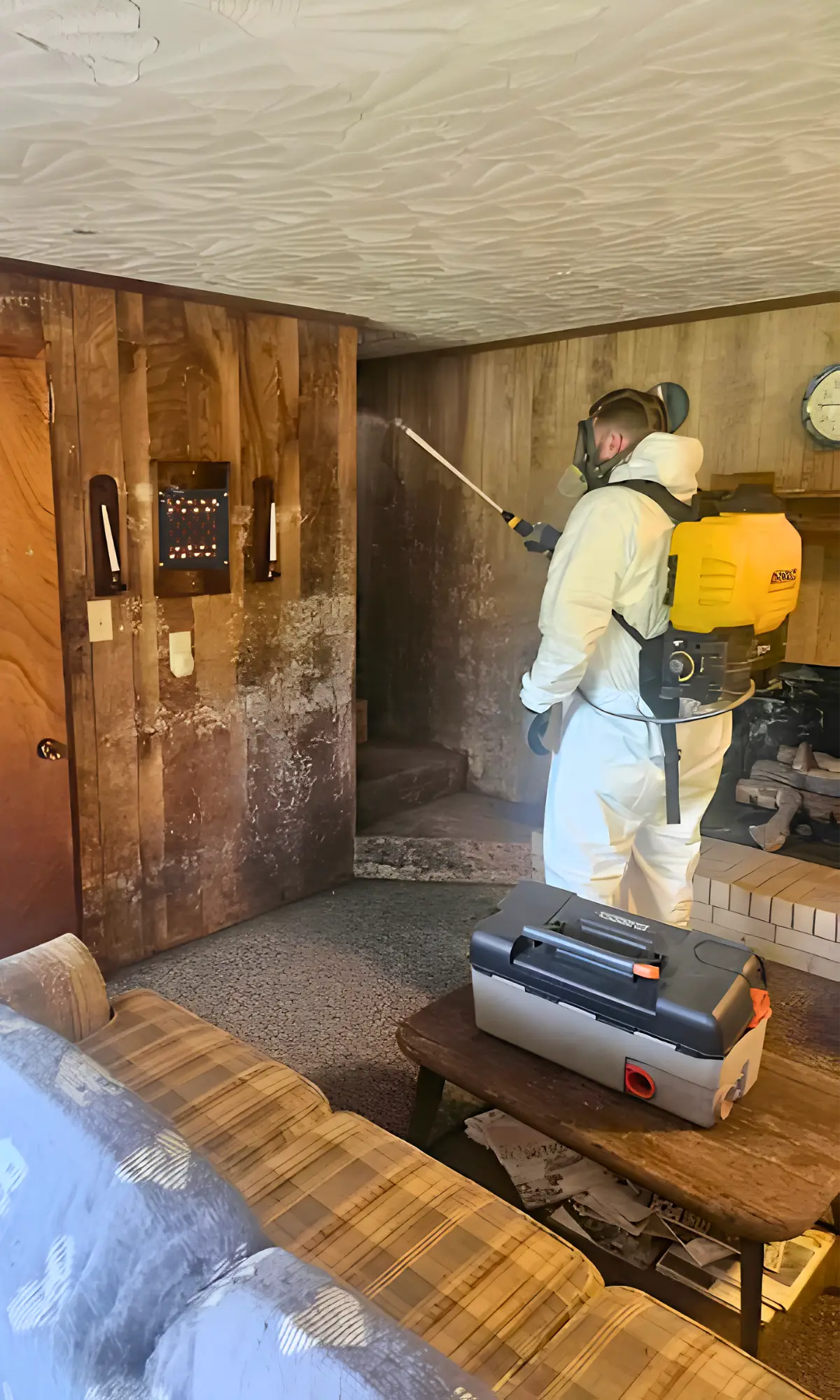
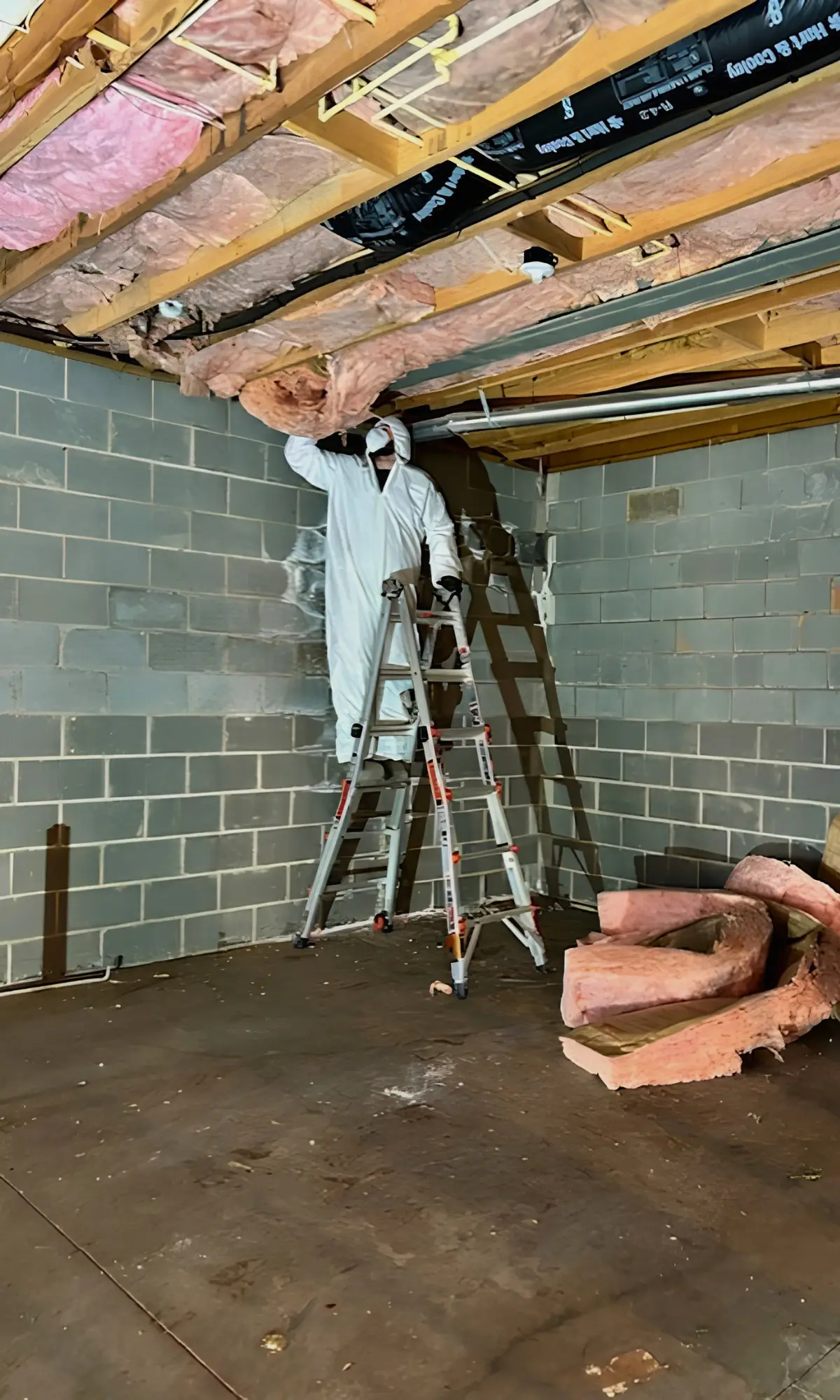
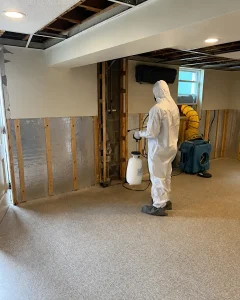
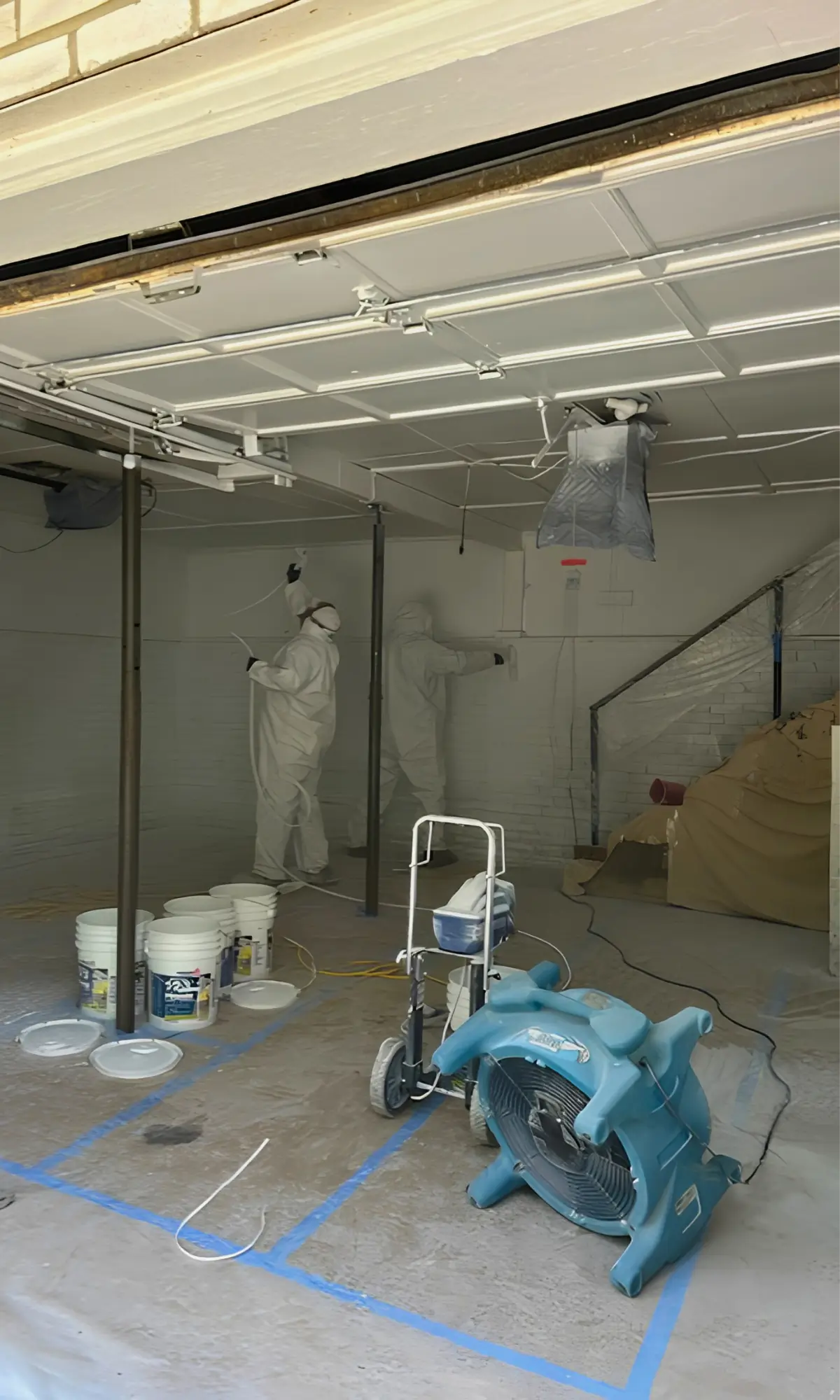

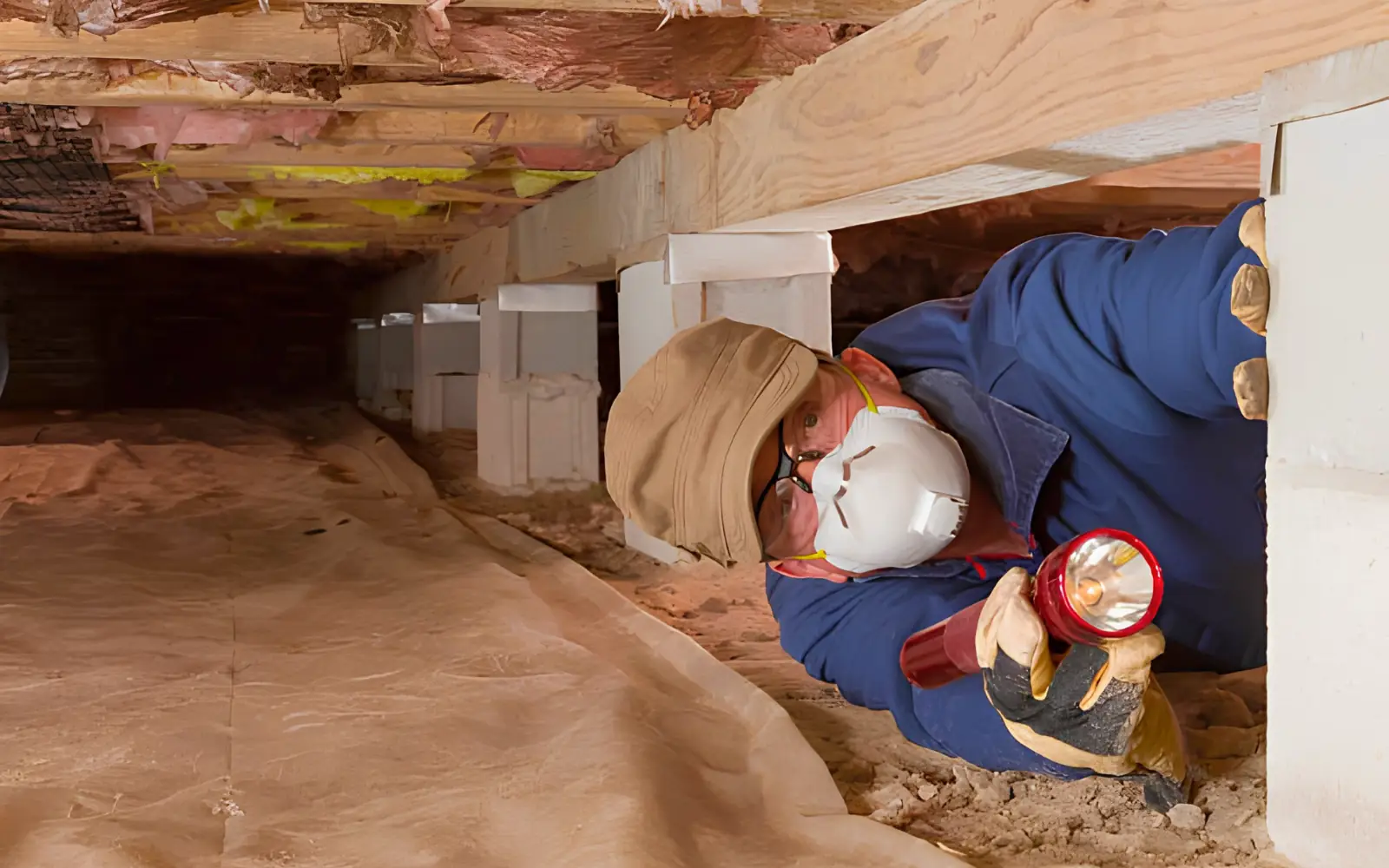
☝️ Real Mold Patrol remediation work across North Carolina homes and businesses.
Crawl Space Mold Removal & Remediation
Crawl space mold remediation needs to be handled as more than a surface cleaning job. The space may be tight, dirty, damp, and connected to the home above, so the work needs to be controlled and practical.
Depending on the condition of the crawl space, Mold Patrol may remove affected insulation, debris, or contaminated materials that cannot be properly cleaned. Exposed wood, framing, joists, beams, and subflooring may be HEPA vacuumed, cleaned, treated, or sealed according to the project needs.
A crawl space mold treatment may include antimicrobial application, mold inhibitor, or sealant where appropriate. The goal is to reduce contamination and help create conditions that are less likely to support regrowth.


But treatment is only part of the job.
If moisture is still entering the crawl space, the problem can return. That’s why we may recommend vapor barrier repair or replacement, insulation correction, drainage improvements, dehumidification, sealing obvious air gaps, or other moisture-control steps.
We also pay attention to the home above the crawl space. If HVAC ducts, returns, floor penetrations, or indoor air quality concerns are involved, those factors may need to be considered as part of the larger plan.
At the end of the work, you should understand what was done, what conditions need to be maintained, and what to watch for moving forward.
The end result is a drier, healthier, better-controlled space under your home.
Why Mold Removal Alone Is Not Enough
Removing visible mold from a crawl space can make a big difference. But if the humidity stays high, the ground stays damp, or the vapor barrier is still failing, the crawl space is still sending mold an invitation.
That’s why cheap “spray and go” work often disappoints.
A vapor barrier can help, but it must be appropriate for the conditions. A dehumidifier can help, but only when the space is set up for it to work properly. Encapsulation may be the right answer for some homes, but not every crawl space needs the same package.
Mold Patrol doesn’t do one-size-fits-all crawl space fixes. We look at what is actually causing the problem and recommend the combination of remediation and moisture control that makes sense.

Crawl Space Mold and Indoor Air Quality

Crawl space mold is not always confined to the crawl space.
Air can move from beneath the home into living areas through gaps around plumbing, wiring, ductwork, subfloor penetrations, and natural pressure differences. This is sometimes why a home smells musty even when there is no obvious mold upstairs.
If ductwork or HVAC equipment is located in the crawl space, the connection can be even more important. Leaky ducts, poor insulation, humidity, and contaminated crawl space conditions may all affect how the home feels and smells.
Some clients are also dealing with allergies, respiratory concerns, mold sensitivity, CIRS concerns, or mycotoxin worries. Mold Patrol does not diagnose medical conditions, but we do take indoor environmental concerns seriously.
If the crawl space is affecting the air above it, the solution needs to consider both the space under the home and the people living in it.
Related Mold Remediation Services
Mold problems can show up in different parts of a home or building. Depending on your needs, you may find one of the below services a good fit.
Mold Inspection & Testing
If you are not sure whether crawl space growth is mold, inspection and testing can help clarify the issue. Testing may be useful when documentation, indoor air quality concerns, or hidden contamination are involved.

Indoor Air Quality
Musty odors, crawl space air movement, humidity, and mold concerns can affect the air inside the home. We evaluate mold and moisture issues that may be influencing indoor air quality.

HVAC Mold Remediation
If ductwork, returns, air handlers, or HVAC equipment are located in or near the crawl space, HVAC mold concerns may need to be evaluated as part of the larger plan.
Mold Remediation
When mold is present beyond the crawl space or connected to interior materials, controlled mold remediation may be needed. We remove contamination carefully and address the conditions that allowed it to grow.

Moisture control
Crawl space mold usually starts with moisture. We help identify humidity, drainage, vapor barrier, ventilation, and dehumidification needs so the same problem is less likely to return.

Commercial Mold Remediation
Mold in commercial properties involves extra considerations to minimize disruption and complaints. We work with business owners, property managers and landlords across NC to remove and prevent mold growth.
Why Choose Mold Patrol?
Mold Patrol specializes in mold, moisture, and indoor air quality. Crawl spaces are one of the most common places those issues come together.
We do not treat every crawl space as the same problem. One home may need mold removal and vapor barrier repair. Another may need insulation removal, dehumidification, drainage improvements, or a deeper look at air movement and HVAC connections.
Our job is to inspect carefully, explain clearly, and recommend what makes sense for the property.
We provide assessments, inspections, testing support, and full remediation protocols for clients who want more than a quick spray job. We are built around quality over quantity, careful work, and practical communication.
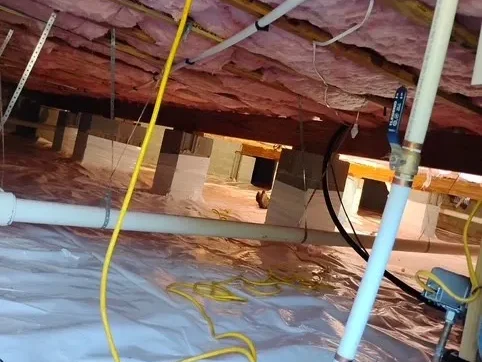
On qualifying work, Mold Patrol may offer warranty protection when conditions are maintained according to the project protocol. That means your crawl space mold removal won’t be a recurring bill every few years.
When you call us, you aren’t just hiring someone to crawl under the house. You’re getting a team that understands why the mold is there and what it takes to help keep it from coming back.
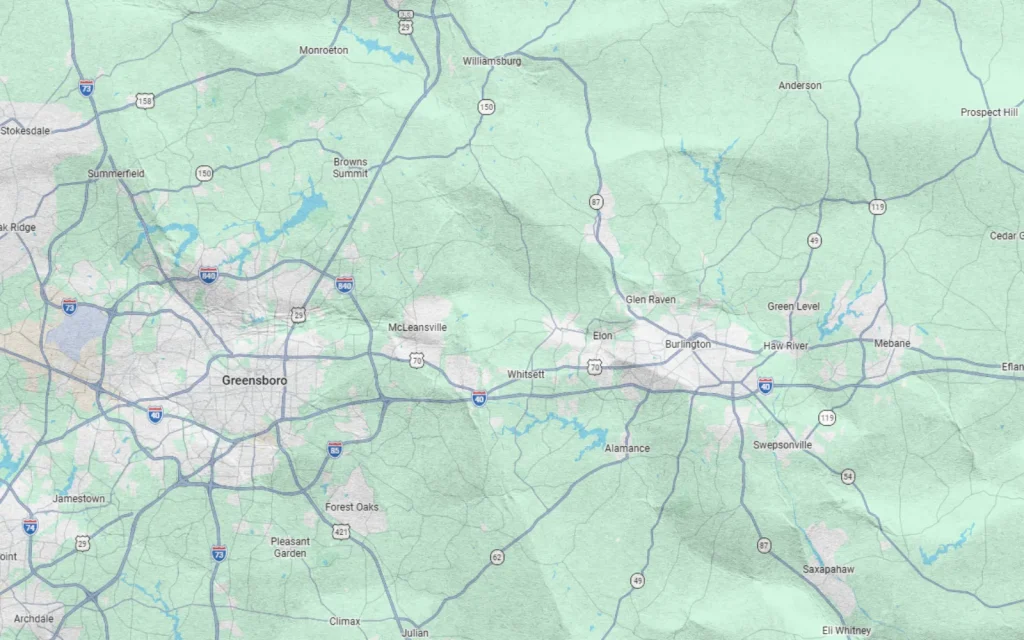
Crawl Space Mold Removal Service Areas
Mold Patrol provides crawl space mold removal in Burlington, Greensboro, Alamance County, Guilford County, and nearby North Carolina communities.
If you are looking for crawl space mold removal in Greensboro NC or crawl space mold remediation in Burlington NC, we can help evaluate mold, moisture, insulation, vapor barrier, and indoor air quality concerns beneath your home.
Call 0123456789 to ask about service in your area.
Mold Remediation FAQs
Schedule a Crawl Space Mold Assessment
If you smell musty odors, see visible growth under the home, notice damp insulation, or suspect crawl space moisture problems, Mold Patrol can help you figure out what is going on.
Call 0123456789 to schedule a crawl space mold assessment.
Prefer to start online? Fill out the contact form and upload photos if the area is safe to access. We will help you find the next right step.
