

Commercial Mold Remediation in North Carolina
When mold affects a commercial property, you need more than a quick cleanup. You need a clear plan, careful communication, and remediation work that protects people while limiting unnecessary disruption.
Mold Patrol provides commercial mold remediation for property managers, landlords, business owners, commercial property owners, and facilities teams across Burlington, Greensboro, and nearby North Carolina communities.
5-Star Rated • Certified Mold Specialists • Burlington & Greensboro

Whether you’re dealing with tenant complaints, musty odors, visible growth, water damage, or indoor air quality concerns, our job is to help you understand what is happening and what needs to happen next.
Call 0123456789 to schedule a commercial mold assessment.

Mold Problems Are Different in Commercial Properties
Mold in a commercial property creates a different kind of pressure.
At home, mold is stressful. In a business, rental property, office, or managed building, it can also affect operations, tenant relationships, employee confidence, customer experience, and your ability to keep the business moving.
Maybe someone has reported a consistent musty smell or maintenance found visible growth after a leak. Maybe a tenant is concerned about indoor air quality, or maybe employees are asking whether the building is safe. We’ve heard it all.
In a commercial setting, you may also need clear documentation, faultless communication, and a scope of work that can be explained to owners, tenants, managers, or other stakeholders.
That’s where Mold Patrol shines.
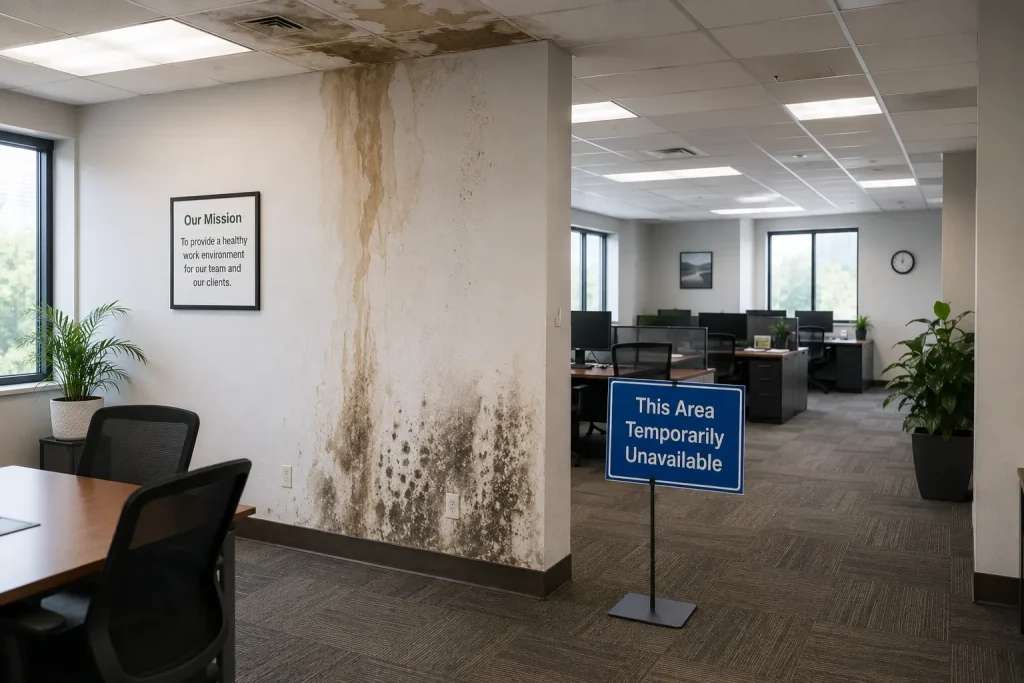
We approach commercial mold issues with a calm, organized process. We inspect, explain, document, and remediate with the goal of solving the issue properly, not creating more confusion for the people responsible for the property.
Who We Help
Mold Patrol works with commercial clients who need practical answers, professional communication, and mold remediation work done correctly.

Property Managers
We help property managers respond to tenant concerns, document conditions, coordinate access, and understand what remediation or moisture correction may be needed.

Landlords
Landlords often require direct tenant communication, timing, documentation, and a clear plan for addressing both visible mold and the moisture conditions behind it – that’s what we provide.

Office Buildings
Offices often have hidden mold issues that require mold remediation. Employees may notice odors, visible growth, water stains, HVAC concerns, or indoor air quality issues that affect comfort and morale.

Retail and Customer-Facing Spaces
When customers visit the property, visible mold or musty odors can quickly become a reputation problem. We help identify the source and recommend practical next steps.

Apartments and Multifamily Properties
Apartment mold remediation often requires clear scheduling, access coordination, tenant-sensitive communication, and a scope that addresses the actual cause of the issue.

Warehouses and Light Industrial Spaces
Leaks, humidity, stored materials, poor ventilation, and large open spaces can all contribute to mold concerns in warehouse and light industrial settings.
Common Commercial Mold Warning Signs
Commercial mold problems are rarely obvious at first. The issue usually starts with a smell, complaint, stain, or small area of visible growth. But the sooner the area is inspected, the easier (and cheaper) the fix will be.
You may need commercial mold inspection or remediation if you notice:
- A recurring musty odor
- Visible mold growth on walls, ceilings, flooring, contents, or mechanical areas
- Tenant, employee, or customer complaints
- Water stains or discoloration
- Past leaks, roof issues, flooding, or plumbing problems
- Mold returning after maintenance cleanup
- Humidity or condensation problems
- Odors near vents, returns, or HVAC equipment
- Damp materials, soft drywall, or damaged flooring
- Basement, crawl space, or mechanical-room moisture
- Concerns about commercial indoor air quality
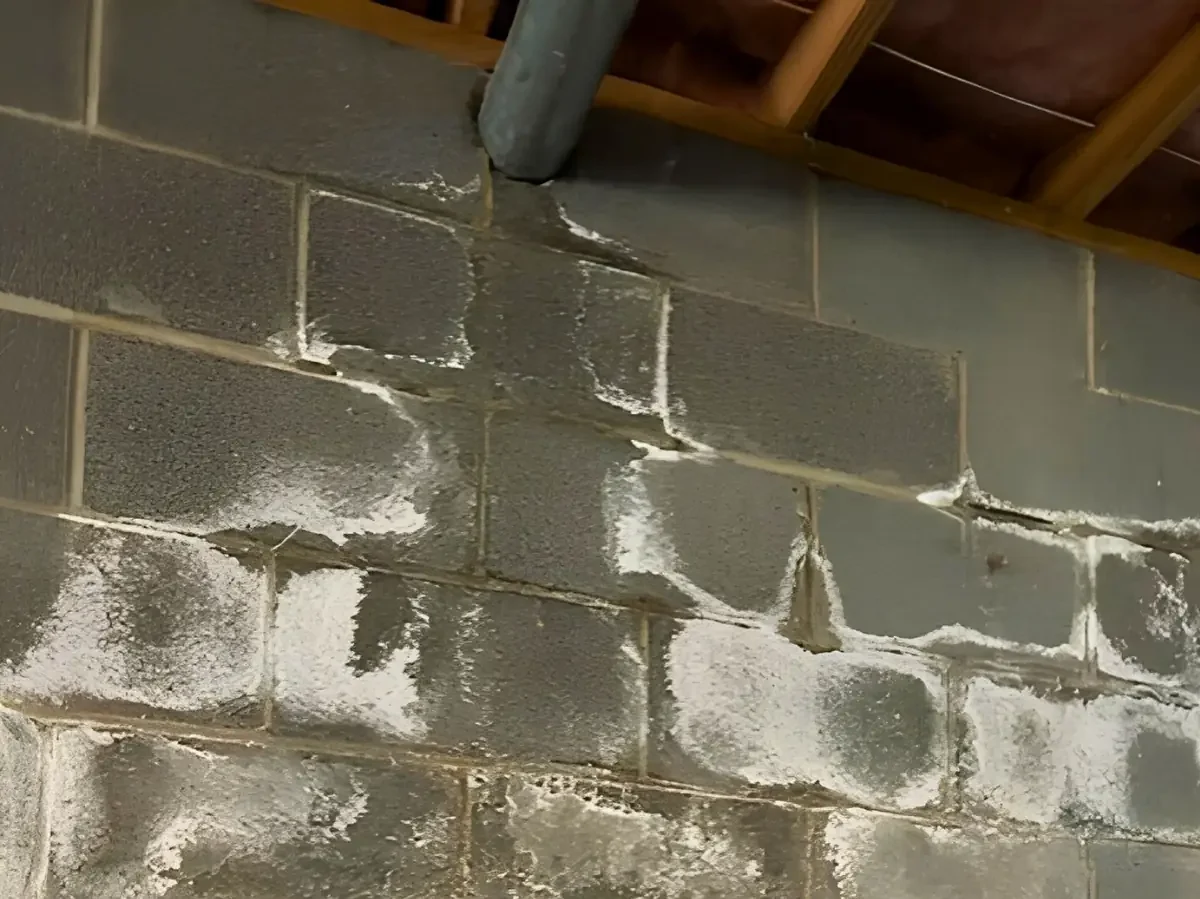
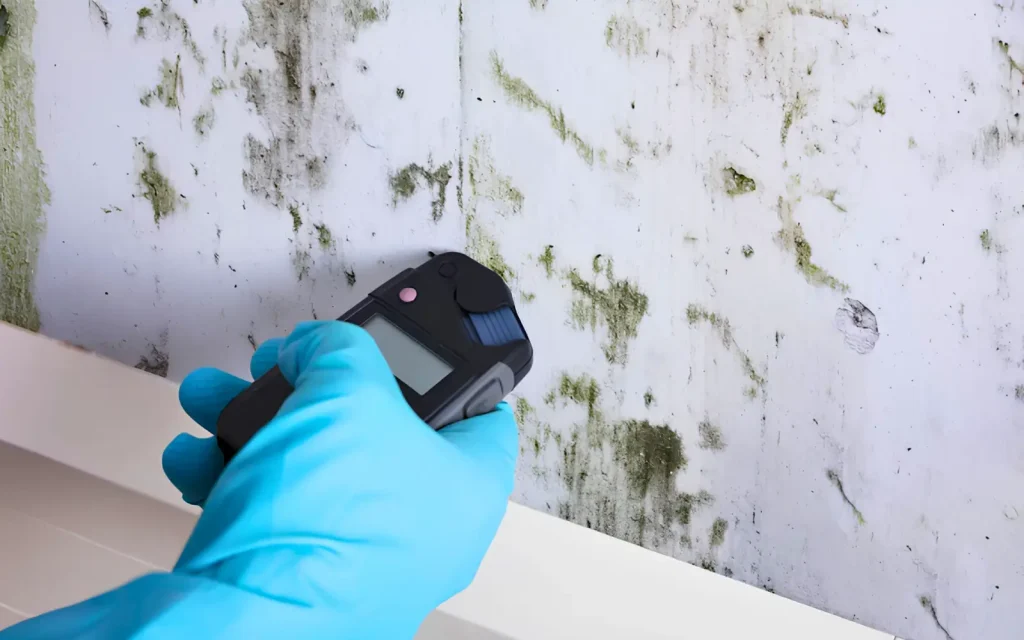
These signs don’t always mean the problem is widespread, but they do mean the property needs a closer look.
A small issue handled early is usually easier to manage than one left to spread.
Our Commercial Mold Assessment Process
Commercial mold remediation starts with understanding the property, the concern, and the people affected by it.
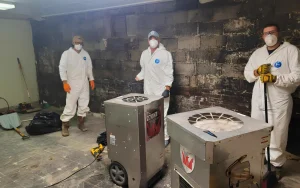
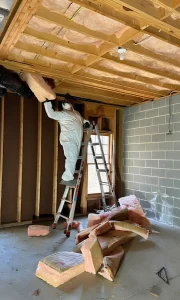
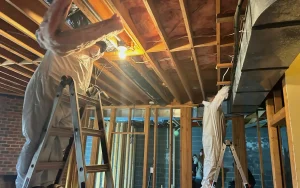
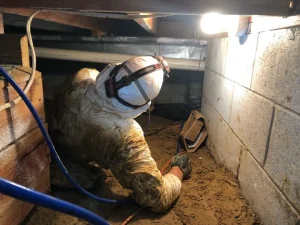
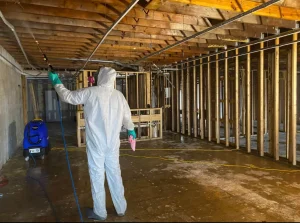
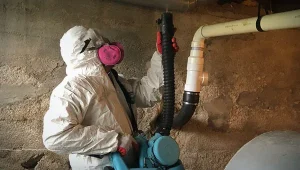
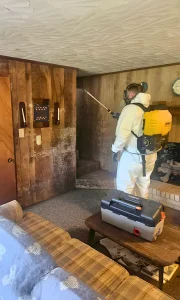
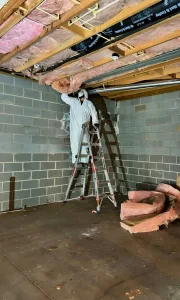
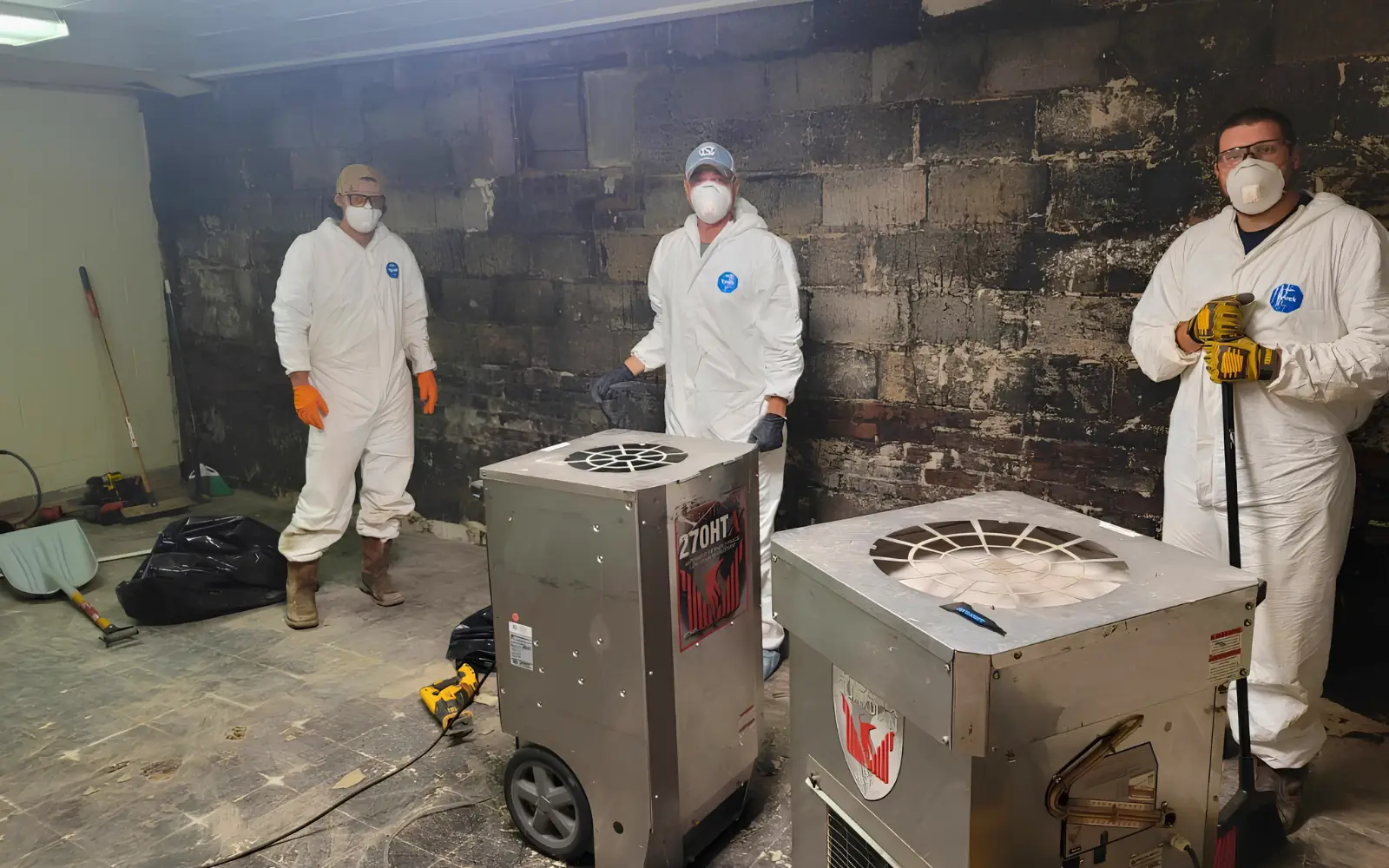
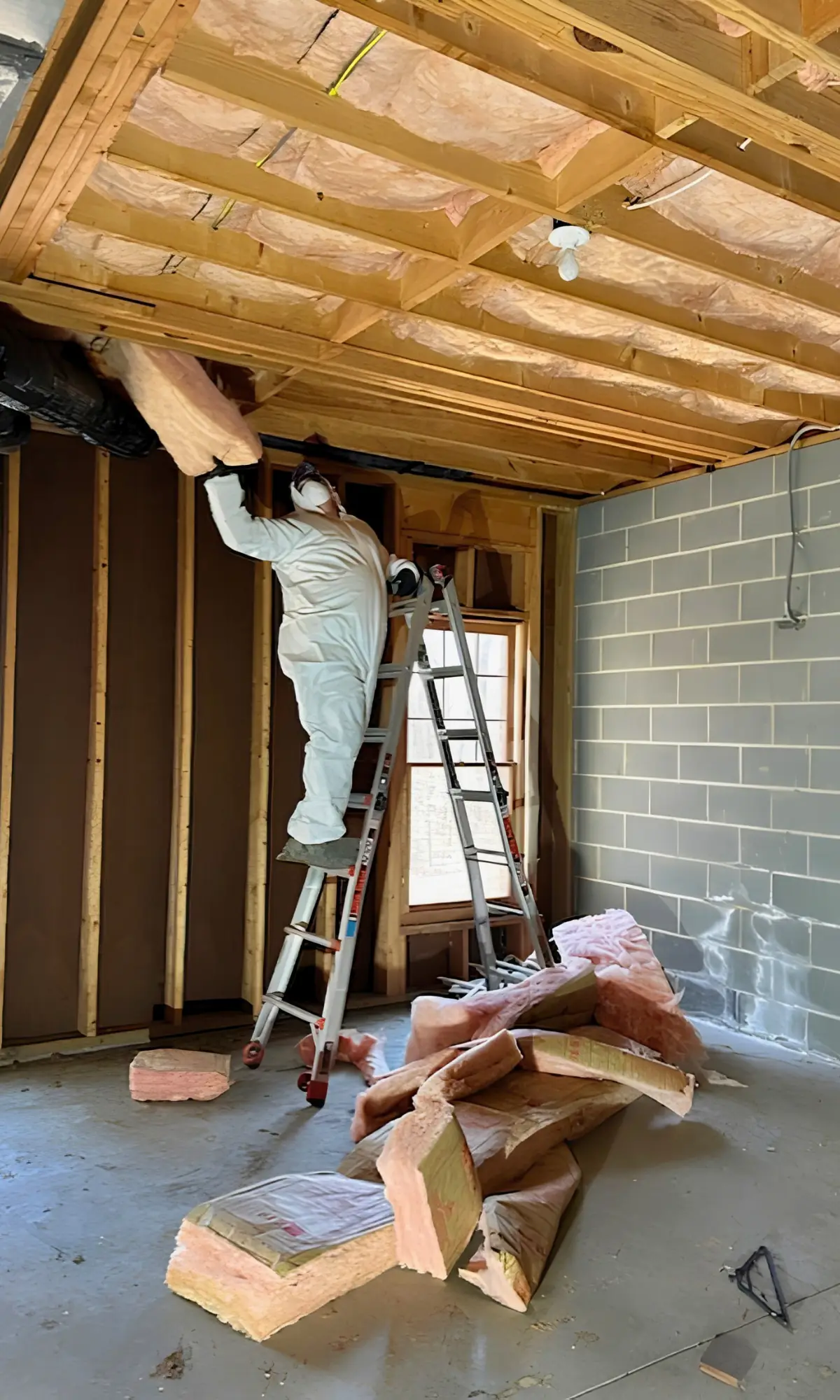
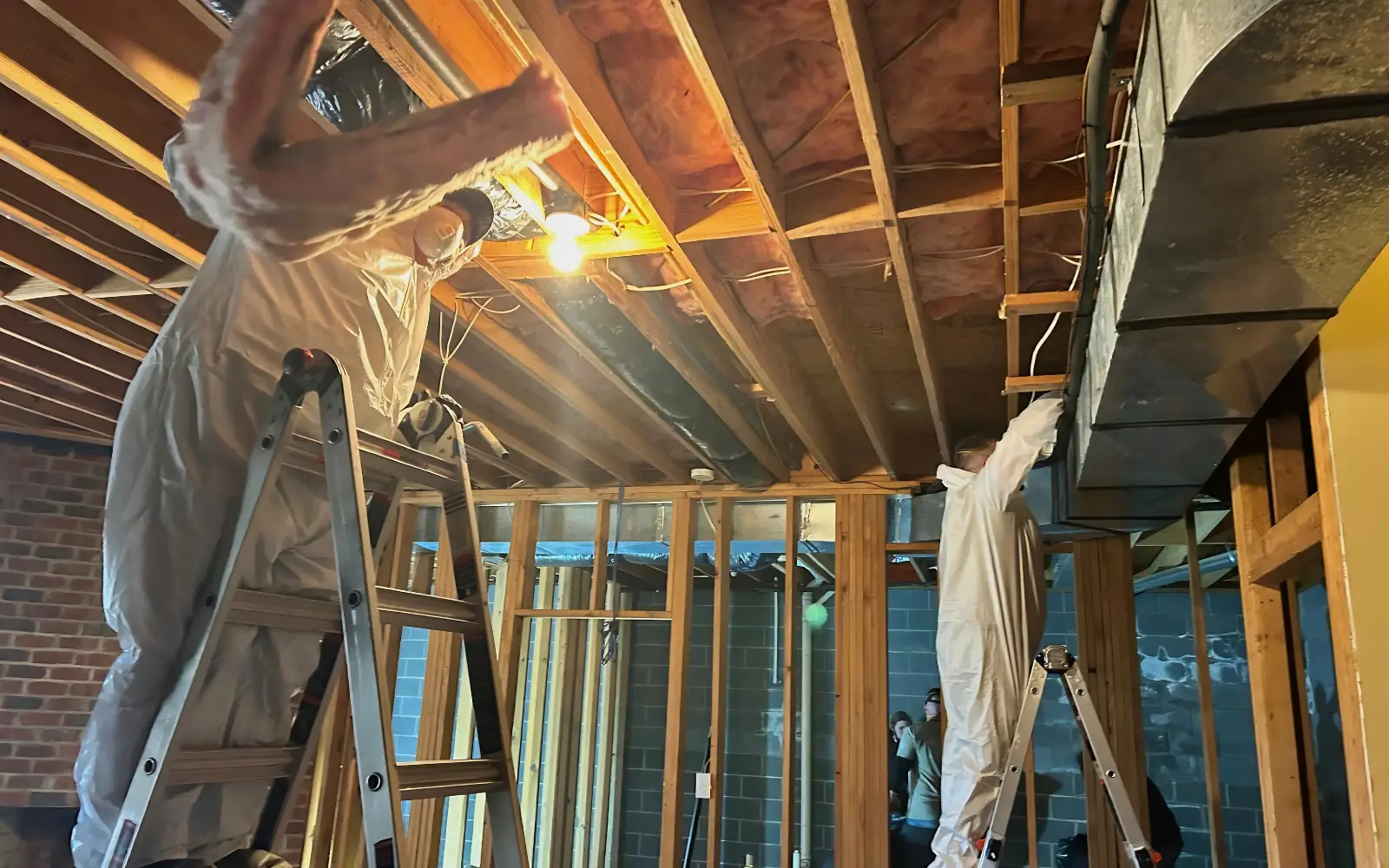


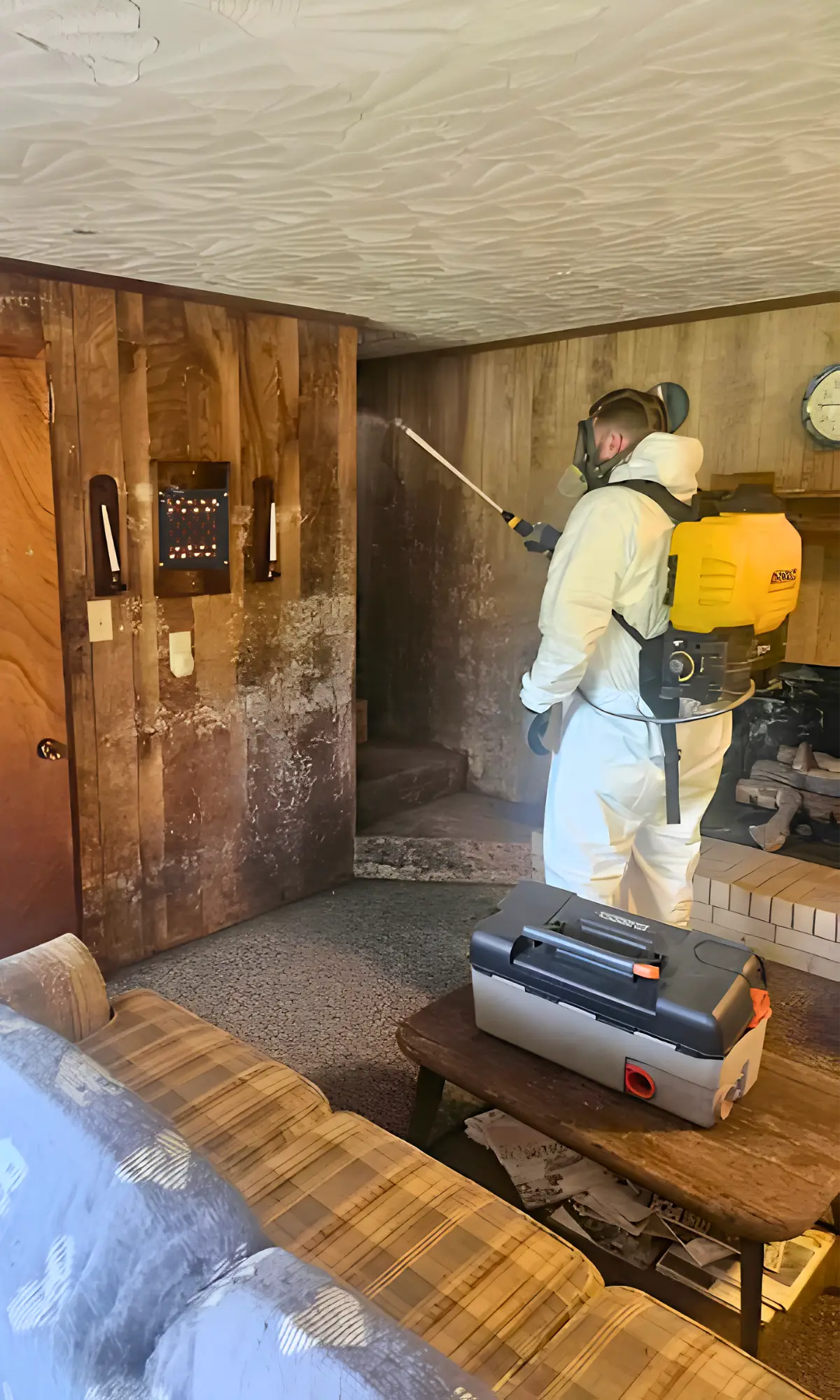
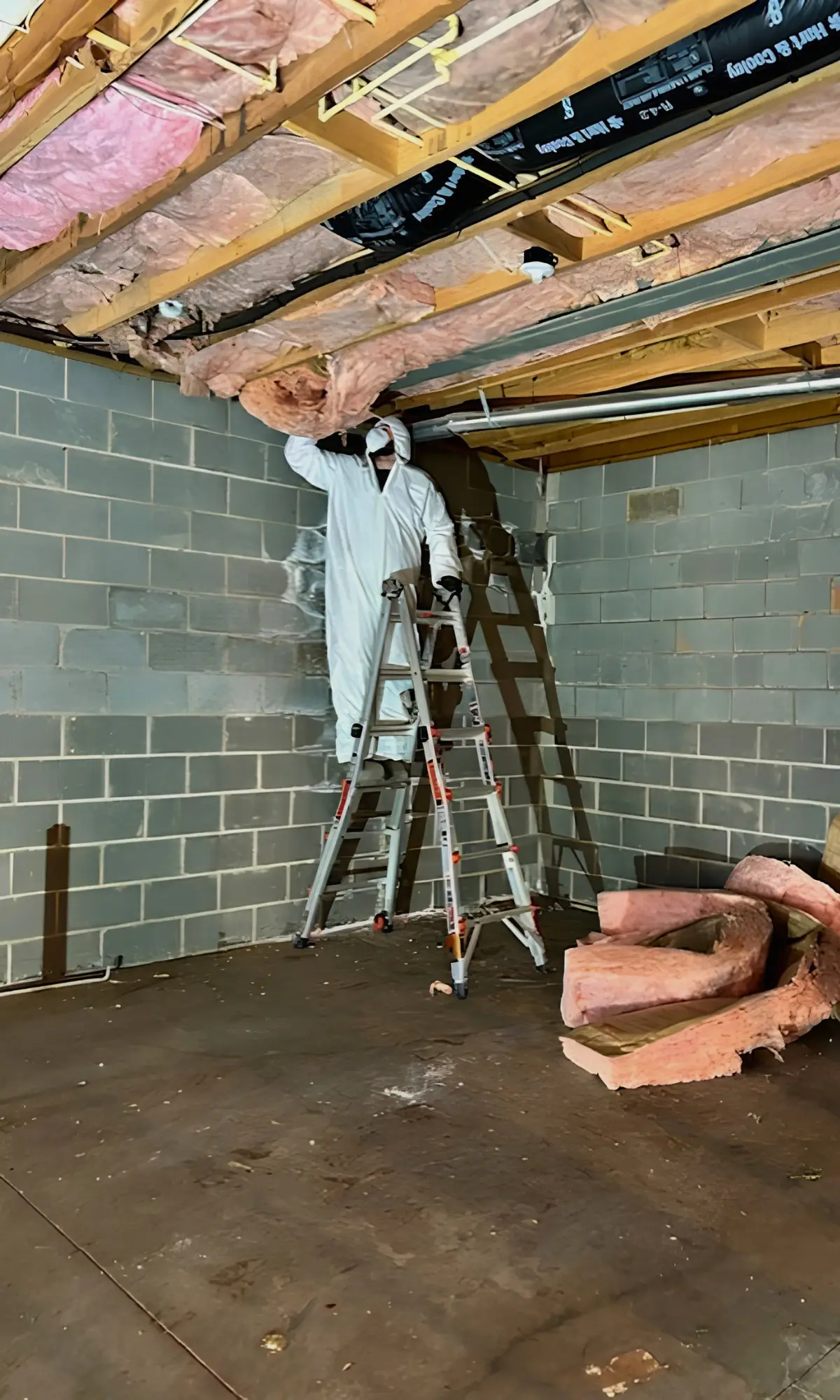
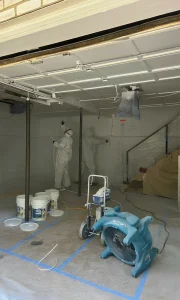
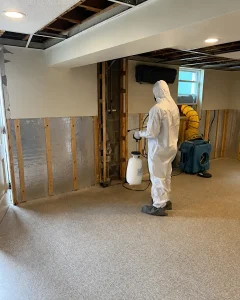
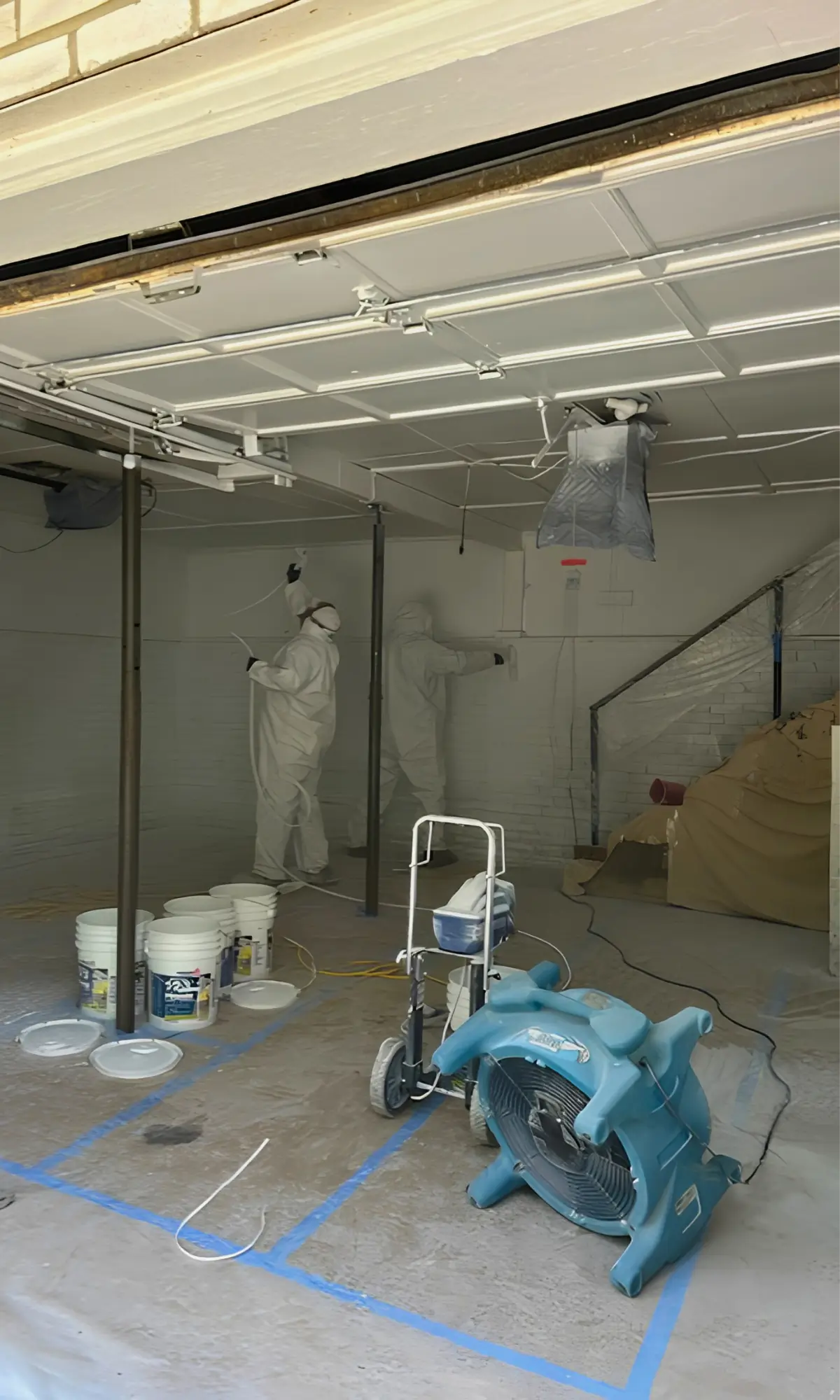

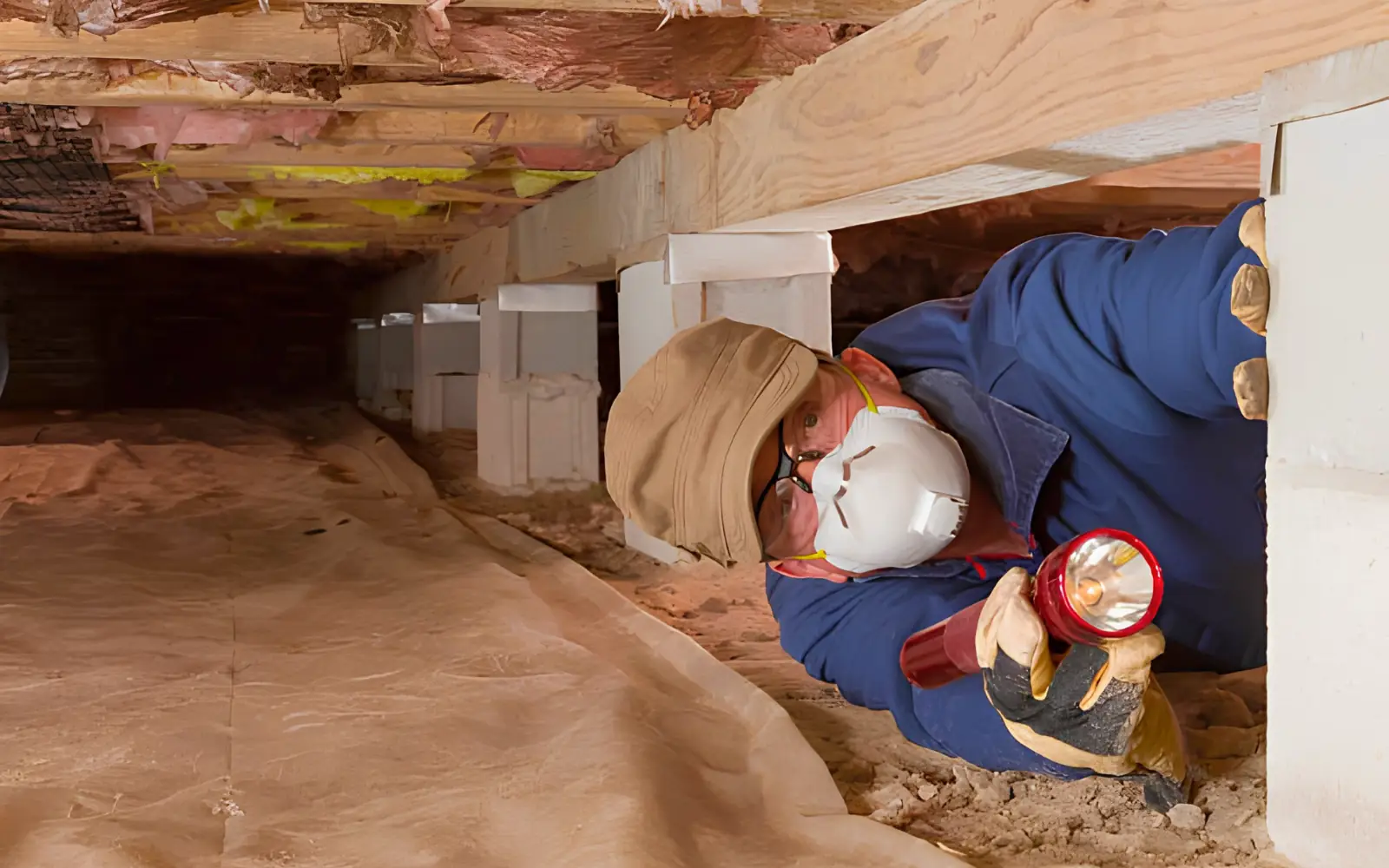
☝️ Real Mold Patrol remediation work across North Carolina homes and businesses.
Commercial Mold Remediation Process
Every commercial mold remediation project is different, but the core principles stay the same: control the affected area, remove or clean contaminated materials properly, address the moisture source, and help reduce the chance of regrowth.
Depending on the project, Mold Patrol may set up containment to separate the work area from unaffected spaces. Negative air machines, air scrubbers, HEPA filtration, and HEPA vacuuming may be used where appropriate to help control airborne particles during remediation.
Affected porous materials, such as drywall, insulation, ceiling tiles, flooring, or other building materials, may need to be removed if they cannot be properly cleaned. Remaining surfaces may be cleaned, treated, or sealed according to the remediation plan.

Commercial mold removal may also involve HVAC-adjacent areas, mechanical rooms, crawl spaces, storage areas, bathrooms, break rooms, offices, or other parts of the building where moisture is present.
The work does not stop at what is visible.
If moisture conditions remain, mold can return. That’s why we provide recommendations for leak repair, humidity control, drainage improvements, ventilation, HVAC evaluation, or other source corrections when needed.
We also explain what was done, what still needs attention, and what conditions should be maintained moving forward.
For commercial buildings, that really matters. It helps owners and managers make informed decisions instead of guessing from one complaint to the next.
We stand behind our work 100%
Most remediation companies will give you vague promises or wishful thinking when you ask about whether the mold will return.
That’s not how we work.
We back our work with a 100% guarantee. That means that if the mold comes back and you’ve followed our post-remediation recommendations, we’ll come back and fix the issue completely free of charge.
We believe you should only need to hire a remediator once.
With us, that’s exactly what happens.
Reducing Disruption During the Work
Commercial mold remediation needs to be handled carefully, but it also needs to be realistic. Businesses, tenants, employees, and customers may all be affected by the timing and setup of the work.
Mold Patrol helps plan the project with disruption in mind.
That may include coordinating access, explaining containment areas, identifying work zones, communicating what areas should be avoided, and discussing scheduling options where practical.
We won’t promise “zero disruption” when the work requires containment, demolition, equipment, or restricted access. That wouldn’t be honest.
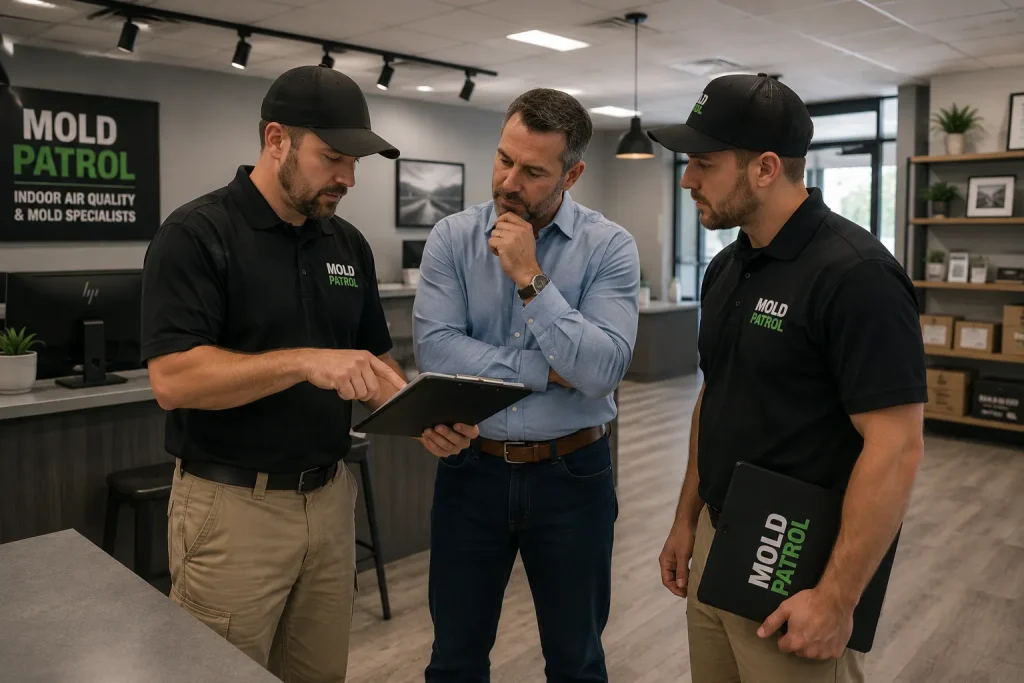
But we can help you understand what to expect before the work starts. We can also communicate clearly about noise, dust control, access needs, equipment, and the likely sequence of remediation.
Commercial Mold, Indoor Air Quality & Sensitive Occupants
Commercial mold concerns often overlap with indoor air quality concerns. Musty odors, HVAC movement, damp materials, and hidden growth can all affect how a building feels to the people inside it.
Tenants, employees, customers, or occupants may also have allergies, respiratory concerns, mold sensitivity, CIRS concerns, or worries about mycotoxins. Mold Patrol does not diagnose medical conditions, and mold testing is not a medical test. But we do understand why these concerns need to be handled carefully and respectfully.
For commercial properties, communication matters. People want to know that the issue is being taken seriously, that there’s a plan, and that steps are being taken to address the problem.
We help property decision-makers move from concern and pressure to clear next steps.
Related Services
Mold problems can show up in different parts of a home or building. Depending on your needs, you may find one of the below services a good fit.
Mold Inspection & Testing
If the scope is unclear or documentation is needed, mold inspection and testing can help determine what is present, what areas may be affected, and whether post-remediation verification is appropriate.

Indoor Air Quality
Commercial mold concerns often overlap with indoor air quality, especially when odors, HVAC movement, or occupant complaints are involved.

HVAC Mold Remediation
Mold near air handlers, vents, returns, or ductwork can affect how air moves through the property, or worse spread spores throughout the property. We evaluate HVAC-adjacent mold concerns and help determine whether remediation, cleaning, containment, or additional indoor air quality steps are needed to address the issue properly.
Crawl Space Mold Removal
Commercial buildings with crawl spaces or moisture below the structure may need crawl space mold removal and moisture correction to address the source.

Moisture control
Mold problems usually begin with moisture. We help identify leaks, humidity, drainage, vapor barrier, ventilation, or other conditions that may be feeding the issue.
Residential Mold Remediation
Homeowners often need clear answers, reliable communication, and a remediation plan that addresses both visible mold and the underlying moisture conditions causing it.
Why Choose Mold Patrol?
Mold Patrol is a specialist mold and moisture company. We are not a franchise-volume operation trying to push as many jobs as possible through the system.
We focus on assessments, inspections, testing support, and full remediation protocols for clients who want the work done carefully and correctly.
Commercial mold problems require more than equipment. They require outstanding communication, documentation, source investigation, scheduling awareness, and the ability to explain the work in plain English to the people responsible for the property. A quick-fix is going to cost more money later on – the job needs to be done properly the first time.
That’s where our approach fits.
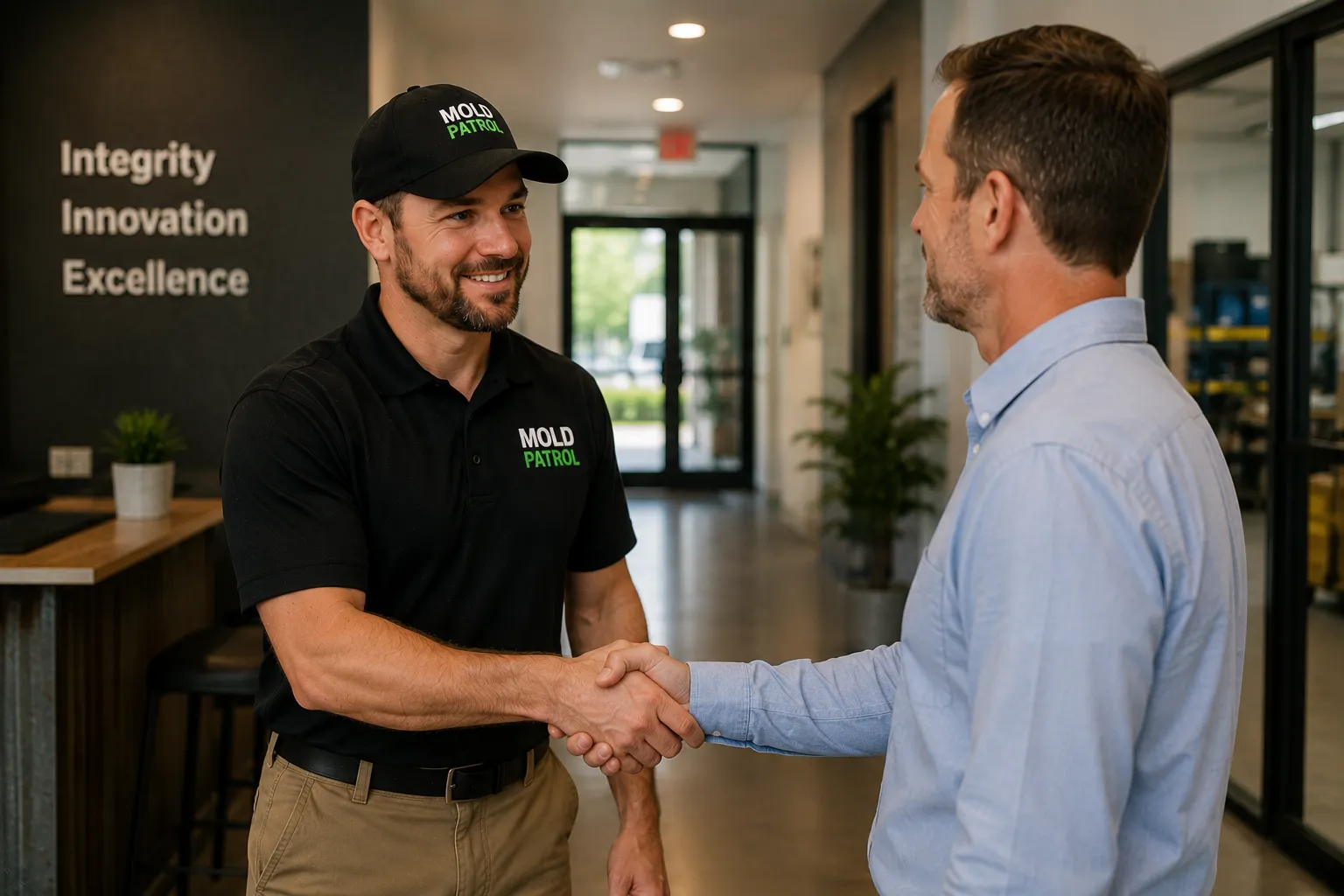

We don’t talk down to clients or hide behind jargon. We explain what we are seeing, what it means, and what options make sense.
Mold Patrol is built around quality over quantity, relationship-based service, and practical solutions that address the cause of the problem, not just the visible symptom.
If you are responsible for a commercial property, you need a mold remediation company that understands both the technical side of the work and the pressure you are under.
That’s what we bring to the table.
Commercial Mold Remediation Service Areas
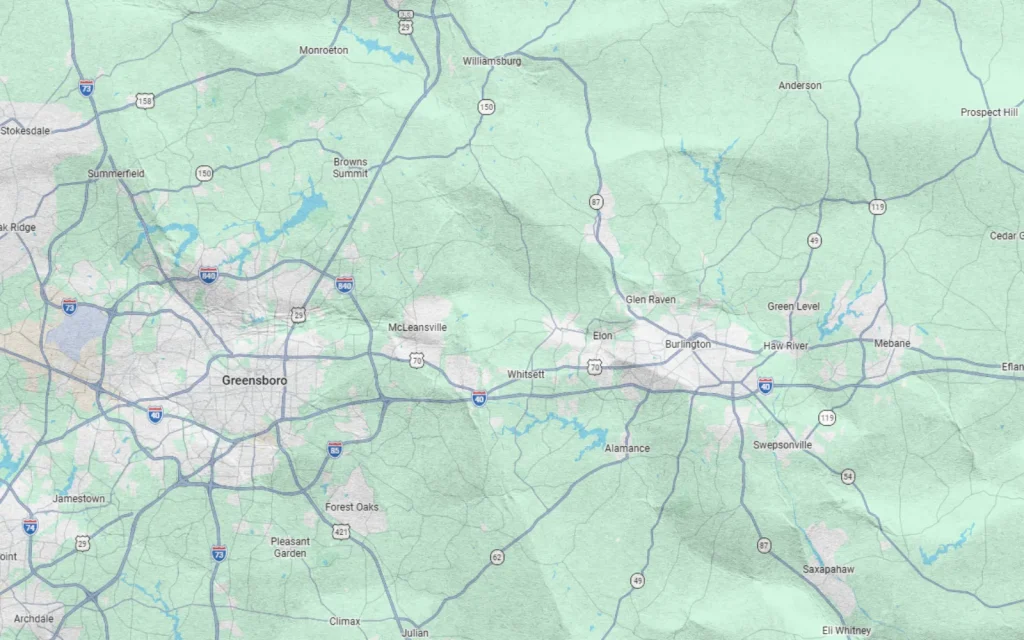
Mold Patrol provides commercial mold remediation in Burlington, Greensboro, Alamance County, Guilford County, and nearby North Carolina communities throughout the Piedmont Triad.
If you are looking for commercial mold remediation in Greensboro NC or commercial mold remediation in Burlington NC, we can help assess mold, moisture, indoor air quality, and property-specific concerns.
Call 0123456789 to ask about service in your area.
Commercial Mold Remediation FAQs
Schedule a Commercial Mold Assessment
If your commercial property has visible mold, musty odors, tenant complaints, employee concerns, water damage, or recurring moisture problems, Mold Patrol can help you determine what is happening and what to do next.
Call 0123456789 to schedule a commercial mold assessment.
Prefer to start online? Fill out the contact form and upload photos of visible growth, staining, leaks, or affected areas. We’ll help you find the next right step.
