
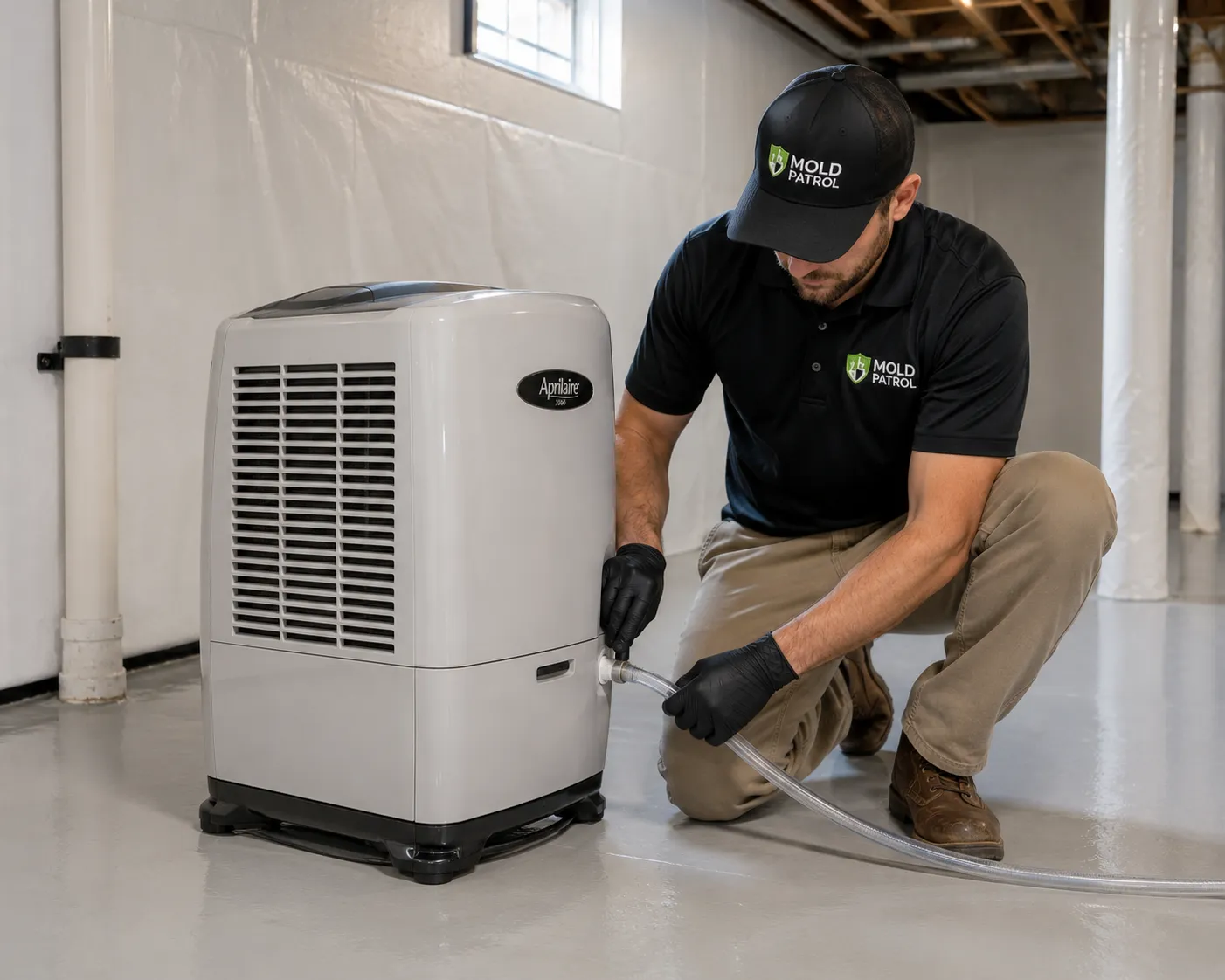
Mold Moisture Control in North Carolina
If moisture is still feeding the problem, mold can come back. That’s why proper mold work shouldn’t stop at cleaning visible growth.
Mold Patrol provides mold moisture control services for homeowners, property managers, and commercial clients across Burlington, Greensboro, and nearby North Carolina communities.
5-Star Rated • Certified Mold Specialists • Burlington & Greensboro

We are not here to scare you, rush you, or slap a surface-level fix on a deeper issue.
We help identify moisture sources, explain what’s causing the issue, and recommend practical steps to reduce the chance of mold regrowth.
Moisture problems can come from leaks, humidity, crawl spaces, basements, HVAC condensation, poor ventilation, drainage issues, or damp building materials.
Call 0123456789 to schedule a mold moisture control assessment.
Mold Is Usually a Moisture Problem First
Mold needs moisture to grow. So when mold shows up, the visible growth is often the symptom, not the whole problem.
You can clean mold from a surface, remove affected materials, or treat contaminated areas. But if the moisture source is still there, the same issue can return. That’s when homeowners feel like they’re throwing money at the same problem over and over.
Moisture can be obvious, like a plumbing leak or standing water in a crawl space. It can also be sneaky. High humidity, condensation, poor ventilation, hidden roof leaks, wet insulation, or HVAC drainage issues may all create conditions where mold keeps finding a way back.
Mold Patrol looks for the source before recommending a fix. Our goal isn’t to sell a one-size-fits-all package. It’s to understand what’s feeding the mold, what needs to change, and what practical steps can help protect the property moving forward.
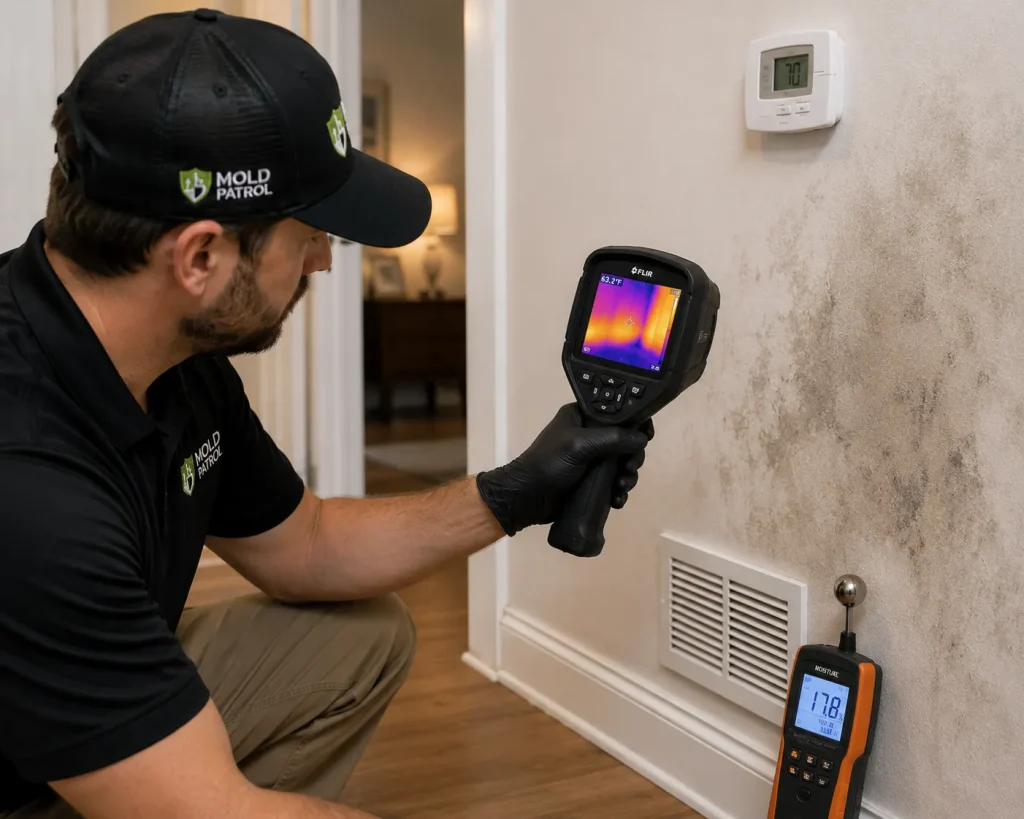
That’s how you get beyond temporary cleanup and start solving the actual problem.
Common Moisture Problems That Lead to Mold
A mold from moisture problem can start in many different ways. Sometimes it’s a sudden leak. Other times, the problem builds slowly until odors, staining, or visible growth finally show up.
Common moisture sources include:
- High indoor humidity that allows dampness to linger
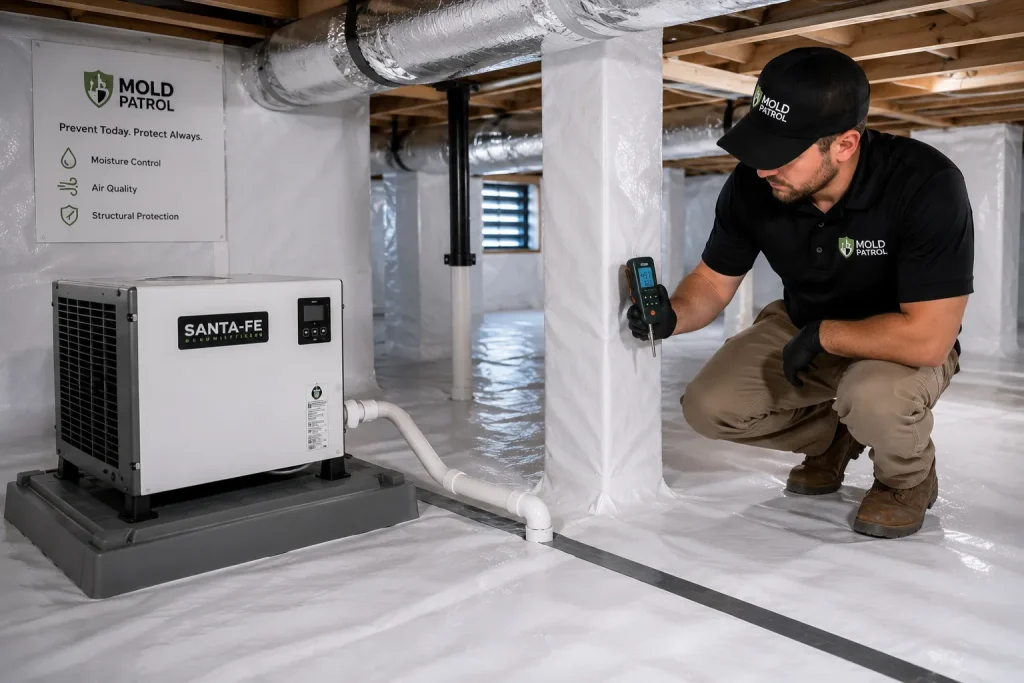
- Crawl space moisture from exposed soil, poor vapor barriers, drainage problems, or high humidity
- Plumbing leaks under sinks, behind walls, around toilets, or near appliances
- Roof leaks, flashing failures, or water intrusion after storms
- Basement seepage, damp walls, or moisture through foundation areas
- Poor ventilation in bathrooms, kitchens, laundry rooms, closets, or attics
- HVAC condensation, clogged drain lines, sweating ducts, or air handler moisture
- Wet, sagging, or contaminated insulation
- Standing water or poor drainage around the property
- Condensation on windows, ducts, framing, ceilings, or walls

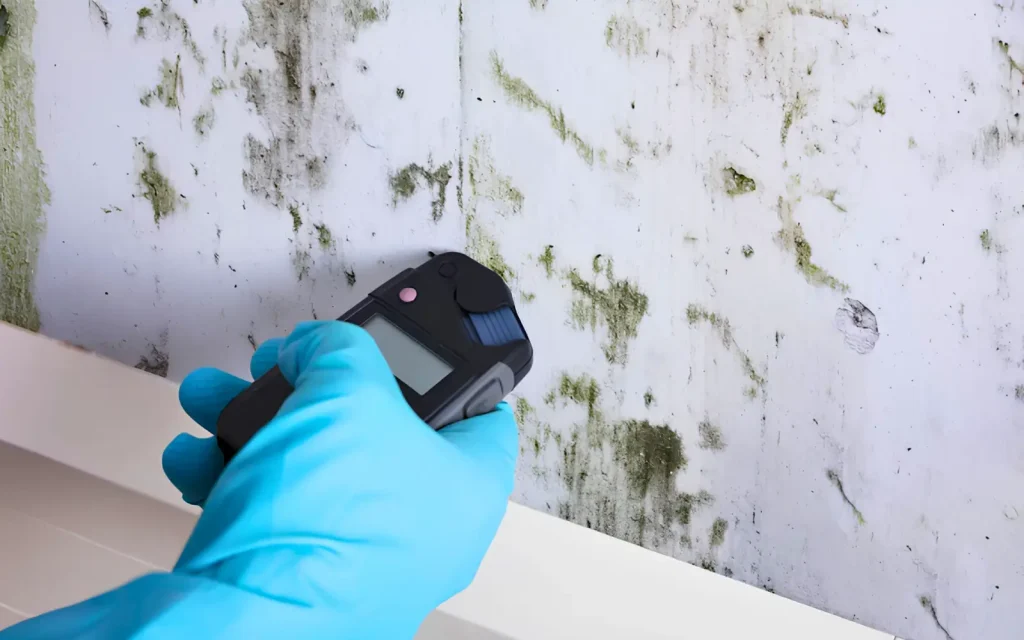
A good mold source investigation looks for the condition that keeps moisture present long enough for mold to grow. Without that, cleanup is just a pause button.
Mold Patrol evaluates the property as a system, because moisture rarely respects room boundaries.
Signs Your Home May Need Mold Moisture Control
Moisture problems often give clues before they become major mold issues. The trick is noticing the pattern.
You may need mold moisture control if you notice:
- Mold returning after cleaning
- Recurring musty odors
- A damp crawl space or basement
- Condensation on windows, walls, pipes, ducts, or vents
- Soft drywall, bubbling paint, or warped flooring
- High indoor humidity
- Crawl space or basement odors entering living areas
- Mold near HVAC equipment, vents, or closets
- Wet, sagging, or fallen insulation
- Water staining after rain
- Dehumidifiers running constantly
- Mold appearing in the same area again and again
- A previous remediation job that didn’t hold up
- Musty smells that seem worse during humid weather
Not every sign means you need major repairs. Some problems are small if they’re caught early. But if moisture keeps showing up, it’s worth finding out why.
Mold doesn’t need much encouragement when the conditions are right.
We stand behind our work 100%
Most remediation companies will give you vague promises or wishful thinking when you ask about whether the mold will return.
That’s not how we work.
We back our work with a 100% guarantee. That means that if the mold comes back and you’ve followed our post-remediation recommendations, we’ll come back and fix the issue completely free of charge.
We believe you should only need to hire a remediator once.
With us, that’s exactly what happens.
Our Moisture Source Investigation Process
Every moisture control plan starts with understanding where the moisture is coming from and how it’s affecting the building.
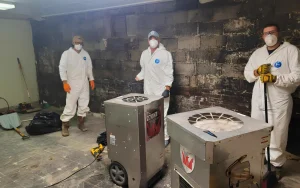
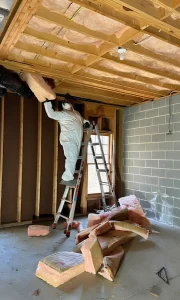
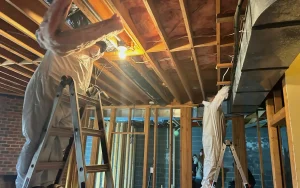
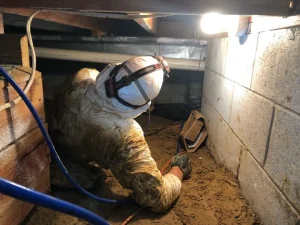
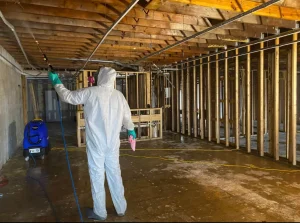
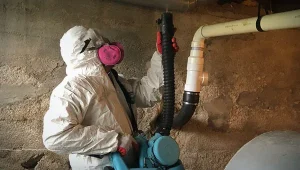
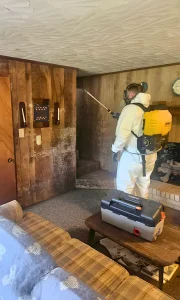
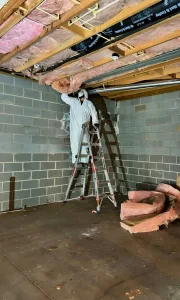
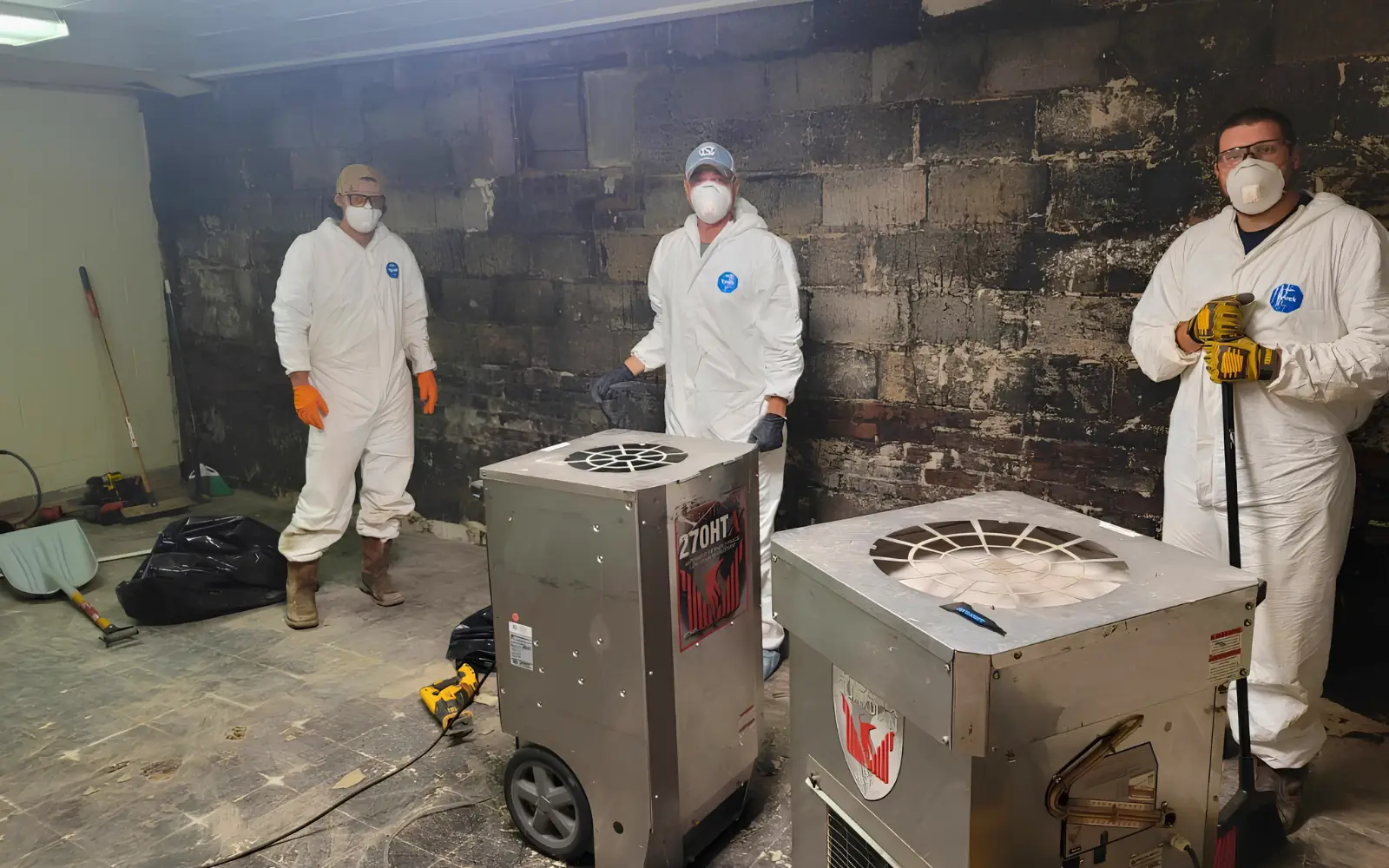
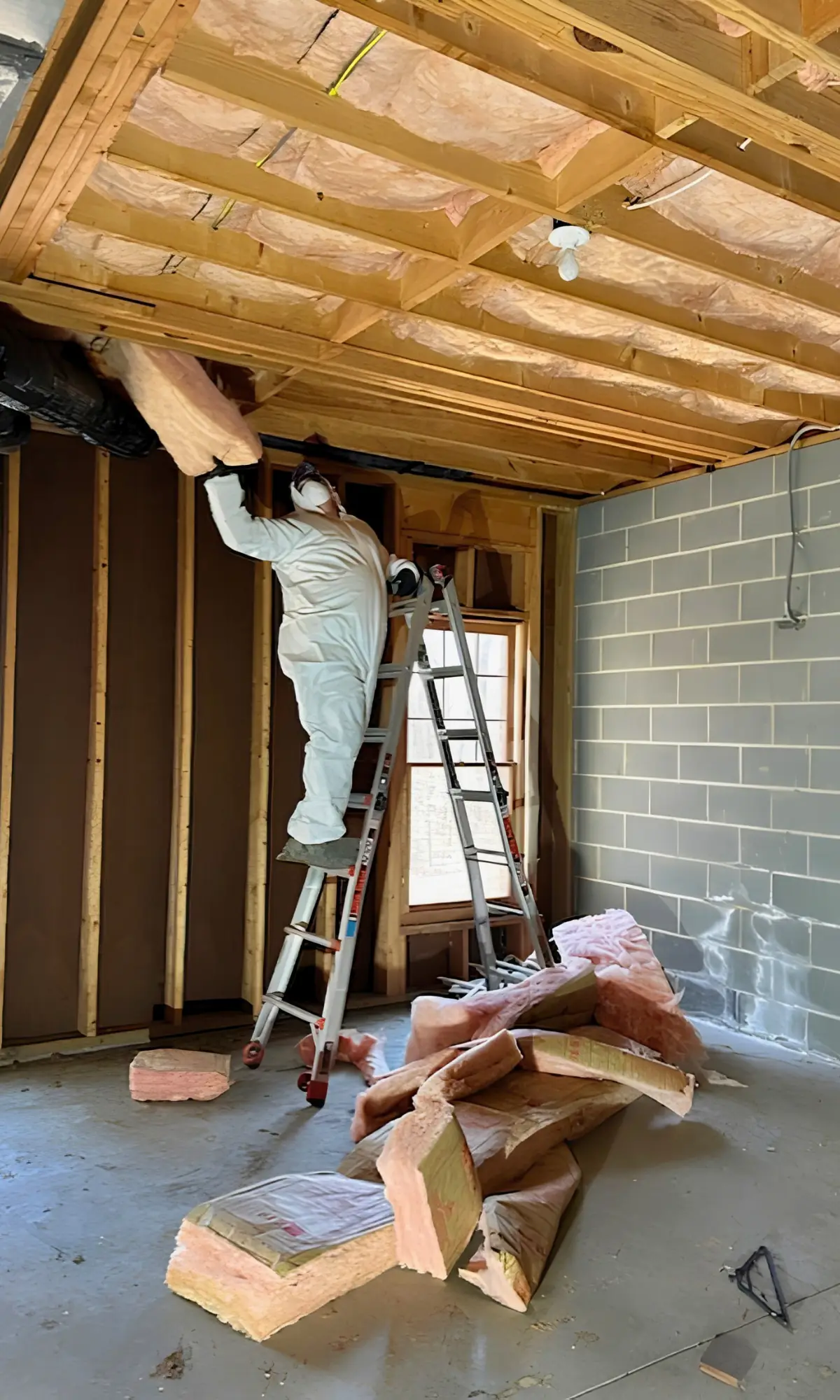
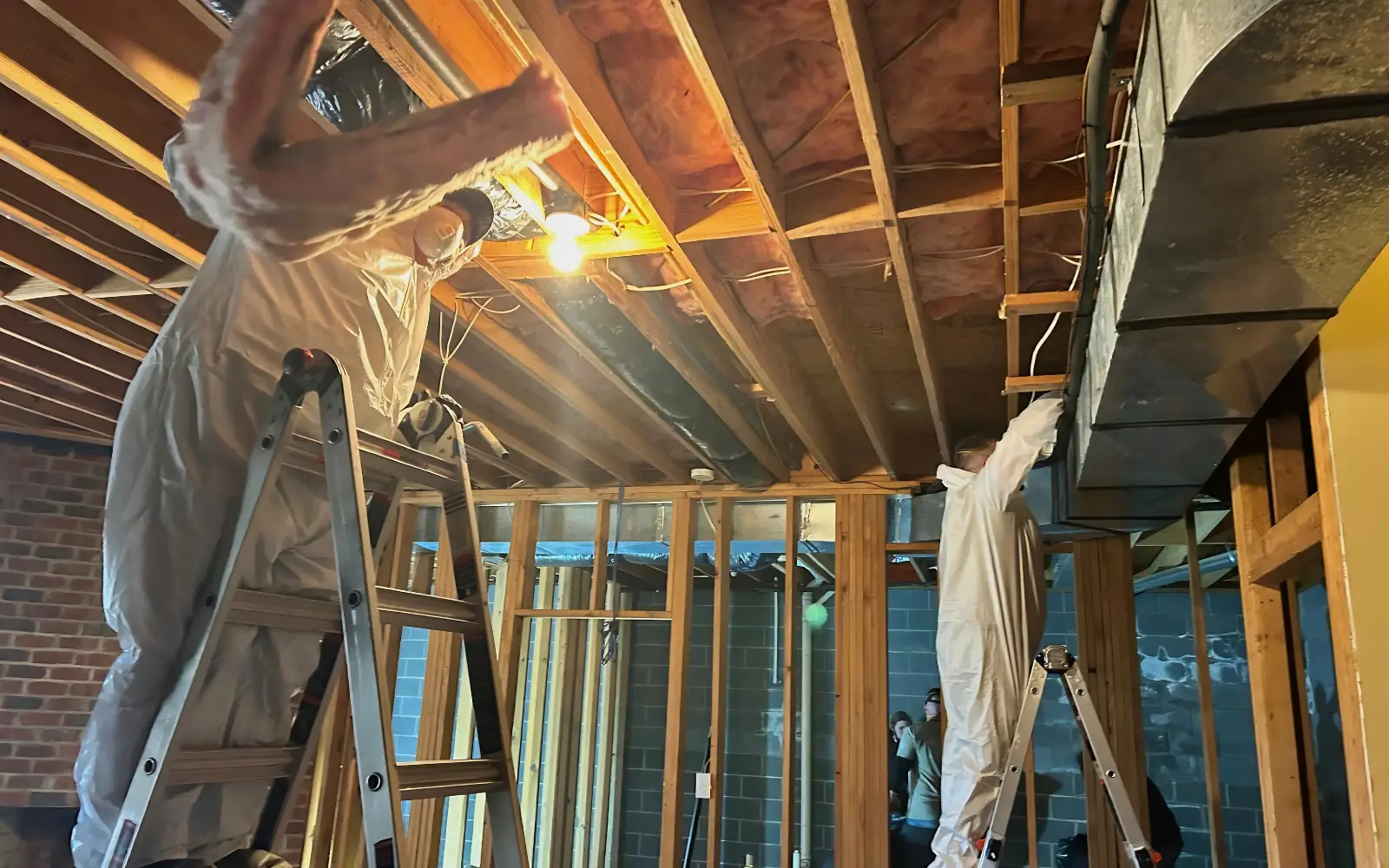
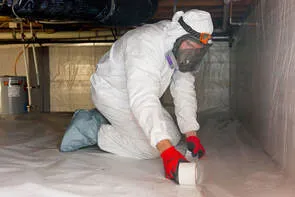


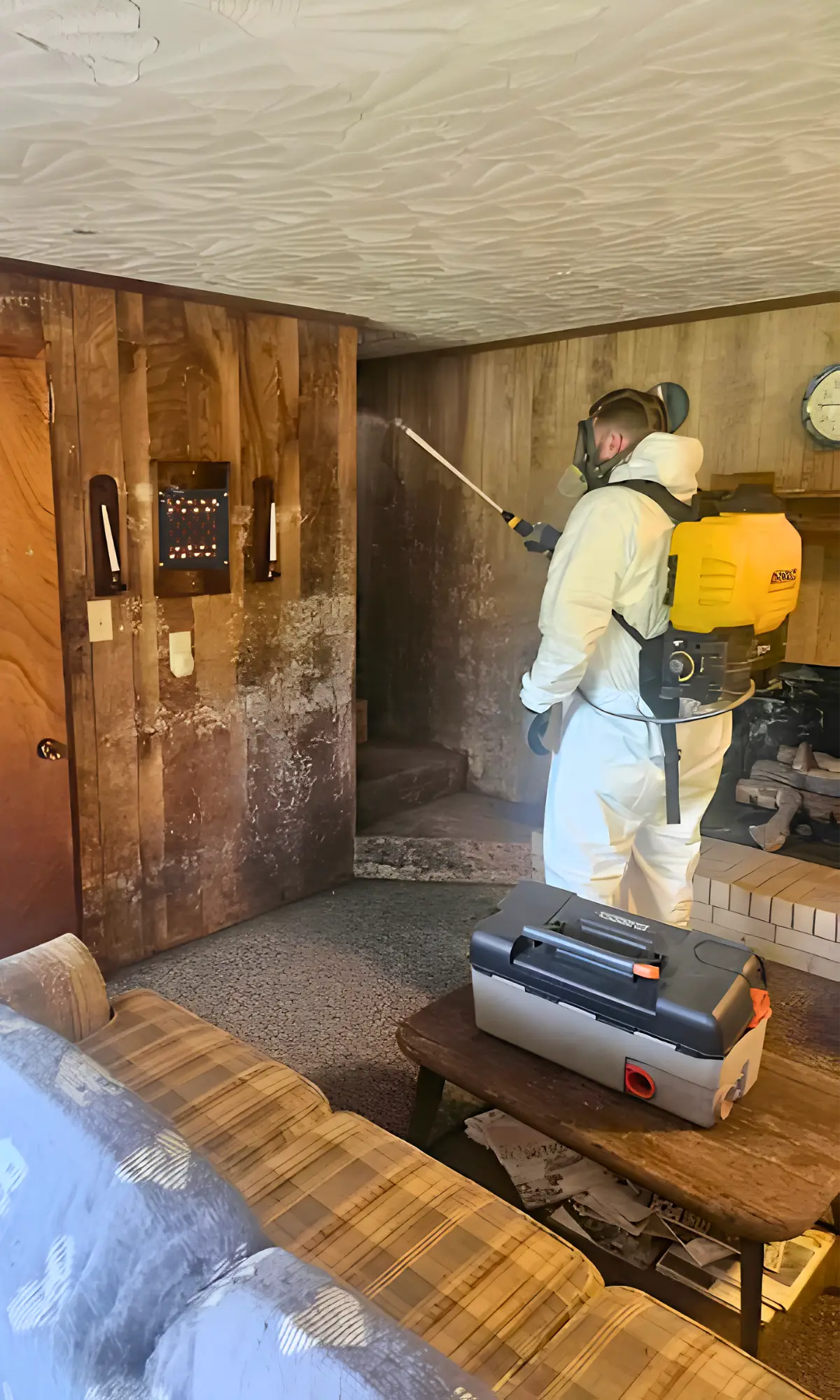
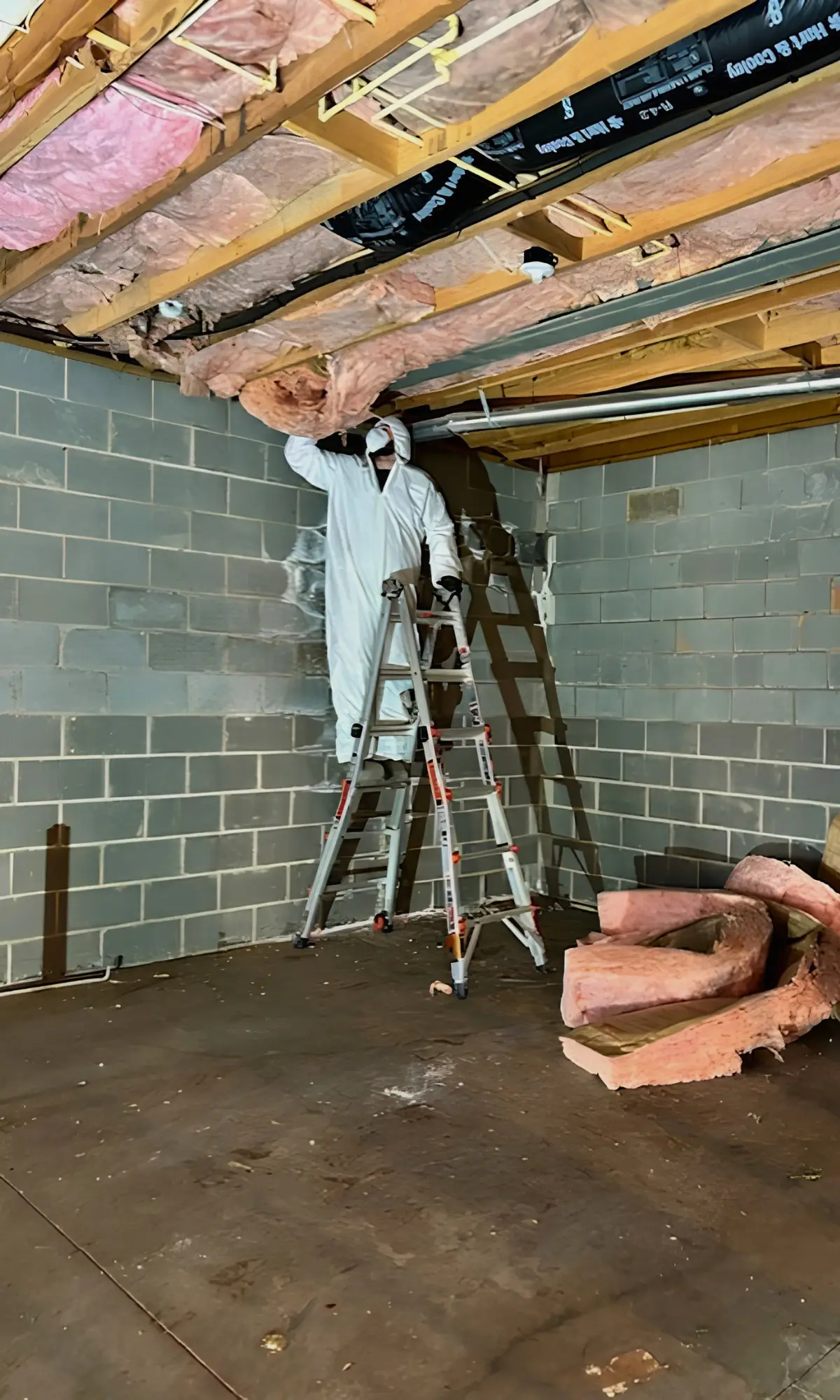
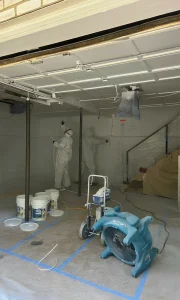
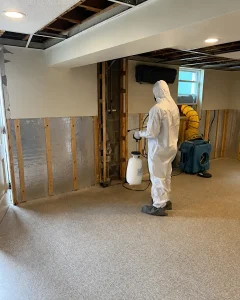
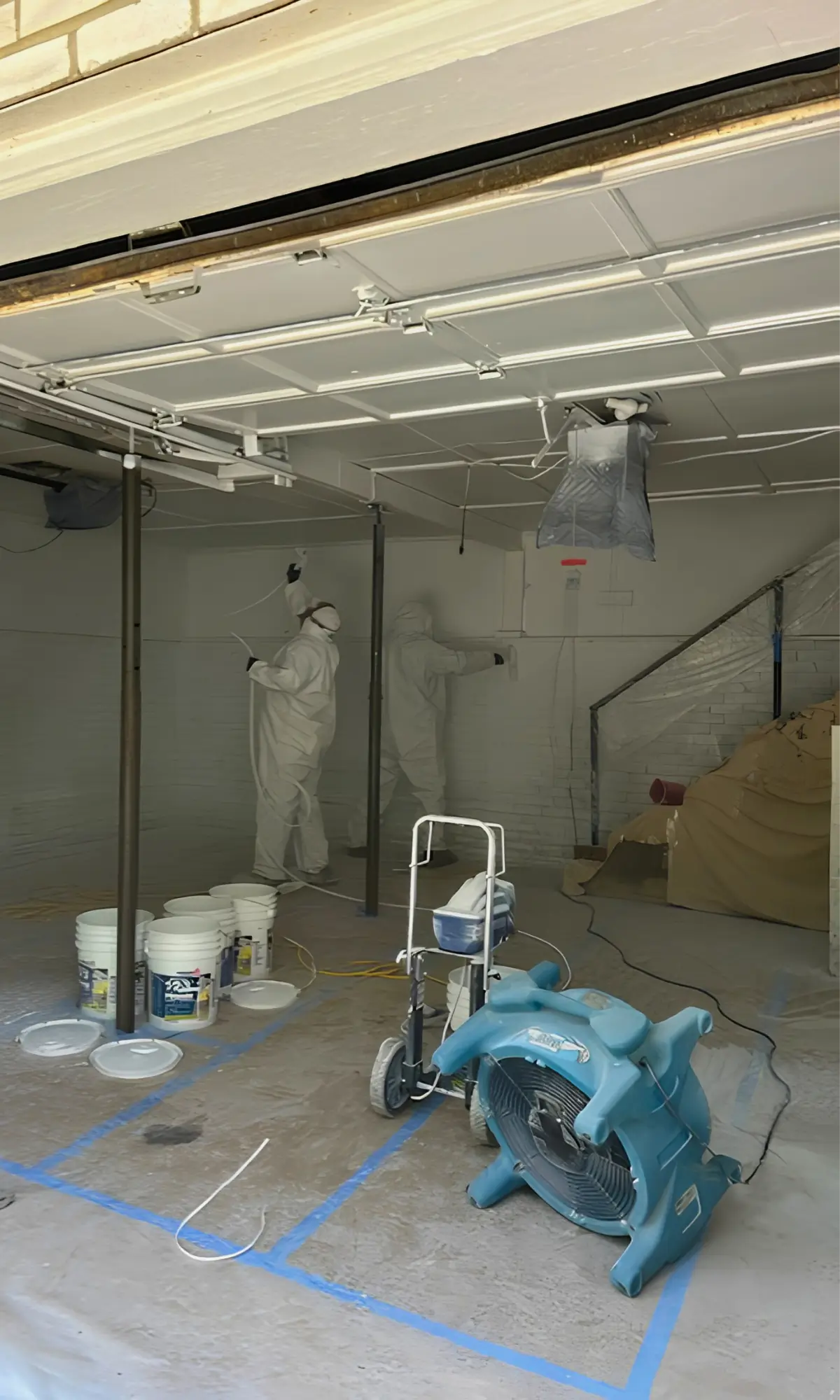

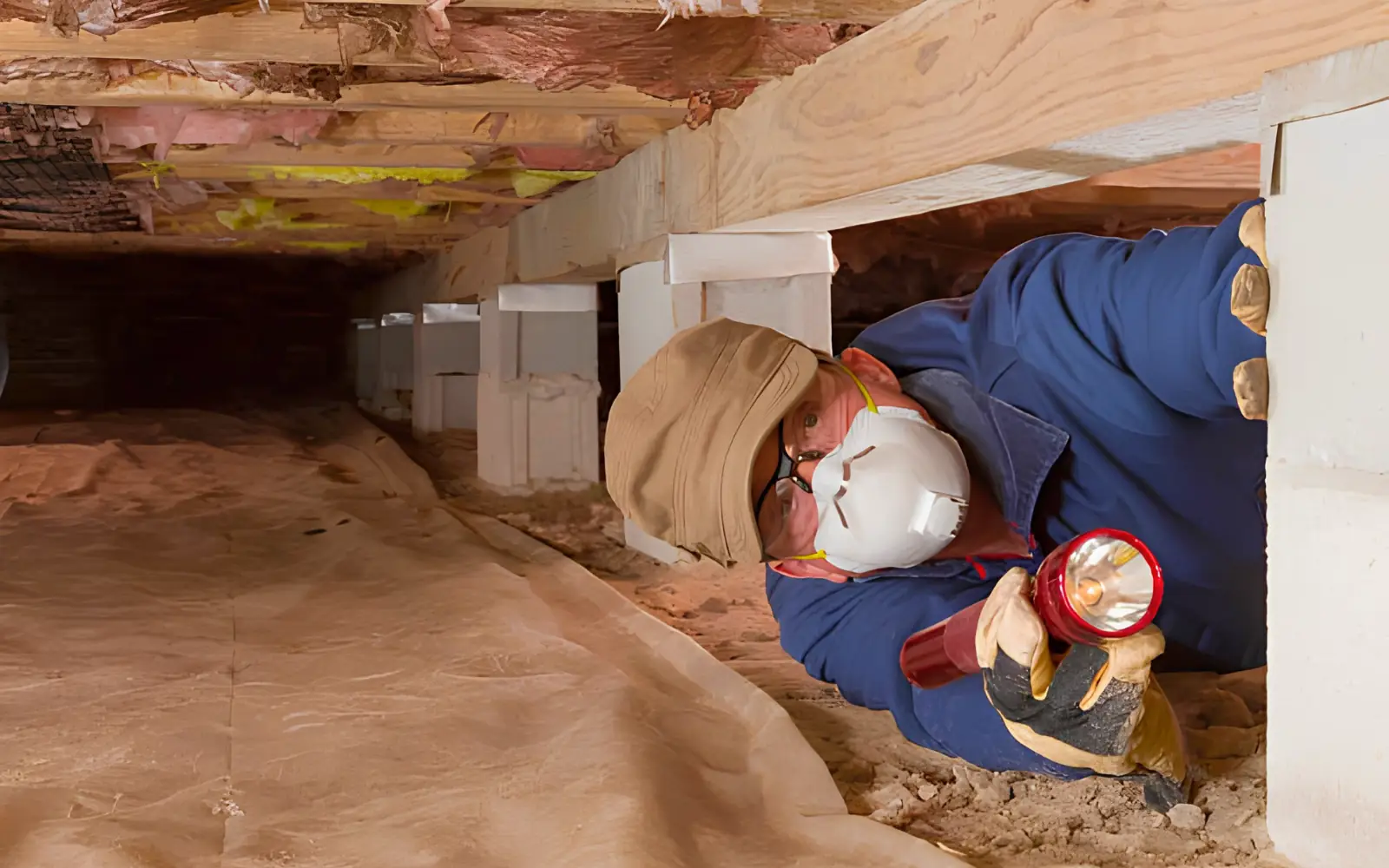
☝️ Real Mold Patrol remediation work across North Carolina homes and businesses.
Moisture Control Solutions We May Recommend
Moisture control isn’t the same for every property. The right solution depends on where the moisture is coming from, what materials are affected, and whether mold remediation is also needed.
Depending on the situation, Mold Patrol may recommend:
Vapor barrier repair or replacement when ground moisture is affecting a crawl space.
Drainage improvements when standing water, grading, or exterior water movement is contributing to the problem.
Dehumidification when humidity remains elevated and the space is properly prepared for humidity control.
Ventilation improvements in bathrooms, kitchens, laundry rooms, attics, closets, or other areas where damp air lingers.

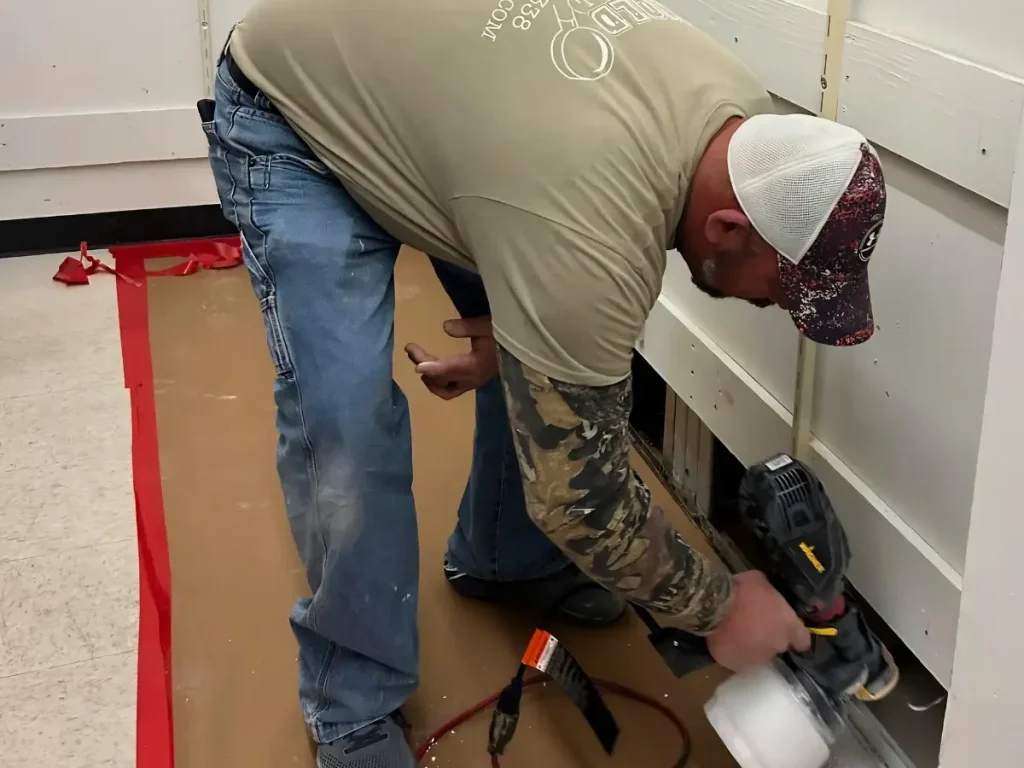
Leak correction recommendations when plumbing, roofing, appliance, or foundation issues are feeding the problem.
Wet insulation removal or replacement when insulation is holding moisture or can’t be cleaned properly.
HVAC evaluation when condensation, clogged drain lines, duct sweating, or air handler moisture may be involved.
Mold inhibitor treatment or sealant where appropriate as part of a remediation or prevention plan.
Some solutions Mold Patrol may provide directly. Others may require coordination with a plumber, roofer, HVAC contractor, or drainage specialist. We’ll tell you what belongs in our lane and what should be handled by another qualified professional.
That honesty matters. The goal isn’t to sell every possible service. It’s to help you solve the right problem.
Mold Prevention After Remediation
Mold remediation removes contamination. Moisture control helps stop the conditions that allowed it to grow.
Both matter.
If affected materials are removed, surfaces are treated, and the area looks clean, that’s a good step. But if humidity, leaks, condensation, or drainage issues remain, mold may return.
Mold prevention after remediation may include controlling humidity, repairing leaks, improving ventilation, replacing damaged insulation, correcting crawl space conditions, managing HVAC condensation, or maintaining a proper vapor barrier.
In some projects, Mold Patrol may also use mold inhibitor treatment or sealant where appropriate to help reduce the chance of regrowth.
On qualifying work, Mold Patrol may offer warranty protection when conditions are maintained according to the project protocol. That qualification is important. A warranty only makes sense when the conditions that caused the issue are corrected and maintained.
We want clients to feel confident that the work was done correctly — not wonder whether the same mold problem is waiting around the corner.

Crawl Spaces, Basements, HVAC & Indoor Air Quality
Crawl Spaces
Crawl spaces are common moisture trouble spots in North Carolina. Exposed soil, poor vapor barriers, high humidity, wet insulation, drainage issues, and duct leaks can all contribute to mold growth beneath the home.
Basements
Basement moisture may come from seepage, foundation cracks, poor drainage, plumbing leaks, or humidity. Even unfinished basements can influence odors and mold conditions elsewhere in the property.
HVAC Systems
HVAC condensation, sweating ducts, clogged drain lines, and air handler moisture can create or spread mold concerns. If the system is involved, moisture control may need to include HVAC evaluation or service.
Indoor Air Quality
Moisture problems can affect how a home smells and feels. Musty air, humidity, crawl space odors, and mold growth may all contribute to indoor air quality concerns.
Related Services
Mold Remediation
When mold contamination is present, remediation may be needed to remove affected materials, clean contaminated areas, and address the conditions that allowed growth.
Crawl Space Mold Removal
If mold is growing beneath the home, crawl space mold removal may include insulation removal, treatment, vapor barrier recommendations, and moisture-control steps.

Mold Inspections & Testing
If the source is unclear or documentation is needed, inspection and testing can help identify mold, moisture, hidden growth, and next steps.

Indoor Air Quality
Moisture and mold problems can affect the air inside the home. We evaluate mold, moisture, and building conditions that may be influencing indoor air quality.

Vapor Barrier Installation
If your crawlspace has a moisture problem, installing a new vapor barrier is often the fastest fix. We install vapor barriers in homes across North Carolina.

Whole property dehumidification
Humidity problems in properties can result in mold growth fast. Our dehumidification services help to prevent mold growth.
Why Choose Mold Patrol?
Mold Patrol specializes in mold, moisture, and indoor air quality. Moisture control isn’t an add-on to us. It’s often the difference between a mold job that holds up and one that has to be repeated.
We provide assessments, inspections, testing support, and full remediation protocols for clients who want more than a surface-level answer.
Our approach is source-focused. We look at moisture, materials, airflow, crawl spaces, basements, HVAC systems, and the way the building behaves as a whole. Then we explain what we’re seeing in plain English.
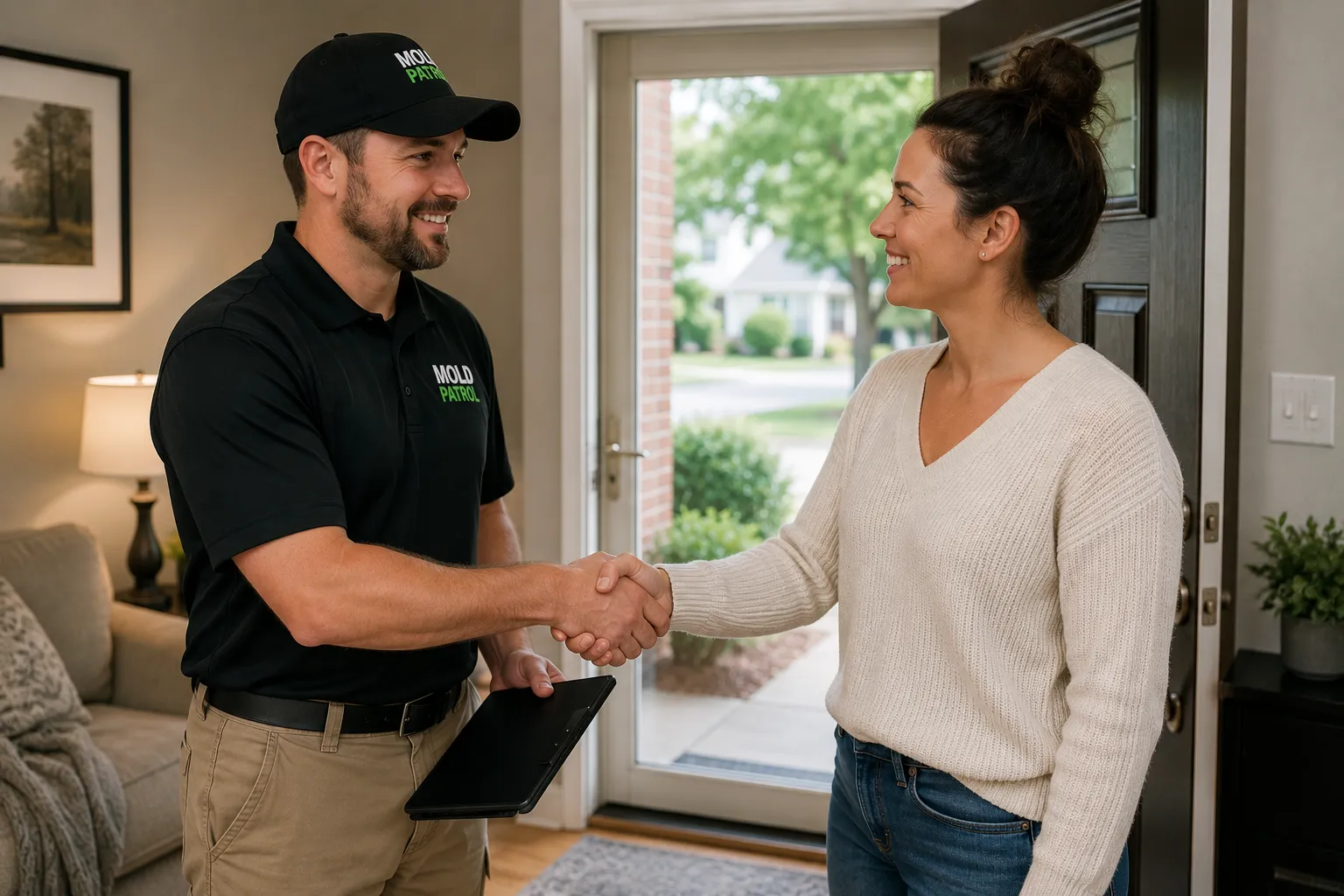
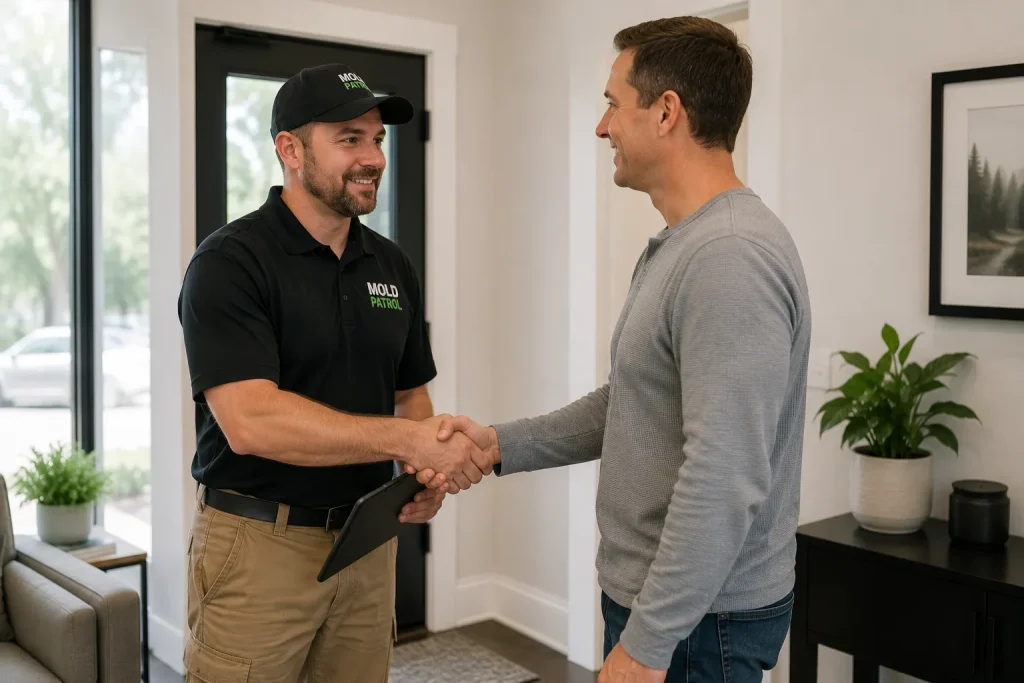
You won’t be talked down to. You won’t be buried in jargon. You won’t be pushed into a one-size-fits-all package just because it’s convenient.
Mold Patrol is built around quality over quantity, practical recommendations, and relationship-based service. We want you to understand the problem, feel confident in the plan, and know what needs to happen to reduce the chance of regrowth.
If you’re tired of mold coming back, it’s time to look at what’s feeding it.
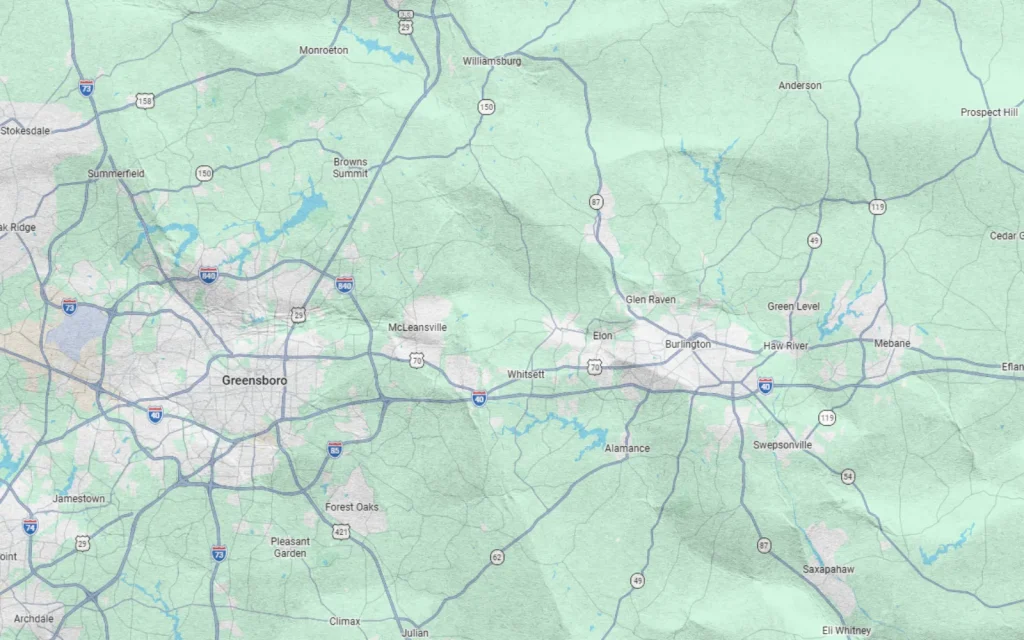
Mold Moisture Control Service Areas
Mold Patrol provides mold moisture control in Burlington, Greensboro, Alamance County, Guilford County, and nearby North Carolina communities.
If you’re looking for mold moisture control in Greensboro NC or moisture control in Burlington NC, we can help evaluate mold sources, humidity problems, crawl space moisture, basement dampness, and moisture-related indoor air concerns.
Call 0123456789 to ask about service in your area.
Mold Remediation FAQs
Schedule a Mold Moisture Control Assessment
If mold keeps coming back, odors keep returning, or moisture keeps showing up where it shouldn’t, Mold Patrol can help you figure out why.
Call 0123456789 to schedule a mold moisture control assessment.
Prefer to start online? Fill out the contact form and upload photos of visible mold, staining, crawl space conditions, damp materials, condensation, or moisture damage. We’ll help you find the next right step.
